
The Story
Why it exists.
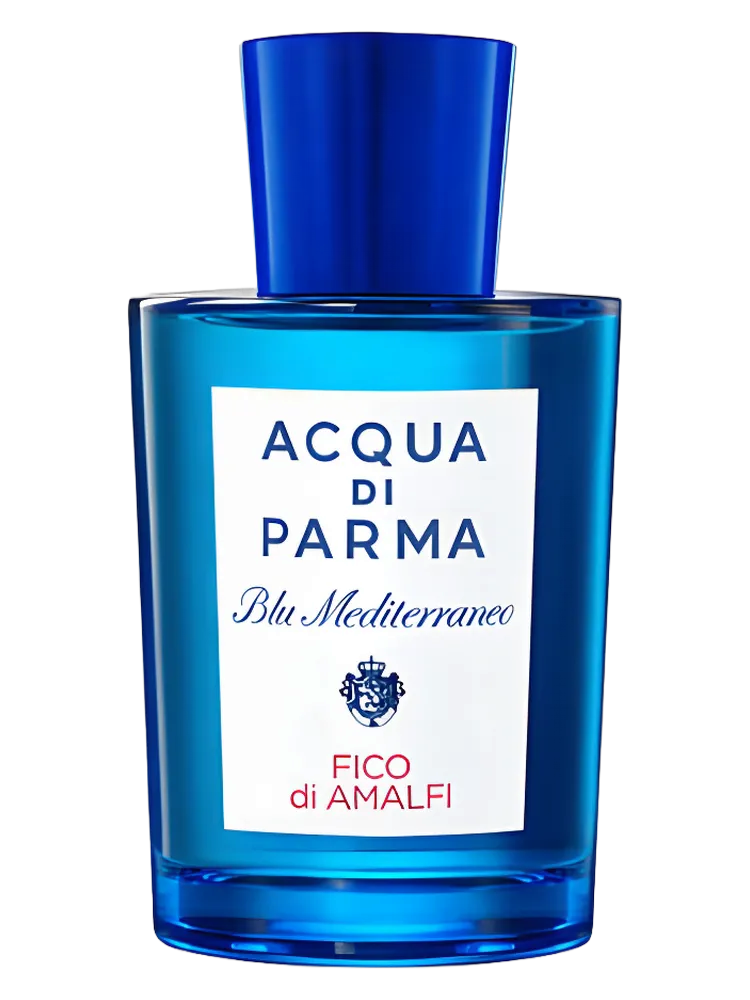
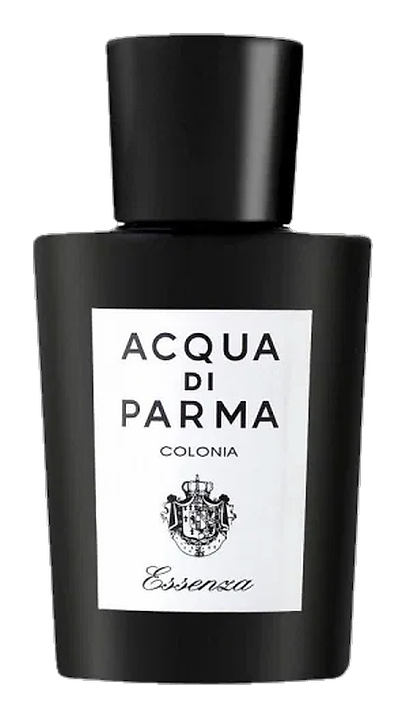
Acqua di Parma’s founding cologne, created in 1916, set a benchmark for Italian elegance that still guides the house today. In 2010, perfumer Michel Almairac was tasked with re‑imagining that legacy for modern gentlemen. He drew on the original citrus backbone, layering bright neroli and bergamot with aromatic rosemary and clove, then anchored the composition with amber‑tinged white musk. The result is a Cologne that honors the brand’s sun‑warmed heritage while speaking in a fresher, more contemporary voice.
If this were a song
Community picks
Estate
João Gilberto
The Beginning
Acqua di Parma’s founding cologne, created in 1916, set a benchmark for Italian elegance that still guides the house today. In 2010, perfumer Michel Almairac was tasked with re‑imagining that legacy for modern gentlemen. He drew on the original citrus backbone, layering bright neroli and bergamot with aromatic rosemary and clove, then anchored the composition with amber‑tinged white musk. The result is a Cologne that honors the brand’s sun‑warmed heritage while speaking in a fresher, more contemporary voice.
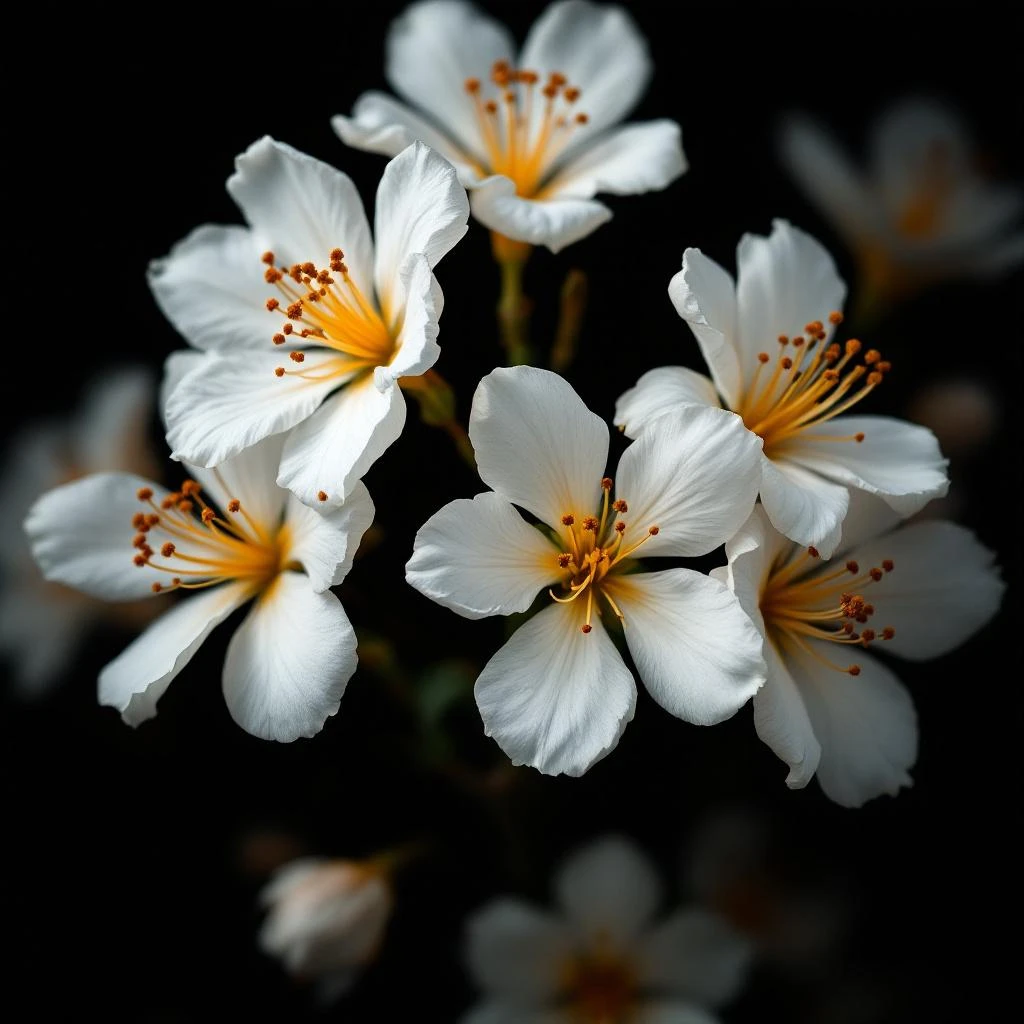
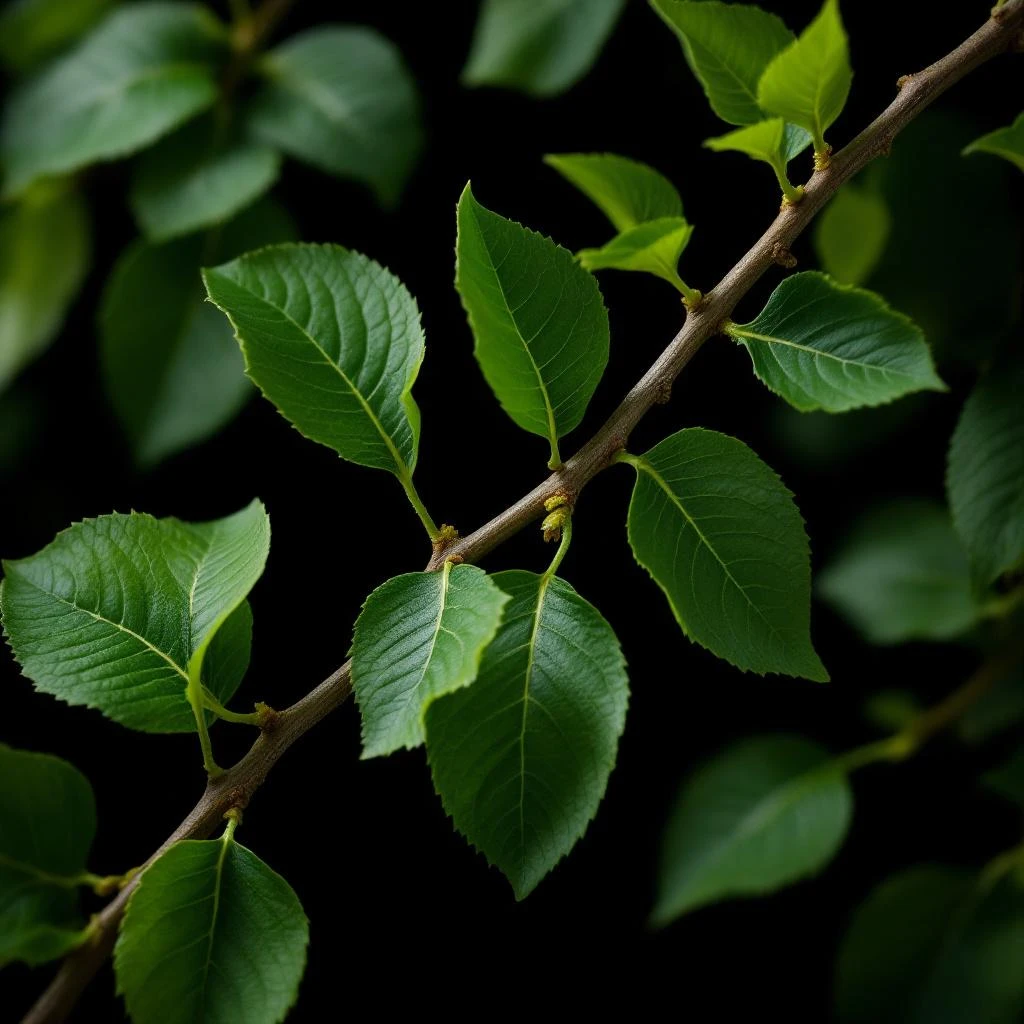
The inclusion of petitgrain and mandarin orange adds a green‑sharp edge that lifts the classic lemon‑bergamot trio, preventing the opening from feeling one‑dimensional. Rosemary and clove introduce an herbal‑spicy tension that bridges the floral heart of jasmine and lily of the valley to the earthy base. White musk and vetiver give the dry‑down a clean, slightly powdery finish, allowing the citrus to linger without fading into a typical summer spray.
The Evolution
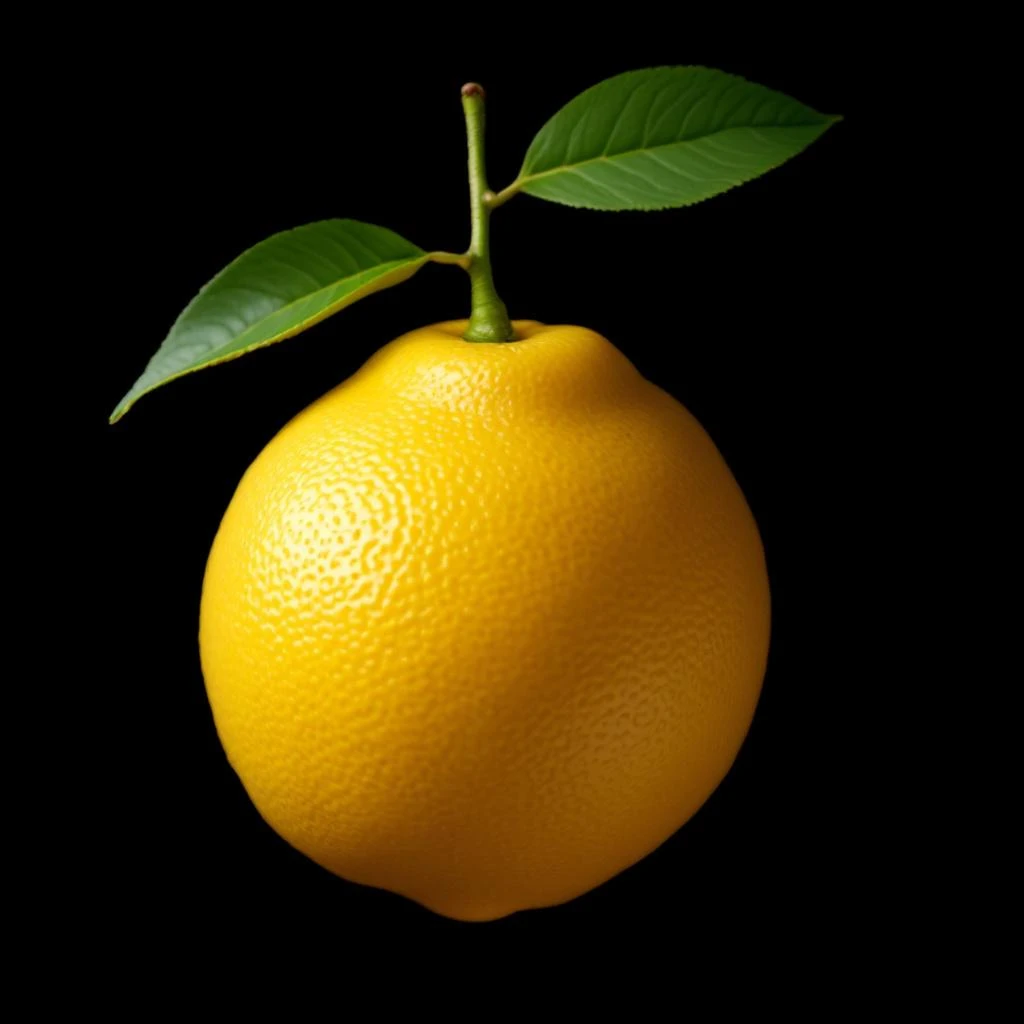
At first spray, the citrus burst of neroli, bergamot and mandarin orange erupts like a Mediterranean sunrise, instantly bright and invigorating. Within ten minutes the aromatic heart emerges; rosemary and clove mingle with jasmine and lily of the valley, creating a green‑spicy bouquet that feels like a garden brushed by a gentle sea breeze. As the composition settles after half an hour, the base notes of white musk, amber, patchouli and vetiver take hold. The amber adds a soft warmth, while the vetiver and patchouli ground the scent in an understated earthiness. The lingering musk leaves a clean, slightly powdery trail that persists for six to eight hours, fading only as the day cools, leaving a faint woody echo that whispers of the original Colonia heritage.
Cultural Impact
Since its 2010 debut, Colonia Essenza has become a go‑to for gentlemen who value heritage with a fresh twist. Its citrus‑aromatic profile is often cited as the modern answer to the original 1916 Colonia, earning a spot in upscale hotel bars and summer garden parties where understated sophistication is prized.
The House
Italy · Est. 1916
Baron Carlo Magnani created Acqua di Parma in 1916 as his own signature scent. What began as one fragrance has become synonymous with Italian sophistication. Colonia, the house's founding creation, holds the distinction of being the first true Italian Eau de Cologne, and it remains unchanged today. Over a century later, the house still captures the essence of la dolce vita, pairing Mediterranean brightness with an understated luxury that appeals to those who prefer refinement to ostentation.
If this were a song
Community picks
Imagine a light acoustic guitar strumming at sunrise, a subtle violin entering as herbs stir, and a low piano chord grounding the mood, mirroring the citrus spark, aromatic heart, and warm musk of the scent.
Estate
João Gilberto