


The Story
Why it exists.
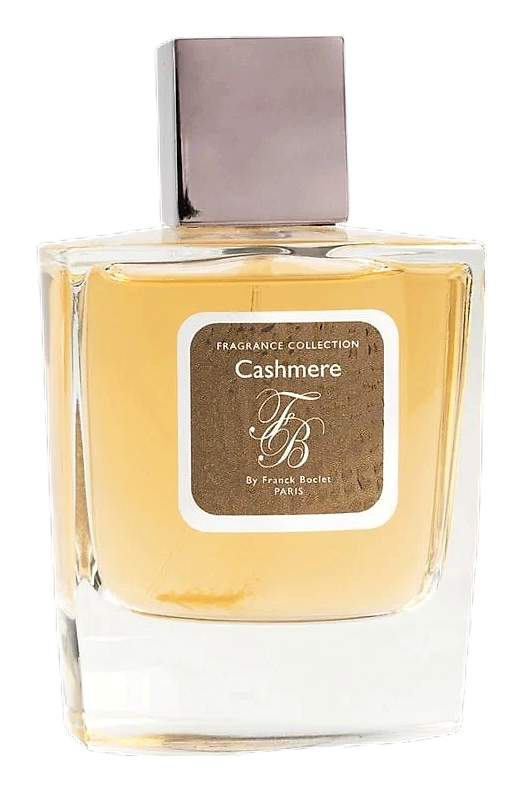
Cashmere takes its name from the idea itself, the base noteCashmere Wood derived from the same textile concept the fragrance is built to evoke. While other Franck Boclet releases lean into smoke, oud, or statement animalic, this one works with softer material. The brand's fashion-house roots show through: a garment you can wear, a texture that wraps. Cashmere was added to the line in 2017, joining a collection known for refusal rather than restraint.
If this were a song
Community picks
Ask Me
Gregory Porter
The Beginning
Cashmere takes its name from the idea itself, the base noteCashmere Wood derived from the same textile concept the fragrance is built to evoke. While other Franck Boclet releases lean into smoke, oud, or statement animalic, this one works with softer material. The brand's fashion-house roots show through: a garment you can wear, a texture that wraps. Cashmere was added to the line in 2017, joining a collection known for refusal rather than restraint.
What makes the structure unusual is how the leather reads in the heart, not the cold, stacked leather of a briefcase but something aromatic, almost savory, like the smell of spices left too long in warm wood. The cashmere wood in the base is the conceptual anchor. It doesn't smell like the knitted textile. It smells like what cashmere feels like: close, warm, slightly animal.
The Evolution
The opening arrives bright, grapefruit and pink pepper commanding immediate attention. Thirty minutes in, the citrus loosens and the heart takes over: cinnamon and cloves, then leather asserting itself with a quiet weight. Two to three hours in, the warm phase is everything. That's where most wearers live in this fragrance. The drydown shifts to textured wood: cashmere wood, cedarwood, vetiver against amber and benzoin. Benzoin carries the longest, a vanillic resin that lingers close to the skin for hours.
Cultural Impact
Cashmere by Franck Boclet arrived in 2017 as part of a broader movement in niche perfumery toward wearable warmth rather than performative sillage. The cashmere-wood note itself represented a departure from conventional woods used in mainstream fragrance, cashmere as an olfactory concept rather than a material. At a time when many releases chased animalic extremes or longevity projection theater, this composition chose intimate projection and subtle texture, reflecting shifts in how fragrance wearers valued presence over performance. The year 2017 sat squarely in the warm spice boom, many houses competing for the boldest interpretation of that trend. Cashmere's restraint read as a counterargument, proving that warmth and complexity did not require force.
The House
France
Franck Boclet is a Paris-based fashion designer who expanded into niche perfumery, creating fragrances with a pronounced masculine sensibility while embracing fluid, unconventional construction. His brand positions itself at the intersection of fashion and fragrance artistry, with each scent carrying the strong character one expects from a Parisian luxury house. Operating in the niche fragrance segment since the early 2010s, Boclet has built a collection that spans smoky, oud-forward compositions alongside fresher explorations, offering wearers fragrances that challenge conventional gender coding. The brand has caught attention among fragrance enthusiasts for its uncompromising approach to scent creation and its commitment to treating each fragrance as an extension of itswearable collections.
If this were a song
Community picks
Cashmere reads like a late-evening conversation, unhurried, warm, with something textured hiding underneath. The composition has that same quality as a smooth jazz standard: confident enough to hold its own in any room, but never competing for attention. Benzoin in the drydown feels like an exhale.
Ask Me
Gregory Porter