

The Story
Why it exists.
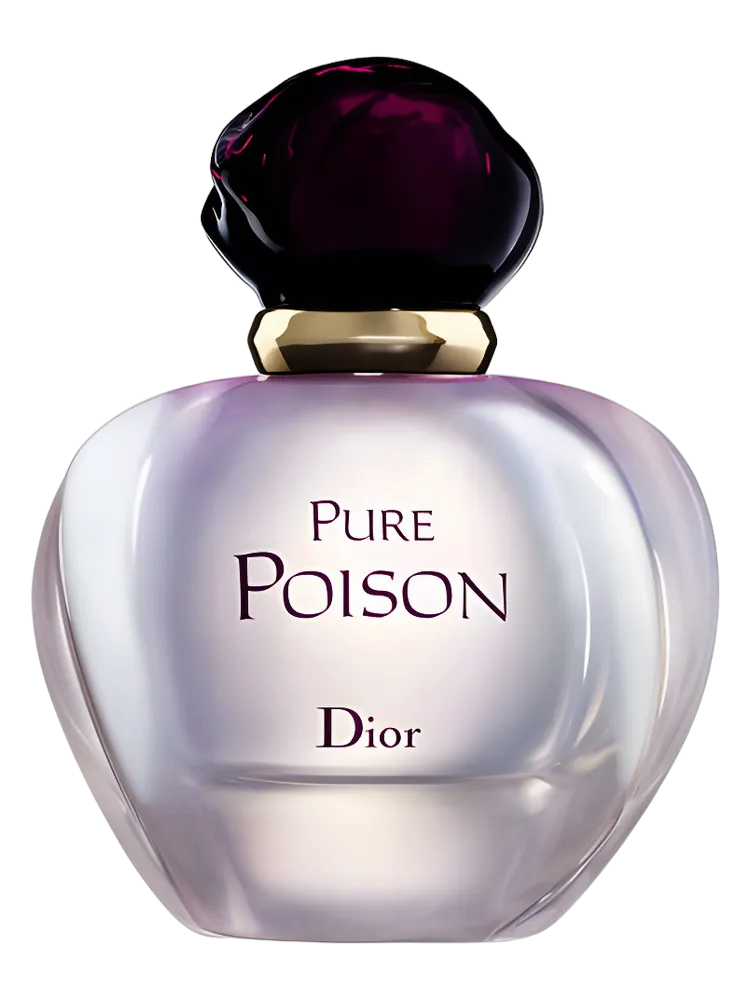
In 2004, Carlos Benaïm created Pure Poison for Dior with a clear intention: white flowers pushed past their polite limits. The earlier Poison flankers had established a house signature of opulent, almost overwhelming florals. Here, the approach was different, luminous on the surface, but with depth that shifts. Jasmine, gardenia, neroli, orange blossom, each one chosen not for delicacy but for presence. The name is the concept: purity as a form of seduction, the quietest things often carrying the most force.
If this were a song
Community picks
Bloom
The Acid
The Beginning
In 2004, Carlos Benaïm created Pure Poison for Dior with a clear intention: white flowers pushed past their polite limits. The earlier Poison flankers had established a house signature of opulent, almost overwhelming florals. Here, the approach was different, luminous on the surface, but with depth that shifts. Jasmine, gardenia, neroli, orange blossom, each one chosen not for delicacy but for presence. The name is the concept: purity as a form of seduction, the quietest things often carrying the most force.
What makes Pure Poison work is the overdose itself. Each white floral note arrives in generous quantity, jasmine layered over gardenia, orange blossom threading through, neroli adding a bitter-green counterpoint to all that cream. The combination of these materials creates an effect that reads as both clean and dangerously warm, a quality sometimes called indolic when the flowers tip toward their animalic roots. Sandalwood and white amber in the base don't soften this, they deepen it, adding warmth that radiates from the skin rather than sitting politely on top. This is white floral composition that doesn't apologize for what it is.
The Evolution
The opening arrives bright and tart, bergamot and Sicilian mandarin cutting through before the white florals take over. That citrus flash lasts maybe twenty minutes, a brief clearing before the bloom. Then jasmine and gardenia arrive together, full and warm, joined by neroli and orange blossom. The heart is where this fragrance earns its name, an almost overwhelming white floral presence that shifts from pretty to something with weight. As the hours pass, the heart doesn't so much fade as evolve. Sandalwood and white amber rise to meet it, cedar adding structure, white musk settling into the skin like warmth that doesn't fade. On fabric, the sandalwood lingers into the next day, that quiet, powdery residue that makes you wonder what you were wearing.
Cultural Impact
Pure Poison arrived in 2004 as part of Dior's Poison lineage, positioning white florals as something with an edge. Where earlier Dior florals leaned into tuberose opulence, Pure Poison chose jasmine and gardenia, materials that read as both pure and slightly dangerous. The fragrance found its audience among those who wanted white florals that made a statement rather than blending into the background.
The House
France · Est. 1946
Christian Dior launched his first fragrance, Miss Dior, the same year he showed the revolutionary New Look in 1947. The house has since built one of the most comprehensive luxury fragrance portfolios in existence, from the masculine reinvention of Sauvage to the couture exclusivity of La Collection Privée. Under perfumer François Demachy, Dior balances mainstream appeal with genuine artistry.
If this were a song
Community picks
Pure Poison sounds like white florals at midnight, luminous and slightly dangerous. The bergamot opening reads as a bright chord, then the jasmine and gardenia bloom into something warmer, almost indolic. Sandalwood in the base grounds everything with quiet confidence. This is the soundtrack for someone who walks in and lets the room adjust.
Bloom
The Acid