


The Story
Why it exists.
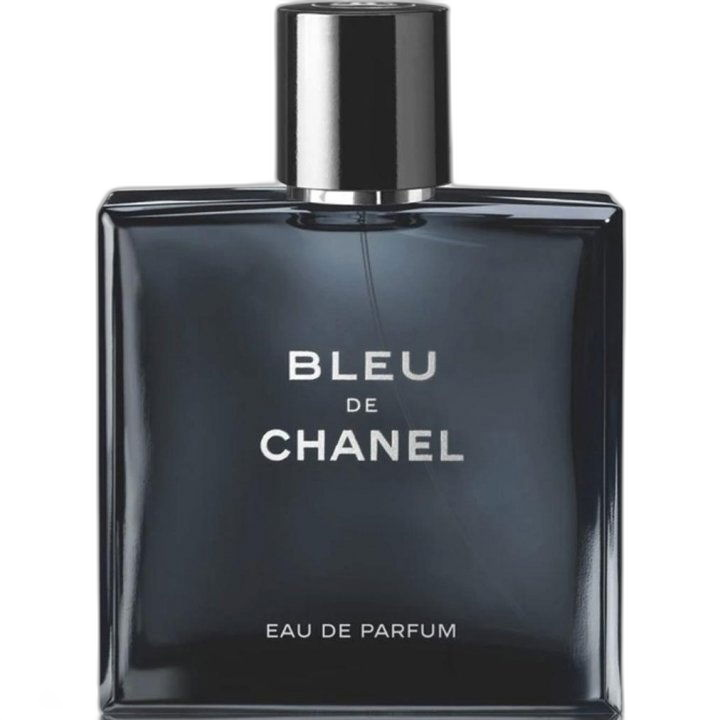
Bleu de Chanel reflects a specific creative impulse from Jacques Polge: a fragrance that could open bright and arrive somewhere warm and lasting by evening. The name ties it to the Chanel men's collection, itself named for the deep blue associated with the house's approach to modern style. Polge was drawn to aromatic woods and real depth, creating a citrus opening that wasn't afraid of the drydown. The fragrance balances freshness with structure, finding a middle ground that feels intentional rather than compromised. There's a confidence in how it moves from first spray to final moments, a sense that every layer has been considered. It doesn't shout or perform; it simply holds its ground, present without being demanding.
If this were a song
Community picks
Intro
M83
The Beginning
Bleu de Chanel reflects a specific creative impulse from Jacques Polge: a fragrance that could open bright and arrive somewhere warm and lasting by evening. The name ties it to the Chanel men's collection, itself named for the deep blue associated with the house's approach to modern style. Polge was drawn to aromatic woods and real depth, creating a citrus opening that wasn't afraid of the drydown. The fragrance balances freshness with structure, finding a middle ground that feels intentional rather than compromised. There's a confidence in how it moves from first spray to final moments, a sense that every layer has been considered. It doesn't shout or perform; it simply holds its ground, present without being demanding.
What distinguishes this fragrance is the way the heart layer develops. Where many compositions allow their middle notes to dissolve quickly into the base, Bleu de Chanel maintains a presence that invites continued attention. Ginger and nutmeg offer clean, layered spice that keeps the composition from feeling flat, adding dimension without overwhelming. Jasmine integrates quietly, bringing a subtle floral quality that makes the woody notes feel less austere and more approachable.
The Evolution
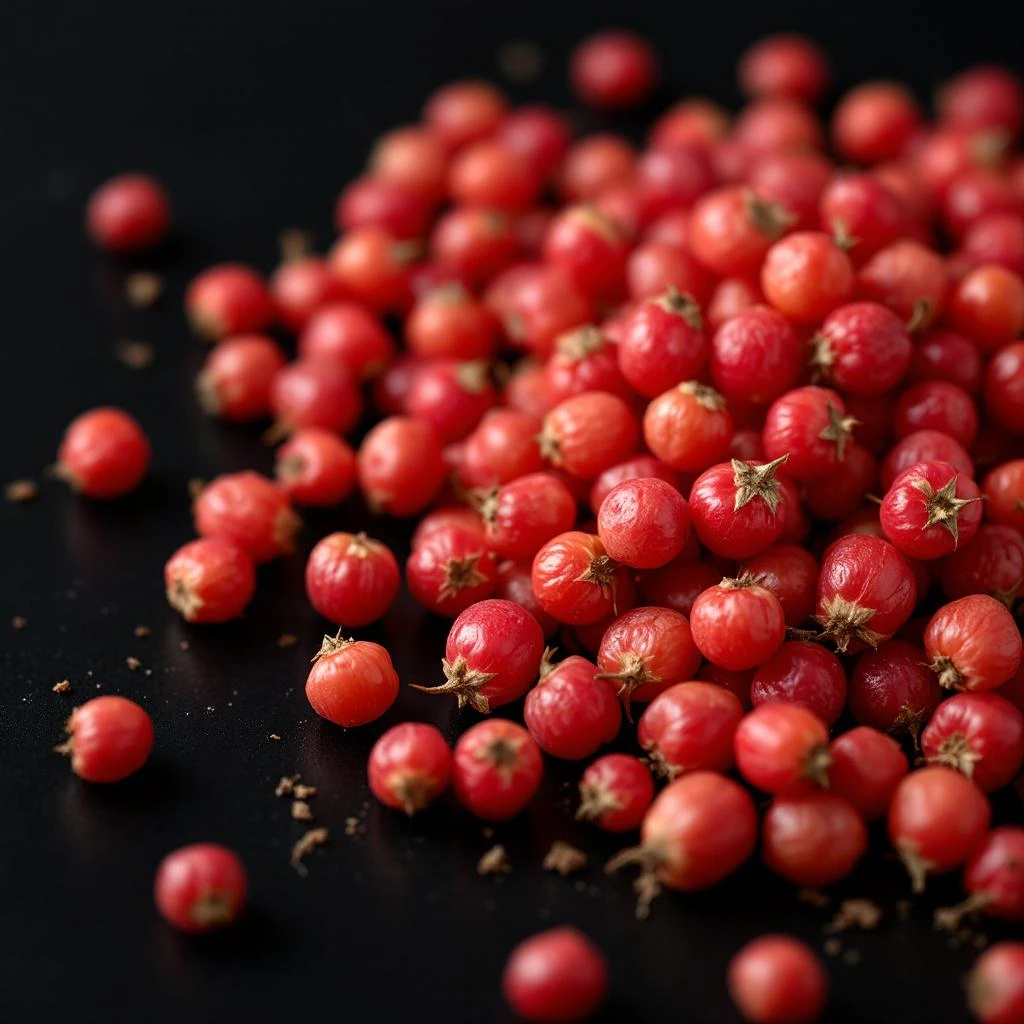
The opening hits hard and fast. Grapefruit and lemon arrive together, sharp and bright, almost clinical in their precision. Pink pepper adds a slight bite that keeps it from feeling sterile. As the top notes begin to settle, the fragrance shifts toward warmth. The heart is where this fragrance reveals its depth. Ginger stays present, lending a clean spice that prevents the composition from going flat. Jasmine appears as a quiet dimension that makes the woody notes feel less austere. Around the later stages, the base begins its long exit. Cedar and sandalwood sit close to the skin for hours. Vetiver adds a slight mineral edge. Incense stays until the very end, not loud, but present, the last thing to leave.
Cultural Impact
Bleu de Chanel arrived with a clear point of view: that men's fragrance could balance freshness and depth without compromise. At a moment when the market leaned heavily into aquatic compounds, this represented a return to woody structure and real materials. The fragrance quickly became recognized as something different, a scent that asked something of the wearer rather than simply performing for the room. It developed a reputation as a signature choice for those who appreciated nuance over spectacle. The fragrance has been discussed extensively, with conversation about how its composition has been perceived across different concentrations.
The House
France · Est. 1910
The house that gave the world N°5 remains the definitive name in luxury fragrance. Founded by Gabrielle "Coco" Chanel, its perfume division pioneered the use of aldehydes and abstract composition, forever separating modern perfumery from the purely floral tradition. From Les Exclusifs to the iconic numbered line, Chanel represents the intersection of haute couture and olfactory art.
If this were a song
Community picks
The opening moments of this fragrance feel like a window opening in a quiet room, cold air arriving fast, then settling. The track should carry that same sense of arrival and retreat, a moment of clarity before warmth sets in. By the time the drydown arrives, the music should feel like it's coming from the walls, present without announcing itself. Think: the space between a decision and its consequence.
Intro
M83