



The Story
Why it exists.
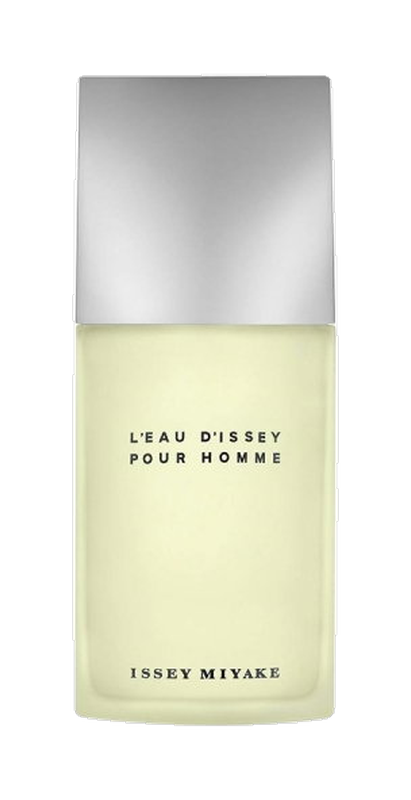
The original L'Eau d'Issey Pour Homme arrived in 1994, created by Jacques Cavallier Belletrud for Issey Miyake. Water became a central inspiration for this scent, drawing from the sea's natural character and the way it captures light. The yuzu was a key ingredient that brought bright citrus to the opening, a tart and vibrant note that set the tone for everything that followed. There's a mineral quality beneath the surface that grounds the fragrance, while aromatic herbs and marine notes blend to create an impression of cool, clean air. The yuzu's tartness interplays with aromatic herbs, creating a bright opening that captures the scent's maritime essence.
If this were a song
Community picks
Oceanic
Yann Tiersen
The Beginning
The original L'Eau d'Issey Pour Homme arrived in 1994, created by Jacques Cavallier Belletrud for Issey Miyake. Water became a central inspiration for this scent, drawing from the sea's natural character and the way it captures light. The yuzu was a key ingredient that brought bright citrus to the opening, a tart and vibrant note that set the tone for everything that followed. There's a mineral quality beneath the surface that grounds the fragrance, while aromatic herbs and marine notes blend to create an impression of cool, clean air. The yuzu's tartness interplays with aromatic herbs, creating a bright opening that captures the scent's maritime essence.
Yuzu is the key. That tart Japanese citrus fruit most Western audiences had never encountered in 1994. Cavallier didn't treat it as a supporting player, he built the opening structure around it, letting the yuzu anchor everything that followed. Below that, calone does the work that defines this fragrance's character: a synthetic marine compound that smells like actual sea air rather than soapy synthetic recreation. This was novel in 1994, when aquatic fragrances were just beginning to enter the mainstream. The combination of yuzu's bright citrus with aquatic calone and a full aromatic heart, sage, tarragon, coriander, gives it a cool, mineral quality that never reads clinical.
The Evolution
The top is bright and immediate. Yuzu and bergamot announce themselves, but the calone is already there, holding everything to a mineral baseline. Two hours in, the heart takes over. Blue lotus and lily-of-the-valley introduce something floral, unexpected in an aquatic, and warm spices kick in beneath it, nutmeg and saffron threading through. The transition isn't gradual. It's a hand-off. The sea note steps back and something denser arrives. By the fourth hour, the base owns it. Tahitian vetiver, cedar, tobacco. Still aquatic in memory, but the character has shifted entirely. The drydown lasts close to ten hours on most skin types. On fabric, it lingers into the next day, that mineral-vetiver signature still readable in a shirt collar worn twelve hours before.
Cultural Impact
L'Eau d'Issey Pour Homme has earned a devoted following, respected by enthusiasts as a landmark aquatic fragrance. Enthusiasts recognize its bright, mineral character that sets it apart from newer aquatic releases. The structure holds through the full wearing, not just the opening. This fragrance established a template that many subsequent aquatics would follow, one built on bright citrus, mineral depth, and woody lasting power.
The House
Japan · Est. 1970
Issey Miyake, the Japanese designer who built his Tokyo studio in 1970, reshaped fashion with pleated textiles and minimalist construction. His fragrance arm, launched in 1992 with L'Eau d'Issey, translated that same reductionist vision into scent. Water became the guiding metaphor. The original women's fragrance, composed by Jacques Cavallier Belletrud, drew its identity from purity and stillness, offering a counterpoint to the richness of the decade before. An international best-seller followed, winning a Fragrance Foundation FiFi award in 1993. The men's version arrived two years later. Miyake's scent portfolio eventually grew to more than a hundred references, yet the house has never abandoned the elemental clarity that made the name.
If this were a song
Community picks
Salt air and yuzu. The quiet of an ocean morning, not sunset, not party, the hour before anyone else arrives. Minimalist but warm. That mineral-vetiver drydown sounds like the last track on an album you didn't want to end.
Oceanic
Yann Tiersen