The Story
Why it exists.
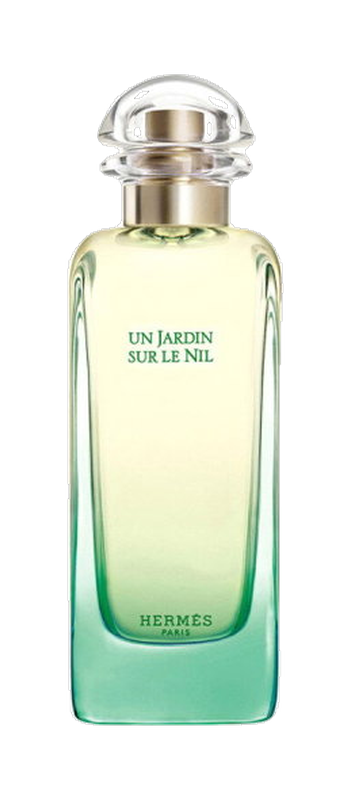
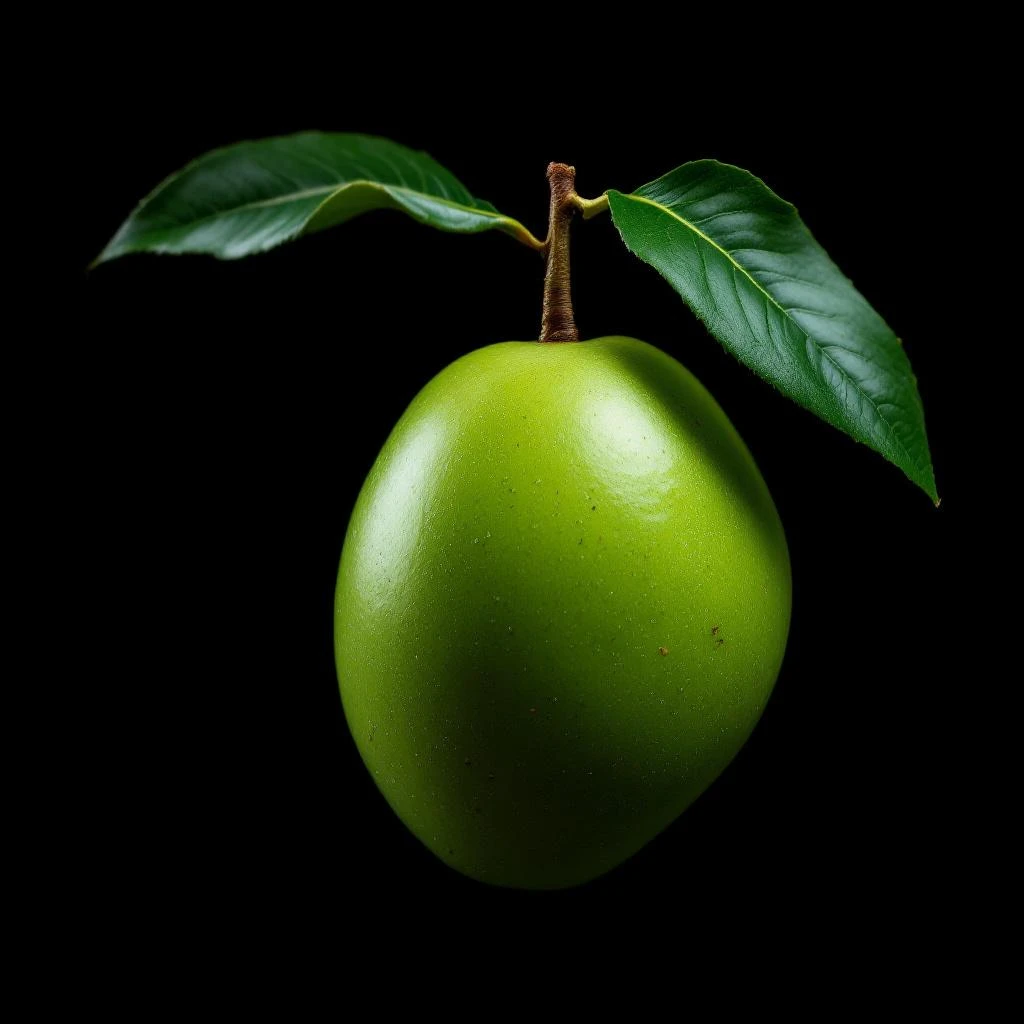
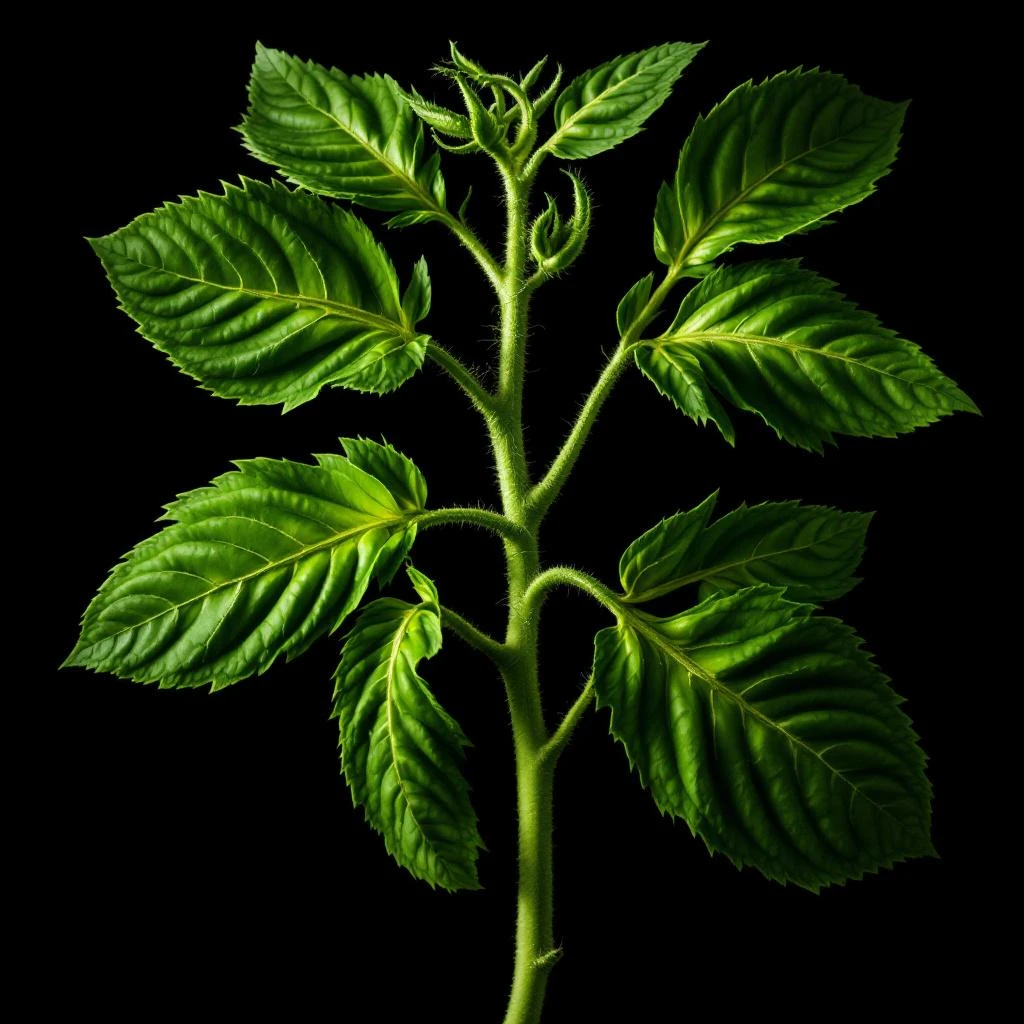
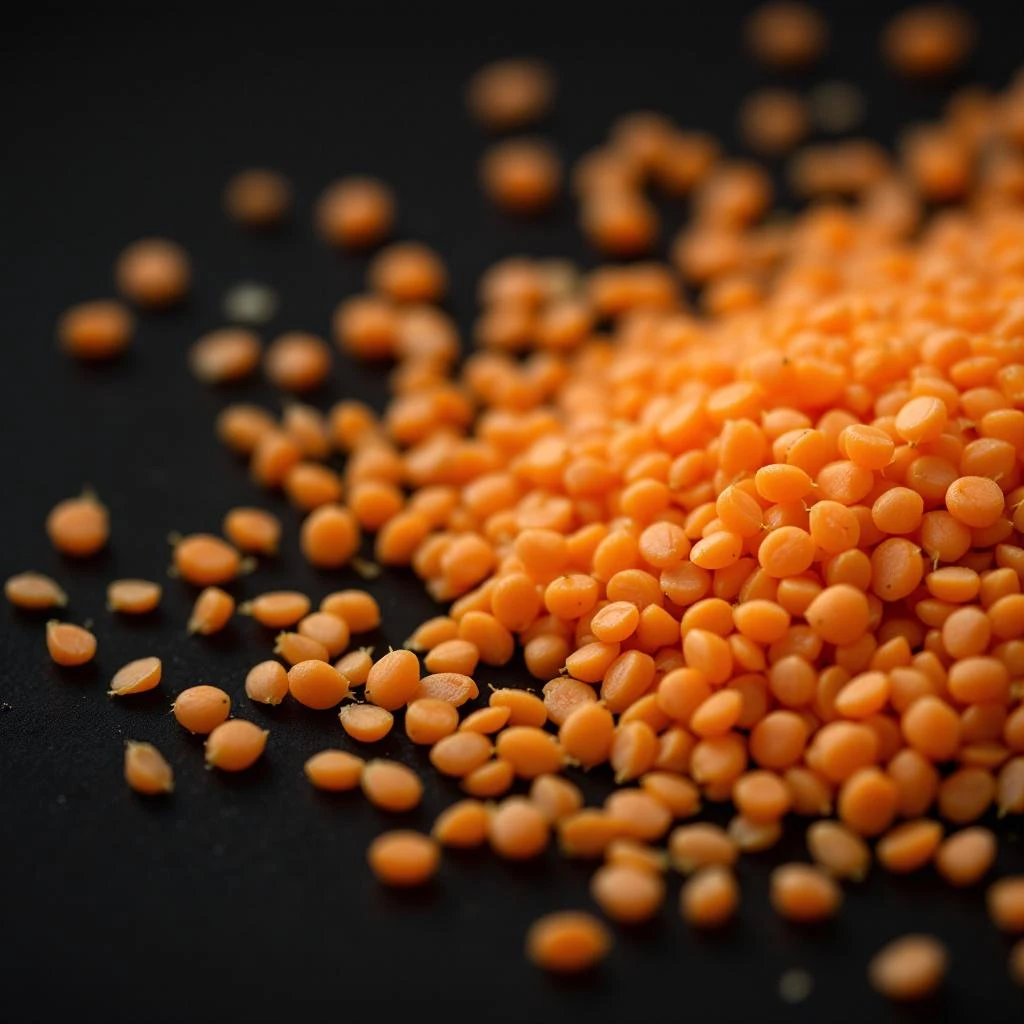
Un Jardin sur le Nil arrived in 2005 as the second chapter in Hermès's Jardin series. Jean-Claude Ellena conceived the entire collection as impressionistic travel journals, each fragrance a place visited rather than a mood described. For this chapter, Ellena turned his attention to the garden islands on the Nile at Aswan, Egypt's southern gateway where the river widens and palms line the banks. The brief was simple: translate the sensation of floating past lush green gardens on a warm afternoon. Ellena chose green mango as the anchor because it captured something most Western noses wouldn't expect. Unripe mango smells different from the ripe fruit. It smells green, tart, almost vegetable. Tomato seed and carrot seed reinforced that unexpected savory quality.
If this were a song
Community picks
Blue Dreams
S社会主义核心价值观
The Beginning
Un Jardin sur le Nil arrived in 2005 as the second chapter in Hermès's Jardin series. Jean-Claude Ellena conceived the entire collection as impressionistic travel journals, each fragrance a place visited rather than a mood described. For this chapter, Ellena turned his attention to the garden islands on the Nile at Aswan, Egypt's southern gateway where the river widens and palms line the banks. The brief was simple: translate the sensation of floating past lush green gardens on a warm afternoon. Ellena chose green mango as the anchor because it captured something most Western noses wouldn't expect. Unripe mango smells different from the ripe fruit. It smells green, tart, almost vegetable. Tomato seed and carrot seed reinforced that unexpected savory quality.
The combination of green mango with carrot seed is unusual in perfumery. Neither is common in the Western fragrance lexicon. Carrot seed brings a dry, slightly bitter earthiness that grounds the brighter top notes. The heart notes reveal Ellena's mastery of restraint. Lotus and reed together create an aquatic effect without marine notes, a watery transparency that feels fresh without smelling like the ocean. Orange blossom adds a bitter-floral dimension that prevents the heart from becoming too soft. This is green at its most sophisticated, neither sharp nor overwhelming, just precisely itself.
The Evolution
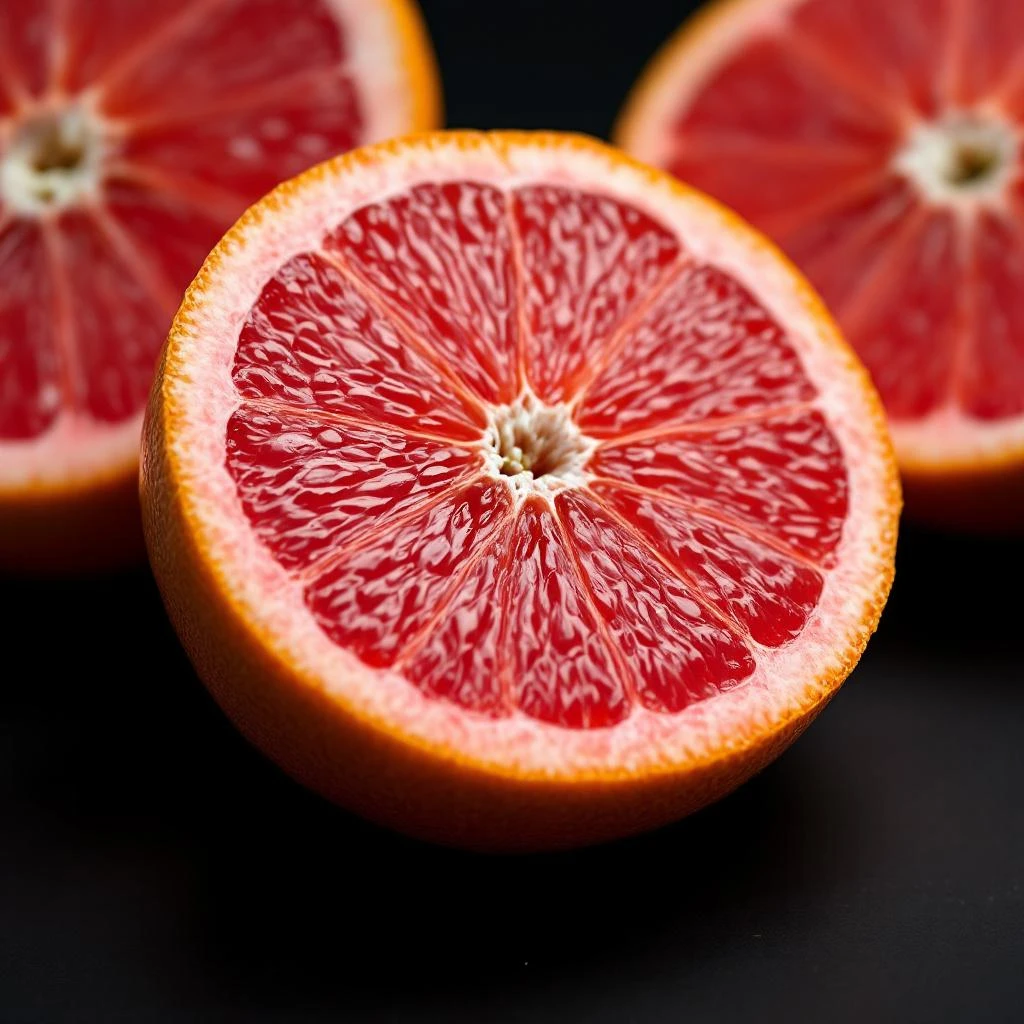
The opening lasts longer than expected. Grapefruit fades within twenty minutes, but green mango holds on, joined by carrot seed's earthiness for the next hour. Around the thirty-minute mark, tomato recedes and lotus emerges. This is where most people either fall in love or lose interest. The transition from tart fruit to watery floral can feel jarring if you're not prepared for it. By hour two, the florals have taken over. Hiacynth and peony create a soft, almost powdery impression. The drydown begins around hour three. Iris appears as the florals fade, bringing a delicate powderiness that blends with musk. Incense arrives last, barely perceptible, more impression than note. On clothing, this fragrance lasts longer. Eight hours is possible. On skin, expect six to seven. The next morning, a faint musk remains.
Cultural Impact
The Jardin collection redefined what a designer fragrance could be. Instead of chasing trends, Ellena created olfactory narratives, specific places rendered in scent. Un Jardin sur le Nil introduced the concept to American audiences, arriving just as green and natural fragrances were gaining popularity. It influenced a generation of perfumers to consider unconventional materials (green mango, carrot seed) and to think about fragrance as storytelling rather than pyramid-building. The success of this fragrance established Hermès as a serious fragrance house, not just a fashion brand with candles.
The House
France · Est. 1837
Hermès fragrances are the olfactory equivalent of a perfectly crafted leather bag or a fine silk scarf. They're not about loud statements but about quiet confidence, telling stories inspired by nature, poetry, and the house's equestrian heritage. This is perfumery as an art form, defined by intellectual elegance and exceptional materials.
The Creator
Jean‑Claude EllenaHermès began as a harness workshop in Paris in 1837, founded by Thierry Hermès. The house expanded into leather goods, then silk, then ready-to-wear. Fragrance arrived later, in 1951 with Amazone. But the perfumery department as we know it began in 2004 with Jean-Claude Ellena as in-house perfumer. Ellena transformed Hermès fragrance into an art form, creating the Jardin collection as impressionistic travelogues. Each scent captures a specific place and moment, rendered in Ellena's signature minimalist style.
If this were a song
Community picks
Like floating down a river at dusk. The opening has the cool clarity of water meeting stone, the heart breathes slow like someone watching the sunset from a terrace. Not music that demands attention. Music that makes you forget you were listening.
Blue Dreams
S社会主义核心价值观