


The Heritage
The Story of Hermès
Hermès fragrances are the olfactory equivalent of a perfectly crafted leather bag or a fine silk scarf. They're not about loud statements but about quiet confidence, telling stories inspired by nature, poetry, and the house's equestrian heritage. This is perfumery as an art form, defined by intellectual elegance and exceptional materials.
Heritage
Hermès began its story not with perfume, but with horse harnesses. In 1837, Thierry Hermès opened a workshop in Paris, crafting exquisite leather goods for European nobility. For over a century, the house built its reputation on unparalleled craftsmanship in leather, eventually expanding into iconic handbags, silk scarves, and ready-to-wear. The move into fragrance was a natural extension of this world of luxury. The first scent, Eau d'Hermès, arrived in 1951, composed by the legendary perfumer Edmond Roudnitska. It was a bold, animalic leather scent that set the tone for a house that would never follow trends. Ten years later, in 1961, Calèche launched as the first fragrance for women, a beautiful floral aldehyde that remains a classic. But the modern era of Hermès parfums truly began in 2004 when the house appointed Jean-Claude Ellena as its first-ever exclusive in-house perfumer. This move solidified its commitment to fragrance as a central pillar of the brand, giving one artist the freedom to create a coherent and distinct olfactory identity.
Craftsmanship
Having a dedicated in-house perfumer is the cornerstone of Hermès's process. It's a rare commitment in the modern industry that allows for total creative control and a singular vision. The perfumer works from their own laboratory, often located in the historic flagship store on Rue du Faubourg Saint-Honoré in Paris. They are given the time and resources to source the finest raw materials from around the world, but they're equally masters of using synthetic molecules to achieve a precise artistic effect. The creation of a scent is a slow, deliberate process of refinement. A fragrance is ready only when the perfumer decides it is, not when a marketing calendar dictates. This patient, artist-led approach ensures that every bottle contains a scent that meets the house's exacting standards of quality and originality.
Design Language
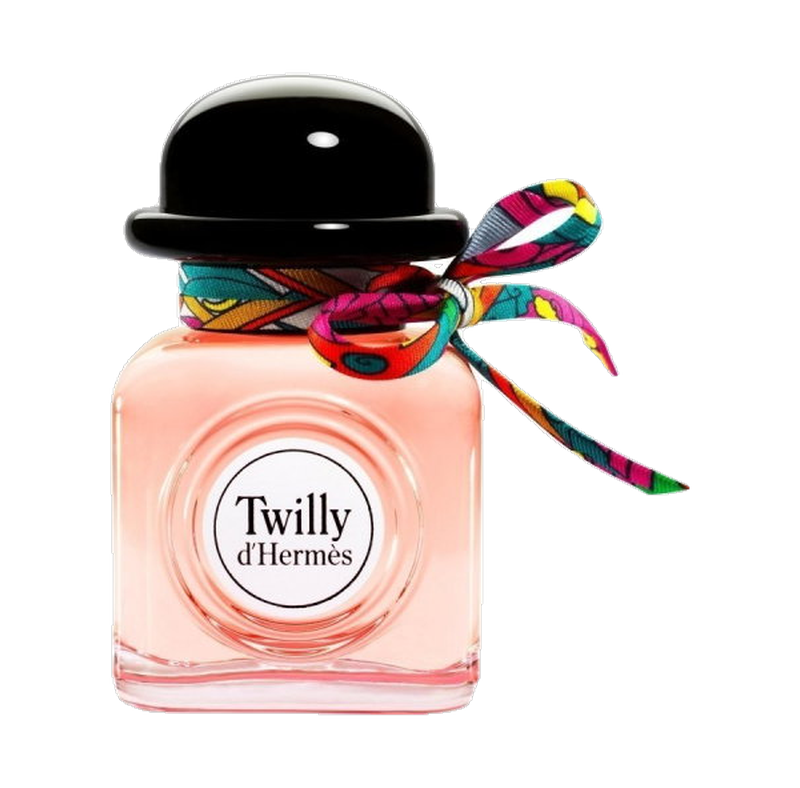
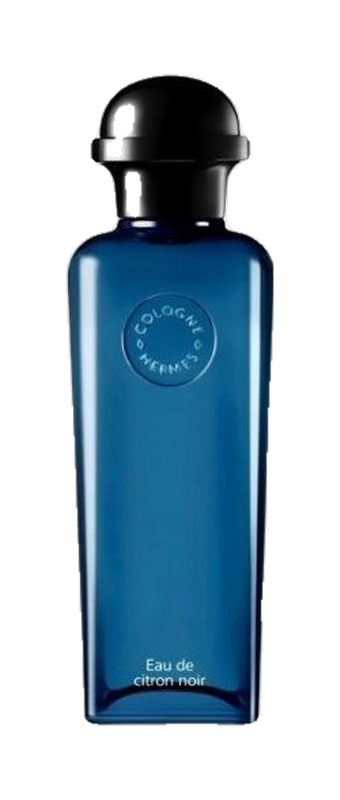
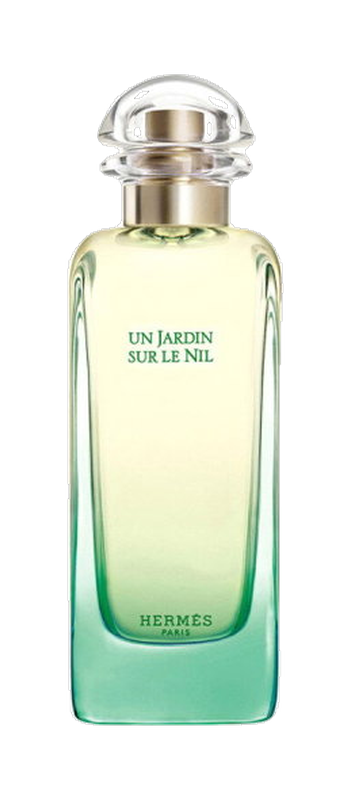
The visual language of Hermès fragrance is one of sober, lasting luxury. The bottles often feel substantial in the hand, designed as beautiful objects meant to be kept. The classic Calèche bottle, for example, evokes the shape of a carriage lantern, a direct nod to the brand's equestrian origins. The Terre d'Hermès bottle is a study in solid geometry, with an 'H' shape cut into its base. For the more exclusive Hermessence collection, the bottles are sleek and uniform, distinguished by beautiful leather-wrapped caps that can be interchanged. Of course, no discussion of Hermès's aesthetic is complete without mentioning the iconic orange box. First used for packaging during World War II due to a shortage of other colors, the vibrant orange has become a globally recognized symbol of the brand. Every fragrance is presented in this signature packaging, making the experience of unboxing a Hermès scent a small ceremony in itself.
Philosophy
The guiding principle at Hermès is creative freedom. The in-house perfumer is not given a marketing brief but rather a theme, a story, or sometimes, just a single word. They are encouraged to create without the pressure of market trends or focus groups. This results in perfumes that are authentic and personal. Jean-Claude Ellena's tenure established a philosophy of minimalism and transparency, creating scents he described as 'olfactory watercolours' that suggest rather than demand attention. His successor, Christine Nagel, continues this tradition of artistic perfumery, though her creations often have a richer, more textural quality, focusing on the sensuality of the raw materials themselves. The goal is always to create a perfume with a point of view, one that feels both timeless and completely modern.
Key Milestones
1837
Thierry Hermès establishes a harness-making workshop in Paris.
1951
The house launches its first perfume, Eau d'Hermès, created by Edmond Roudnitska.
1961
Calèche, the first women's fragrance for the house, is introduced.
2004
Jean-Claude Ellena is appointed the first exclusive, in-house perfumer for Hermès.
2006
Terre d'Hermès launches, quickly becoming a modern masculine classic and a global bestseller.
2016
Christine Nagel succeeds Jean-Claude Ellena as the director of creation and olfactory heritage for Hermès Parfums.
At a Glance
Brand profile snapshot
Origin
France
Founded
1837
Heritage
189
Years active
Collection
4
Fragrances released
Avg Rating
3.7
Community sentiment