

The Story
Why it exists.
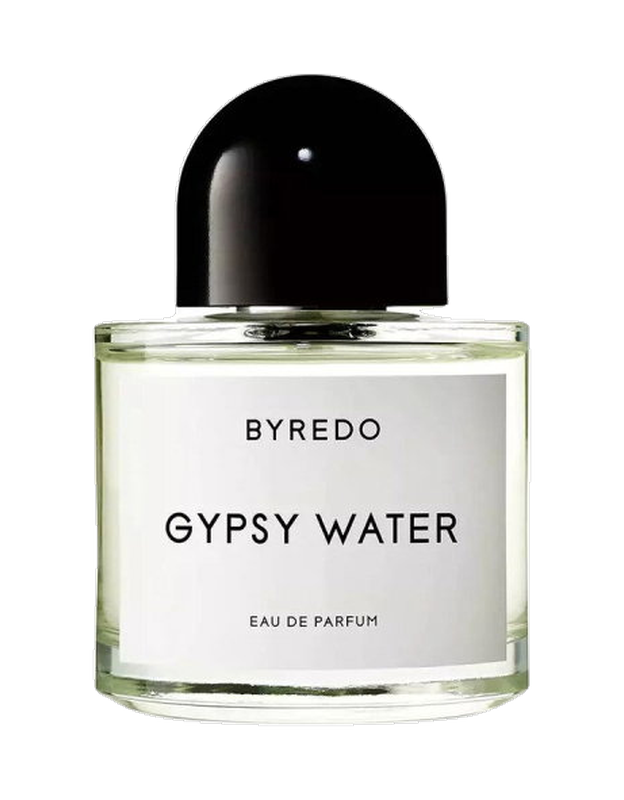
Gypsy Water began with Ben Gorham's fascination with Romani culture. Not the stereotype, not the caricature, but the music, the gatherings around fires, the rituals of impermanence. Byredo released it in 2008, working with perfumer Jérôme Epinette. The name itself sparked conversation and controversy in equal measure. But the fragrance? It's a genuine attempt to translate something ephemeral into something you can wear.
If this were a song
Community picks
Foe
Destroyer
The Beginning
Gypsy Water began with Ben Gorham's fascination with Romani culture. Not the stereotype, not the caricature, but the music, the gatherings around fires, the rituals of impermanence. Byredo released it in 2008, working with perfumer Jérôme Epinette. The name itself sparked conversation and controversy in equal measure. But the fragrance? It's a genuine attempt to translate something ephemeral into something you can wear.
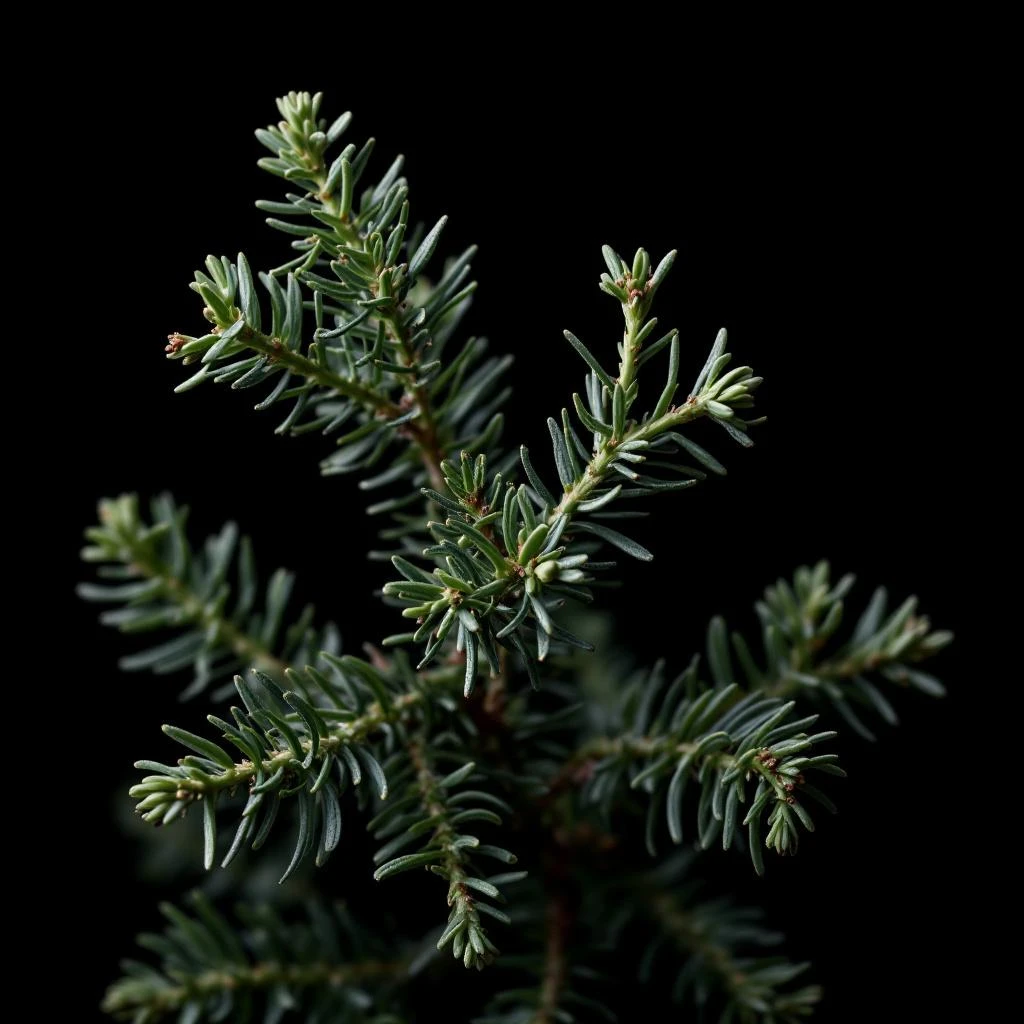
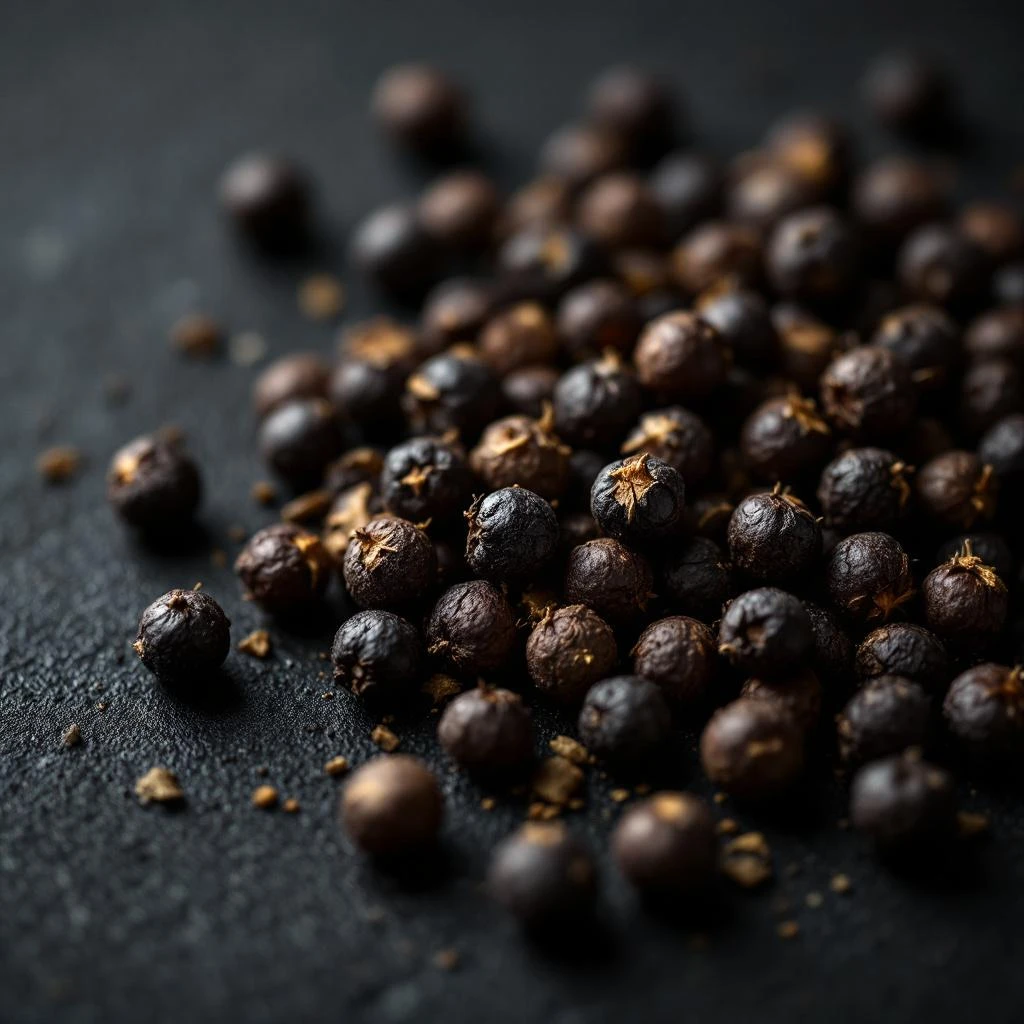
The structure is unusual: citrus-juniper opening that smells like the moment before a hike, a heart of pine and incense that grounds everything in smoke and resin, then a base of vanilla and sandalwood that sounds sweeter than it is. The genius is in the restraint. This doesn't perform. It whispers. The incense in the heart isn't church incense or head shop incense. It's campfire incense. The smell of wood catching fire, not the smoke of ceremony. That specificity elevates it from 'nice fragrance' to 'something you'll remember.'
The Evolution
The opening lasts maybe ten minutes before the citrus retreats. Pine needles take over, and suddenly you're somewhere else entirely. Not outdoorsy. More like the memory of outdoors. The incense appears around the 30-minute mark, not heavy, just present. By hour two, the vanilla and sandalwood have emerged. The drydown is where this fragrance lives. Six to eight hours on skin. Longer on clothing. A wool sweater worn once carries it for days.
Cultural Impact
Gypsy Water occupies a strange position in fragrance history. Named for Romani culture but avoiding the actual term, it sparked necessary conversations about cultural sensitivity in perfumery. The fragrance itself became a cult classic precisely because it refuses to shout. In an era of projection-obsessed fragrances, Gypsy Water argued that restraint could be its own statement. The name controversy hasn't disappeared, but the fragrance's quality is undeniable. It remains one of the most recommended entry points into niche perfumery precisely because it's wearable, distinctive, and doesn't require you to understand anything to enjoy it.
The House
Sweden · Est. 2006
Founded in Stockholm by Ben Gorham, Byredo distills memory and emotion into minimalist fragrance. Each scent is a narrative — from the dusty roads of Jaipur to the anonymity of a crowded city. The house rejects the ornate traditions of European perfumery in favor of restrained Scandinavian design, letting raw materials speak with startling clarity.
The Creator
Jérôme EpinetteByredo was founded in Stockholm in 2006 by Ben Gorham, son of a Swedish mother and Indian father. Trained as a painter rather than a perfumer, Gorham worked with rotating perfumers to execute his vision. The brand became known for minimalist aesthetics and maximalist scent stories. Gypsy Water was among the earliest releases, cementing the house's reputation for artistic, concept-driven fragrances that refuse to be categorized.
If this were a song
Community picks
The sonic equivalent of a campfire at dawn. Starts with the crack of juniper underfoot, transitions to woodsmoke and pine resin, settles into the warmth of worn leather and vanilla. Quiet electronic textures, folk instrumentation, breath between the notes. The fragrance doesn't want to fill the room. It wants to make you want to stay in it.
Foe
Destroyer