The Story
Why it exists.
The beginning
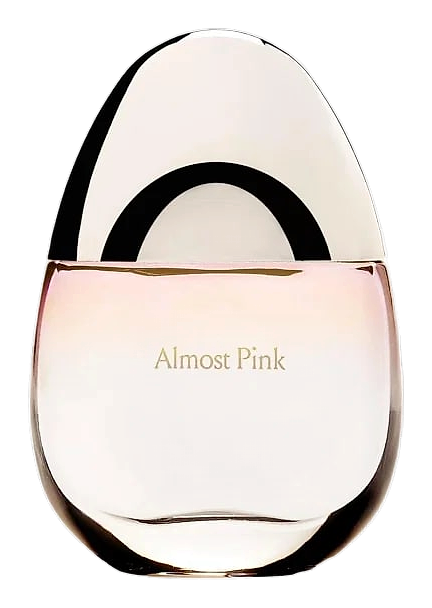
Almost Pink arrived in 2026 as part of Zara's The Latte Edit. Three notes carry the entire composition: raspberry up top, iris at the heart, musk anchoring the base. No fireworks, no topiary of accords competing for attention. Just a triangle of materials, each one a familiar face in the soft floral tradition, restated with Zara's particular instinct for accessible mood. The opening reads bright and edible, the raspberry landing with a tart sweetness that feels closer to a real berry than a candy version, the kind of fruit warmed by the hand rather than concentrated into syrup.
What Almost Pink gets right is restraint. Raspberry opens the door, but it doesn't knock the frame down. Instead of building a confection around the berry, the composition lets iris do something quiet and slightly powdery, the kind of floral softness that doesn't demand to be named. Musk closes the arc without flattening it. The result reads less like a fruity floral and more like a textural study, sugar-soft against skin-warm, close enough to feel personal.
The evolution
The raspberry arrives first, and it arrives with intention: not jammy, not candy, more like the moment a berry hits warm cereal, sweet but grounded. That opening sits bright and almost tart, lifted by a freshness that keeps it from collapsing into syrup. Before long the iris folds in and the whole composition slides sideways into something powdery and intimate. The musk wasn't waiting in the wings. It was already there, underneath, softening the berry from the first spray, lending that subtle warmth that makes the whole thing feel like a second layer of skin rather than a coating of perfume. As the hours pass, Almost Pink stops announcing itself and starts settling into the body, the sillage dropping to a whisper. You'll smell it on your wrist when you reach for your coffee cup, a faint milky trace where raspberry has been reduced to suggestion and iris to memory.
Cultural impact
Almost Pink sits comfortably in the category of skin scents, those quiet compositions designed for proximity rather than projection. It reads as the kind of fragrance that belongs to the wearer first and the room second, the sort of scent you notice on someone's collar rather than across a dinner table. For wearers, that quality carries its own quiet statement: the scent of someone who doesn't need the room to know they're there. The raspberry-iris-musk triangle does its best work at close range, each note handing off to the next in a slow, powdery rotation that builds intimacy rather than impact.