The Story
Why it exists.
The beginning
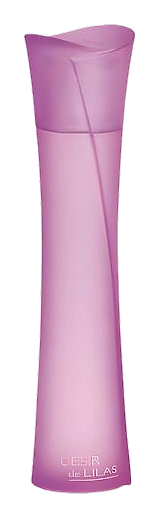
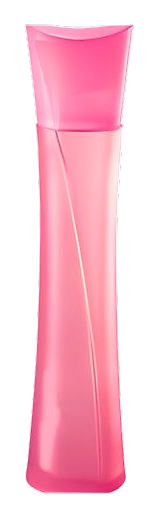
Annick Ménardo created Pur Desir de Rose in 2002 for Yves Rocher's Pur Desir collection. Each fragrance in the range was a study: Fleur d'Oranger, Gardenia, Lilas, Muguet. Rose got its turn. Ménardo paired the queen of flowers with cool water and a hint of spice, creating a mineral coolness that kept the rose grounded rather than letting it drift into sweetness. The result is a rose that feels more itself than many solo floral compositions manage to achieve, a reminder that sometimes restraint is the boldest creative choice.
The water note in this composition isn't decorative. It acts as a counterweight, keeping the rose grounded in something mineral and cool rather than letting it float toward conventional sweetness. The spices do their work quietly: warmth without weight, presence without insistence. Together, these elements transform what could have been a straightforward rose into something more complex, a fragrance that refuses to behave like a typical rose scent. Ménardo's decision to let the floral lead without excessive supporting elements gives the fragrance its particular character.
The evolution
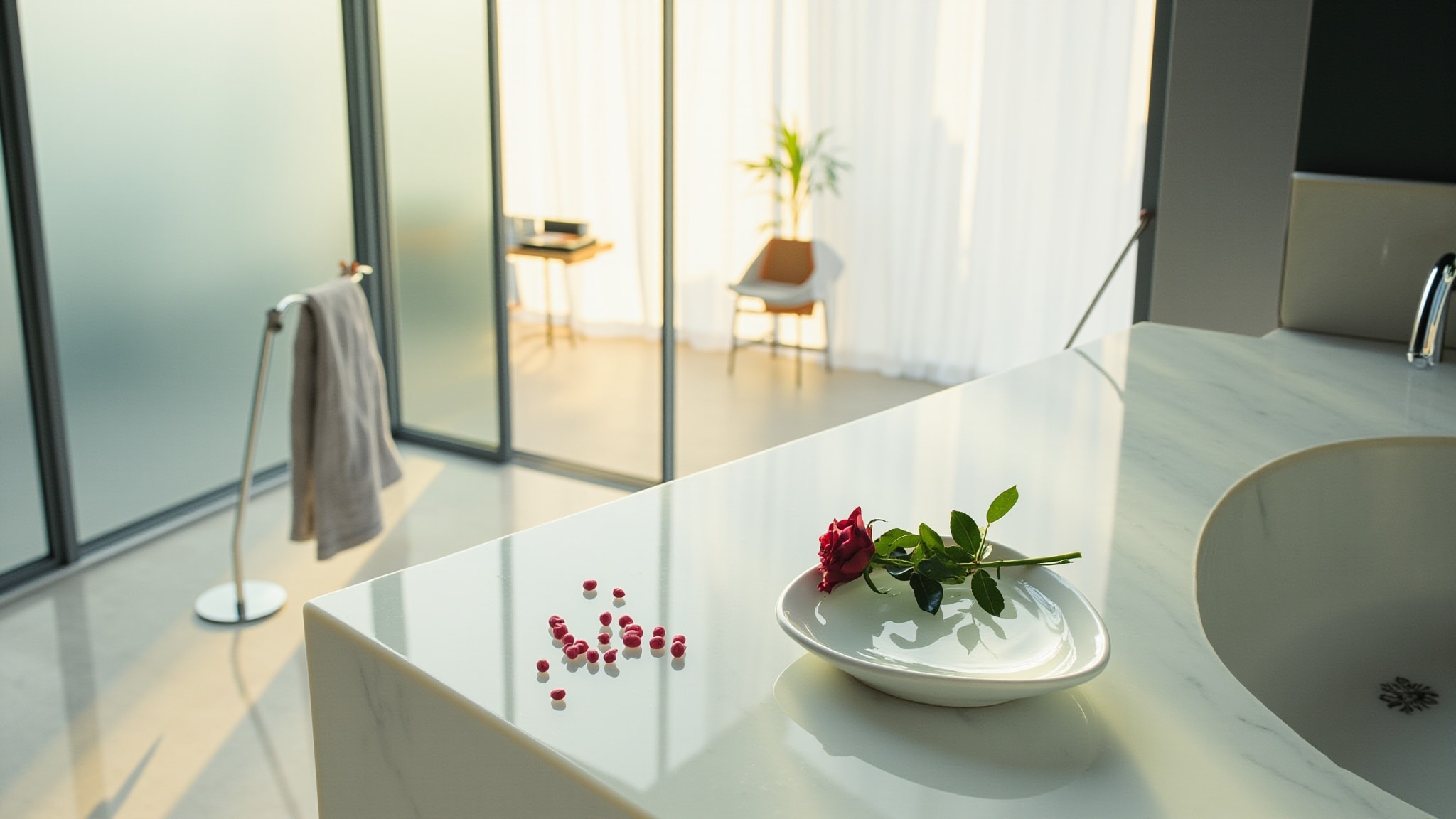
The opening arrives immediately: rose at the stem, that clean green snap before the petals even open. The water note reads as cool humidity, not marine, not ozonic, closer to the smell of air after rain. Spices arrive with the top, a gentle warmth that keeps the rose from feeling precious. Five minutes in, it's all three at once: green, cool, warm. The heart is where this fragrance earns its name. The rose opens fully, not synthetic-bright, not powder-soft, but a real botanical presence. The aquatic note warms slightly, becoming more skin-like than atmospheric. The spices deepen without getting louder. This is the longest phase of the wear, and during it the fragrance projects softly, staying close to the skin rather than announcing itself across a room. The drydown is gentler.
Cultural impact
Pur Desir de Rose arrived in 2002 as part of Yves Rocher's Pur Desir collection. The fragrance offered a different approach to rose, using water as a counterweight to keep the floral cool and grounded rather than letting it float into sweetness. The composition was distinctive in its restraint, avoiding heavy musks or aldehydes in favor of a more mineral, aquatic approach. The fragrance was eventually discontinued, and today it remains a quiet find for those who seek it out: not a statement piece, but something worn by someone who knows what they want and why.