The Story
Why it exists.
The beginning
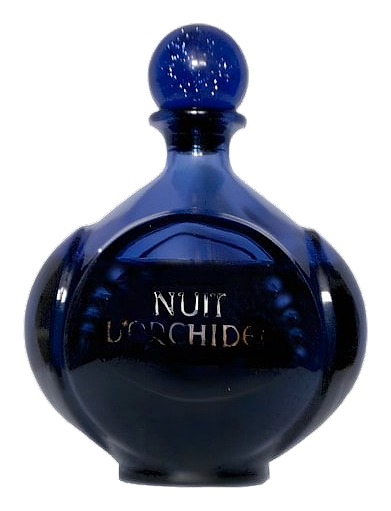
In 1990, Yves Rocher turned to the orchid, a flower that blooms once, briefly, then leaves a trace. Not the easiest material to work with. Orchid in perfumery isn't a single note; it's an interpretation. The brand's botanical focus gave the perfumer something to work toward: a flower that felt both exotic and grounded, something that could carry the weight of an evening without tipping into drama. The brief was simple in concept: take the orchid's fleeting beauty and fix it into something that lasts.
What makes Nuit d'Orchidee interesting isn't the orchid alone, it's the way the composition holds it. The fruit notes (pineapple, papaya) give the opening a tropical sweetness that feels immediate and alive, but the galbanum keeps things from getting too soft. It's a counterweight. The heart brings ylang-ylang and freesia into the picture, and together they create a floral layer that's creamy and powdery at once, which is harder to achieve than it sounds. Most florals commit to one register. This one holds two at once, and the vanilla base is what makes that possible, it absorbs the sharpness and leaves something warm and coherent.
The evolution
The opening hits bright and green, galbanum leading, fruit following close behind. For the first twenty minutes, there's a tension between the green and the sweet that keeps things interesting. Then the orchid arrives. It doesn't rush; it settles. Ylang-ylang moves in beside it, and the composition softens into something creamier, more enveloping. By hour two, the vanilla has taken over. The sandalwood and patchouli underneath give it weight without heaviness, the kind of warmth that stays close to skin rather than projecting outward. On the drydown, six to eight hours in, there's still something there: soft, sweet, powdery. The kind of trace that makes you check your wrist.
Cultural impact
Nuit d'Orchidee arrived in 1990 during a golden era for floral-oriental fragrances, the decade that gave us Poison, Samsara, LouLou. It positioned itself differently: less confrontational, more intimate. The brand's botanical grounding gave it a quieter authority. It wasn't trying to dominate a room; it was trying to become part of someone's routine. That positioning, accessible, French, botanical, kept it relevant for decades after launch, even as the fragrance market shifted toward louder projections and more aggressive sillage.















