Freesias
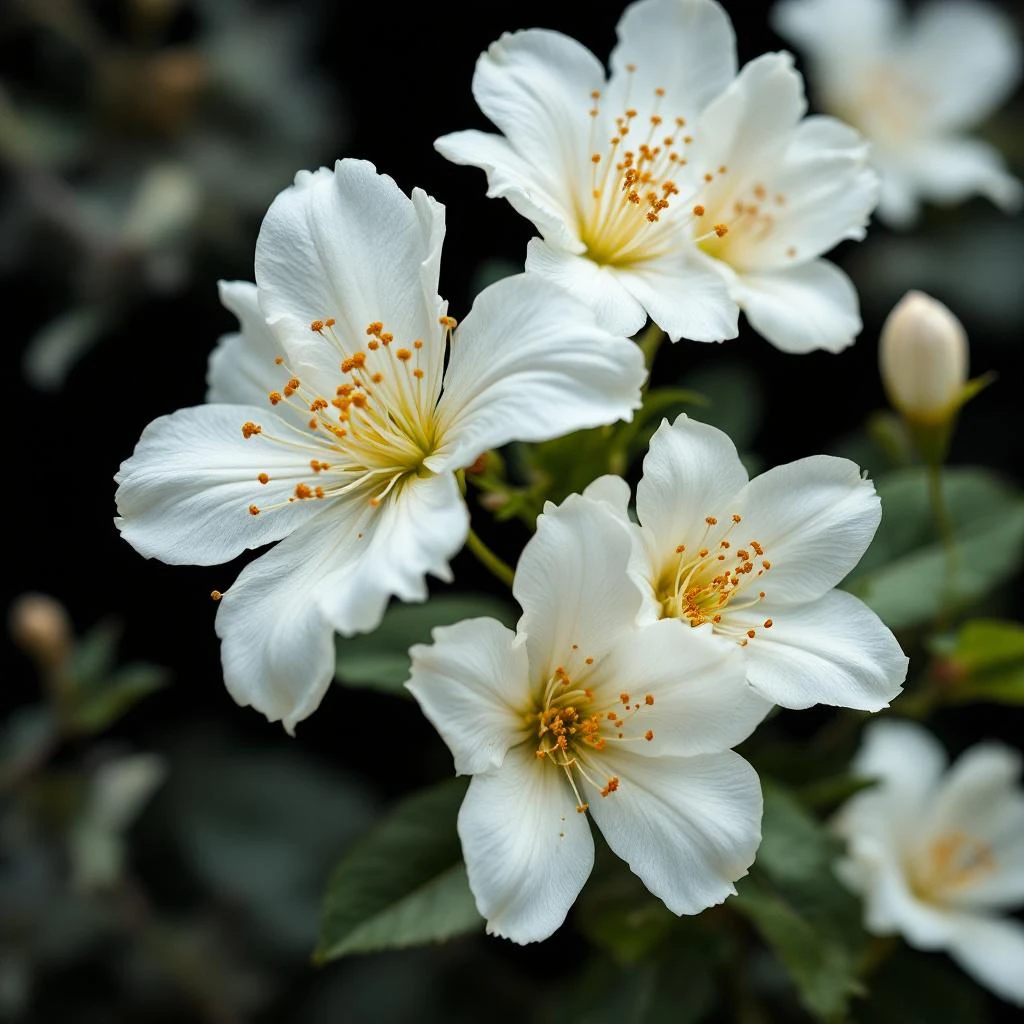
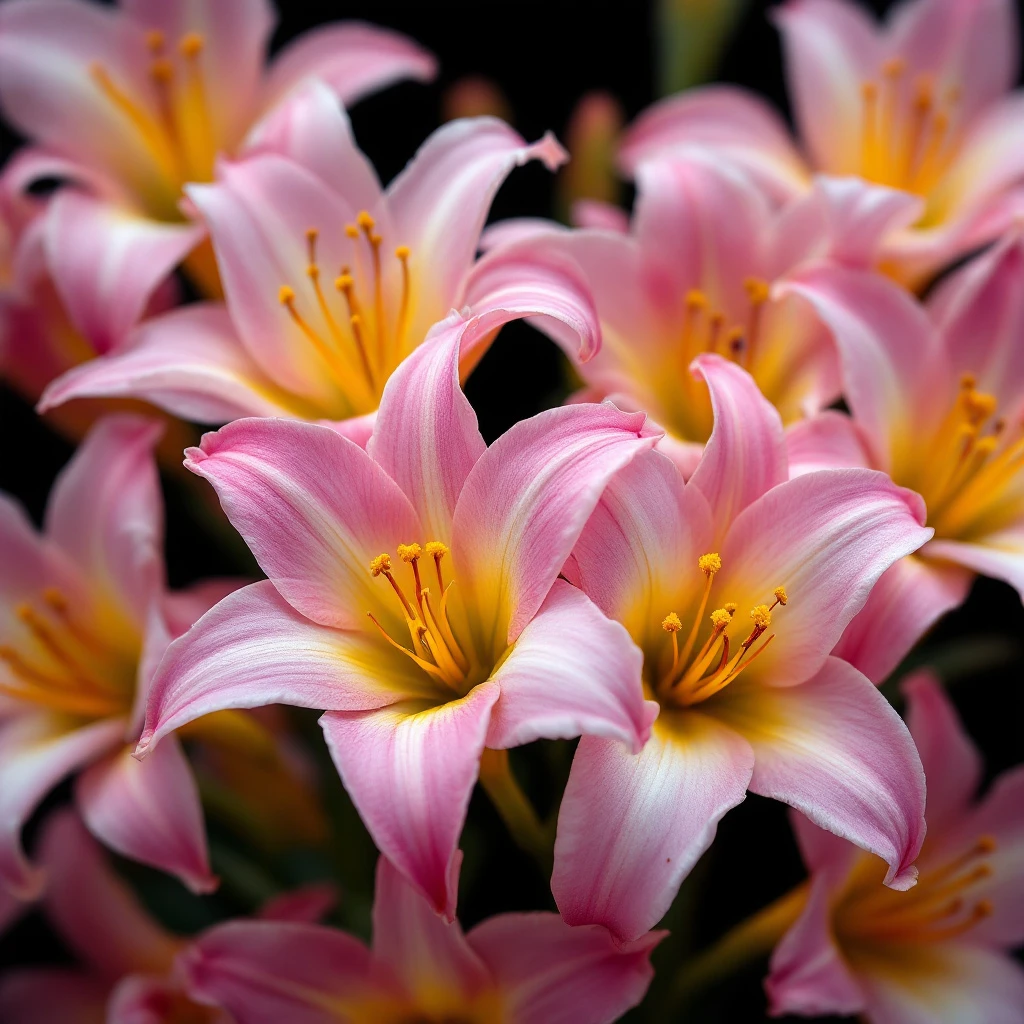
Freesia's signature scent—green, watery, and sweetly spiced—captures spring in a single bloom. This South African native has become one of perfumery's most beloved florals, yet its delicate chemistry makes natural extraction nearly impossible.
Character
How it smells
The spring bloom that modernized florals.
No natural freesia oil exists in commercial perfumery. Every freesia note you smell was recreated in a laboratory to capture the living flower's green, dewy character.
Pairs beautifully with



Origin
South Africa
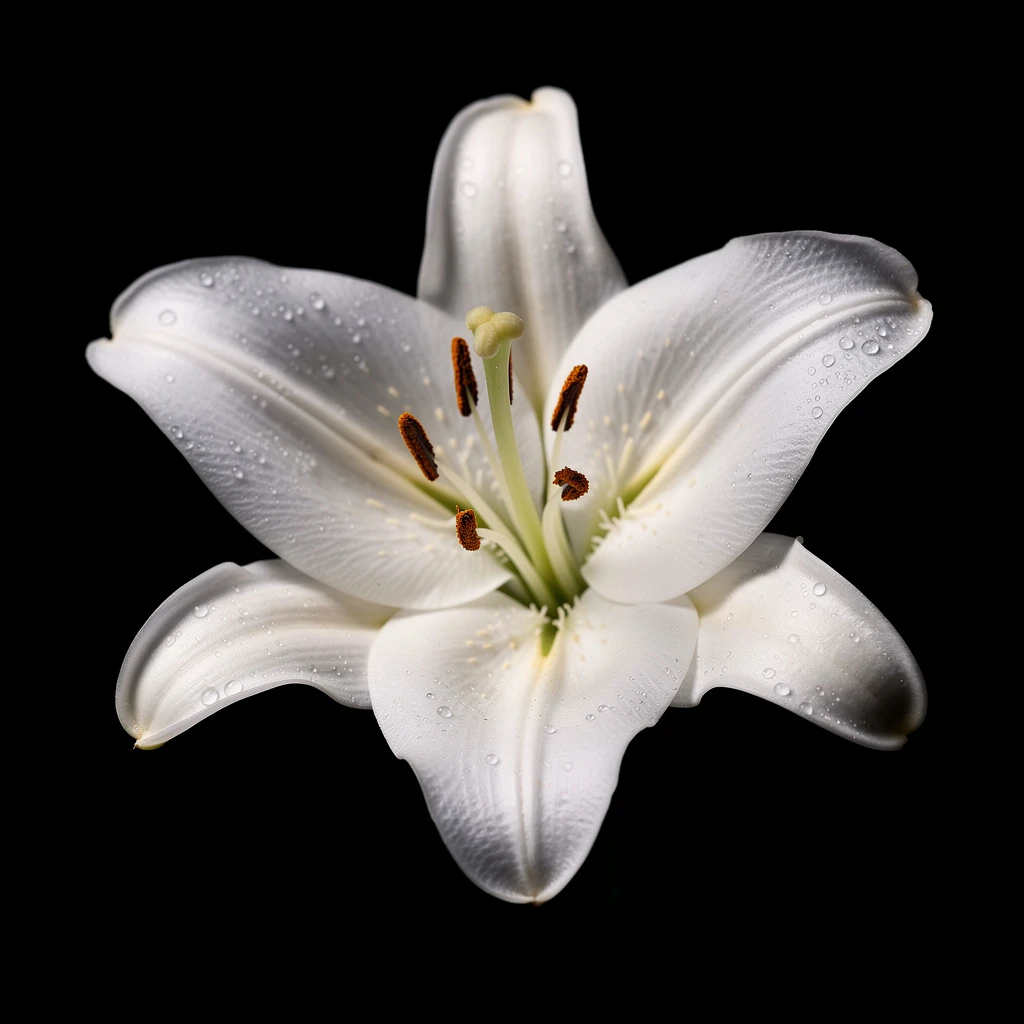
Freesia takes its name from Friedrich Heinrich Theodor Freese, a German physician and plant collector from Kiel who died in 1876. Danish botanist Christian Ecklon documented the flower in South Africa during the 19th century and named it in Freese's honor. However, the plant had actually been encountered earlier by Swedish naturalist Carl Thunberg during his pioneering work in southern Africa in the late 1700s.
The flower remained relatively obscure until European botanical gardens began cultivating it in greenhouses during the mid-1800s. Plant breeders gradually enhanced both the flower's fragrance intensity and its visual appeal, transforming the wild species into the elegant cut flower familiar today.
By the twentieth century, freesia had established itself as a significant cut flower crop, particularly in the Netherlands and Japan, where greenhouse cultivation produces millions of stems annually for the floral trade. This commercial production ensured a steady supply of fresh flowers for sensory study, helping perfumers understand and eventually recreate its distinctive scent.
The flower's journey from South African wildflower to global perfumery ingredient reflects the broader story of botanical exploration and the eventual rise of synthetic aromatic chemistry that made delicate florals commercially viable for the fragrance industry.
Wears it best
Fragrances featuring Freesias
Brands
Brands known for Freesias
Good to know
Questions, answered
The essentials on Freesias in perfumery: how it smells, where it comes from, and how it behaves on skin.
Is there natural freesia essential oil?
No commercial natural freesia oil exists. The flower's aromatic compounds are too delicate and present in too small a quantity for viable extraction. Every freesia note in perfume is synthesized.
What does freesia smell like?
Freesia combines green, watery freshness with sweet, spicy undertones. The scent evokes dew on grass, white blossoms, and a subtle fruity sweetness reminiscent of strawberries.
Where does freesia originate from?
Freesia grows wild in South Africa, particularly the Cape region. Danish botanist Christian Ecklon documented it in the 19th century, naming it after German plant collector Friedrich Freese.
Why are most freesia scents synthetic?
Extraction yields are prohibitively low. A hectare of freesia produces negligible essential oil, making natural production economically unfeasible. Laboratories recreate the scent instead.
What are the key aroma compounds in freesia?
Linalool provides the sweet floral base, while cis-3-hexenol creates the characteristic green note. Aldehydes contribute to the water-white freshness that defines the freesia character.
When did freesia become significant in perfumery?
Freesia emerged as a major floral note in 19th-century perfumery, though synthetic recreation became standard by the early 1900s as extraction attempts consistently failed.
Who was freesia named after?
The flower honors Friedrich Heinrich Theodor Freese, a German physician and plant collector from Kiel who studied South African flora. Ecklon named the genus after him in the 19th century.
What makes freesia distinctive among florals?
Freesia occupies a unique space between green and floral. It provides the immediacy of a green note while delivering the warmth of a traditional floral heart, making it unusually versatile in composition.