The Story
Why it exists.
The beginning
The name arrived before the formula. Calme Absolu, absolute calm, set the brief before a single note was weighed. Jérôme di Marino worked with that directive directly: build a fragrance that does what it promises on the label. No theatrical turns, no seduction arc. Just the quiet feeling of a Tuesday afternoon with nowhere to be. The brand's botanical archive informed the choice of materials, Breton cypress pulled from the coastal north of France gave the composition a regional identity that most fragrances in this genre simply don't bother with. Lavender essential oil, sourced for its documented relaxing properties, became the emotional core rather than a supporting note.
What makes Calme Absolu structurally interesting is its refusal of the typical woody-fresh playbook. Instead of building from citrus into a generic amber base, the composition keeps lavender present throughout the heart phase, not buried, not transformed, just held steady by the cypress and cedar around it. Amyris acts as the bridge: softer than sandalwood, slightly oily in a way that prevents the drydown from going skeletal. It's a careful piece of layering. Nothing announces itself. Everything stays.
The evolution
The opening hits clean and immediate, mandarin and lemon arrive without ceremony, a citrus flash that lasts perhaps twenty minutes before the green and woody elements arrive to complicate things. The Breton cypress enters like a shift in weather: one moment the air smells bright and citric, the next it smells like standing inside a hedge. The lavender essential oil doesn't try to dominate, it soothes the edges of the cypress rather than fighting for space. By the second hour, cedar and sandalwood amyris have taken over, and the composition reads as warm, dry, and quietly persistent. On fabric, it lasts through an evening. On skin, plan for a four-hour presence with moderate sillage that keeps itself to itself.
Cultural impact
Calme Absolu arrived in 2024 as part of Yves Rocher's Essences Botaniques line, reflecting a broader shift in French fragrance toward botanical authenticity and transparent sourcing. The brand's longstanding relationship with plant-derived ingredients, cultivated through its agricultural roots in Brittany, positions this release within a lineage of accessible luxury that prioritises natural origin over synthetic complexity. Breton cypress and French lavender anchor the composition with regional specificity, a deliberate move that connects the fragrance to place rather than trend. This approach mirrors a quiet cultural moment in fragrance culture where consumers seek compositions that feel rooted rather than performative, choosing subtlety over spectacle.
The House
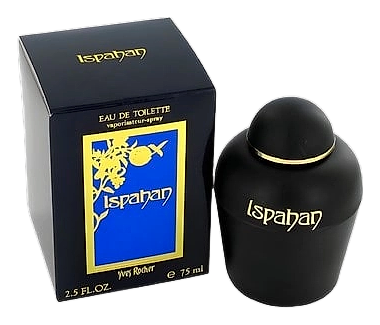
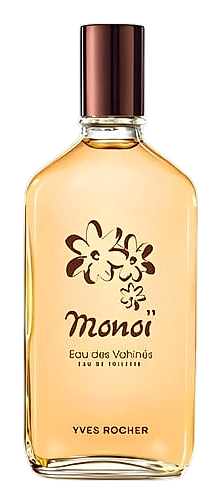
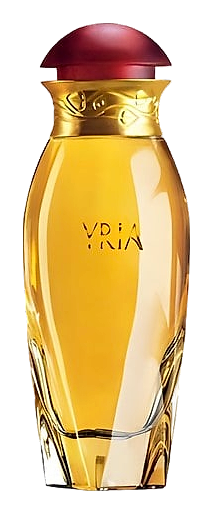
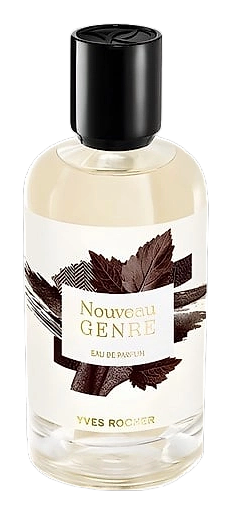
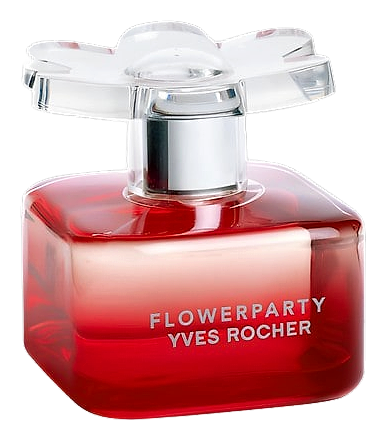
Yves RocherYves Rocher offers a line of fragrances that sits alongside its skin‑care and cosmetics range. The perfume portfolio draws on the brand’s long‑standing commitment to botanical ingredients, presenting scents that echo the gardens of its Breton origin. From the rose‑centric Ispahan Parfum (1977) to the citrus‑bright Telethon 96 Mandarine de Calabre, each fragrance reflects a plant‑focused sensibility while remaining accessible in a global retail network.
The Creator
Jérôme di MarinoDi Marino's work spans from commercial powerhouses to more intimate niche creations, marked by confident structure and a taste for contrast. He gravitates toward sophisticated ingredients, particularly orris, which he has described as one of his favorites for its preciousness…