The Story
Why it exists.
The beginning
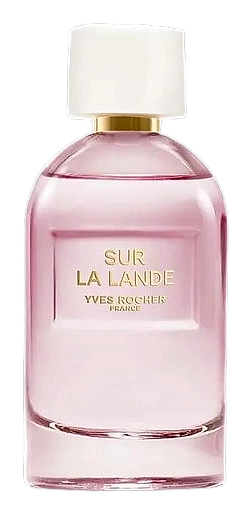
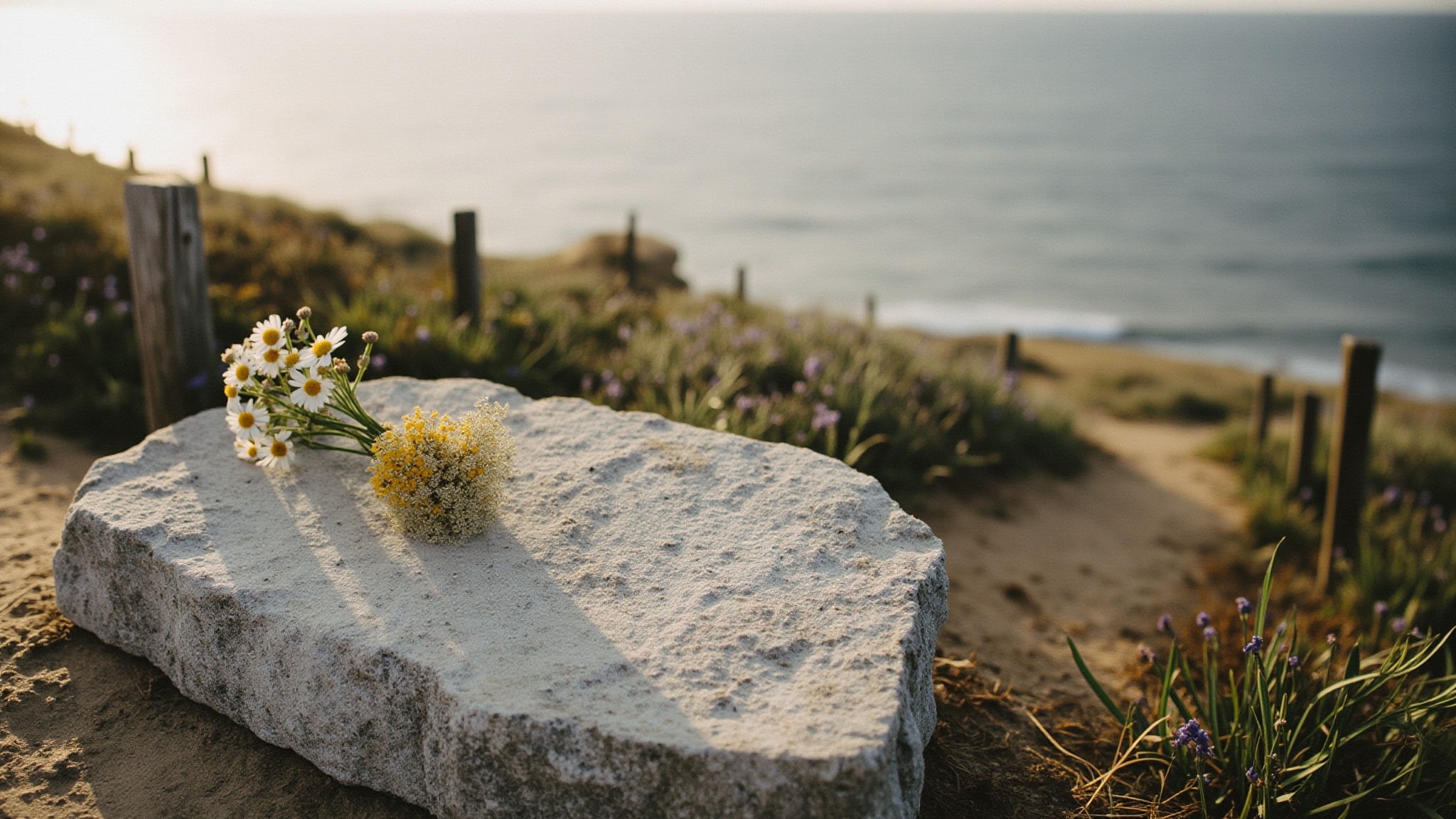
Caroline Dumur built Sur La Lande around a single idea: the Breton heathland where land meets sea. La Lande Bretonne is not a manicured garden, it's a landscape of character, scrubby and wind-resistant, the kind of place where wildflowers grow without permission. The brief was to translate that energy into a fragrance. Not a literal portrait, something that captures the feeling of standing there, salt in the air, grass bending sideways. Dumur reached for chamomile as the opening, herbaceous, slightly bitter, nothing like the sweetened tea most people know. Then jasmine, but the green, almost indolic jasmine that smells like the actual flower, not a reconstruction. The base is where it gets honest: seaweed and wood. Real materials. Nothing pretending to be something it isn't.
What makes this pyramid interesting is its refusal to sweeten. Chamomile is rarely used as a top note in mainstream florals, it's more often deployed as a supporting herb in aromatherapy compositions. Here it leads, and it leads with its slightly bitter, apple-skin quality. The jasmine heart doesn't soften it into conventional sweetness; it adds warmth and the faintest animalic undertone that keeps the composition grounded in something biological. The seaweed base is the unusual move. It's not marine in the way aquatics are marine, it's not ozonic or cucumber-clean. It's the smell of the shoreline itself, wet sand and iodine, anchored by woody notes that give it longevity without sweetness.
The evolution
The first thirty minutes are the chamomile. It arrives green, almost grassy, with that characteristic apple-tart quality the flower has when it's undiluted by sugar. There's a brief flash of something medicinal, the kind of clarity that wakes you up rather than relaxing you. Then the jasmine takes over, not all at once but gradually, like warmth spreading across your shoulders. It doesn't fight the chamomile; it completes it. The drydown is where Sur La Lande reveals its true character. The jasmine fades into something quieter, almost powdery, and the seaweed emerges, not as a gimmick but as a genuine base note that gives the fragrance its anchor. Woody notes settle into the skin and stay. On fabric, this lasts well into the evening. On skin, expect six to eight hours depending on your body chemistry. The next morning, there's a faint trace on clothing, salt and dried flowers, the ghost of a coastline.
Cultural impact
Sur La Lande sits outside the dominant currents of contemporary fragrance, nooud, no gournmand, no loud citrus. It occupies the space where herbal meets marine, a territory more common to niche houses than accessible French beauty brands. For wearers who find most florals too sweet or too polished, this offers something different: a fragrance that behaves like a weather report rather than a love letter. The Breton landscape, wild, exposed, elemental, is its reference point, and the fragrance commits to that register without irony or softening.