The Story
Why it exists.
The beginning
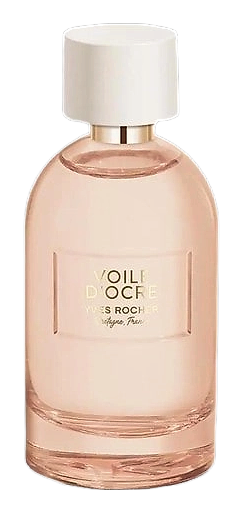
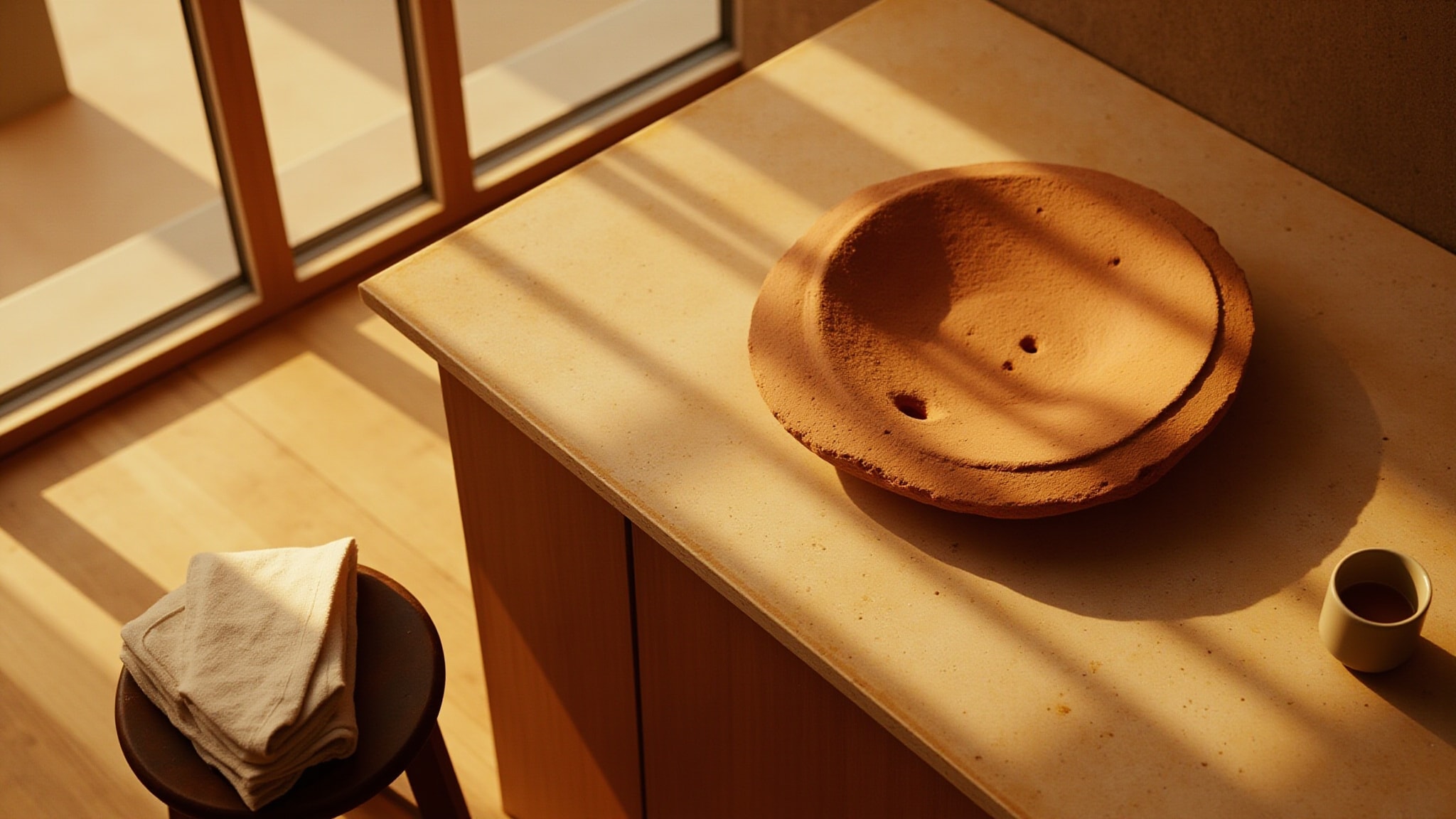
Voile d'Ocre means ocher veil, and the name says everything. Ocher is the color of desert earth after the sun has passed its peak, that warm terracotta that shows up in sand dunes at dusk. The perfumers, Ane Ayo and Fabrice Pellegrin, built this fragrance around a specific quality of light: golden, diffused, the kind that softens hard edges. Where desert heat rises, something cooler settles beneath it, shadow against sun, cool against warm. That's the duality at the heart of this fragrance. Not contrast for its own sake, but the natural tension that exists in any landscape where temperature and light are always negotiating.
What makes Voile d'Ocre interesting is its structure, or rather, its refusal to structure. The same notes appear from top to base: sandalwood, cedar, damask rose, ceylonese cinnamon, patchouli. Nothing transforms. Nothing hands off to something else. The fragrance is what it is, and it stays that way. Some might call that lack of development a weakness. But there's a case to be made that linear compositions have their own quiet power: they don't surprise you, but they don't leave you either. The warmth you smell at opening is the warmth you'll smell six hours later, just closer to the skin, more a part of you.
The evolution
Opening is warm. Not sharp, not bright, warm. Sandalwood and cedar arrive together, their creams and woods blending into something that reads as a single sensation: the smell of something sun-warmed. Damask rose adds a softness, a whisper of sweetness that never asserts itself. Ceylonese cinnamon is there too, but tempered, spice without the bite. Patchouli anchors the base, keeping everything grounded in something slightly earthy, slightly sweet. The drydown is where the fragrance settles into itself. The initial warmth doesn't fade so much as compress, it becomes intimate, close, something that lives against the skin rather than in the air around you. Six to eight hours on most skin, with the woody cream holding through the end. The cedar and sandalwood don't transform in the drydown. They simply stay.
Cultural impact
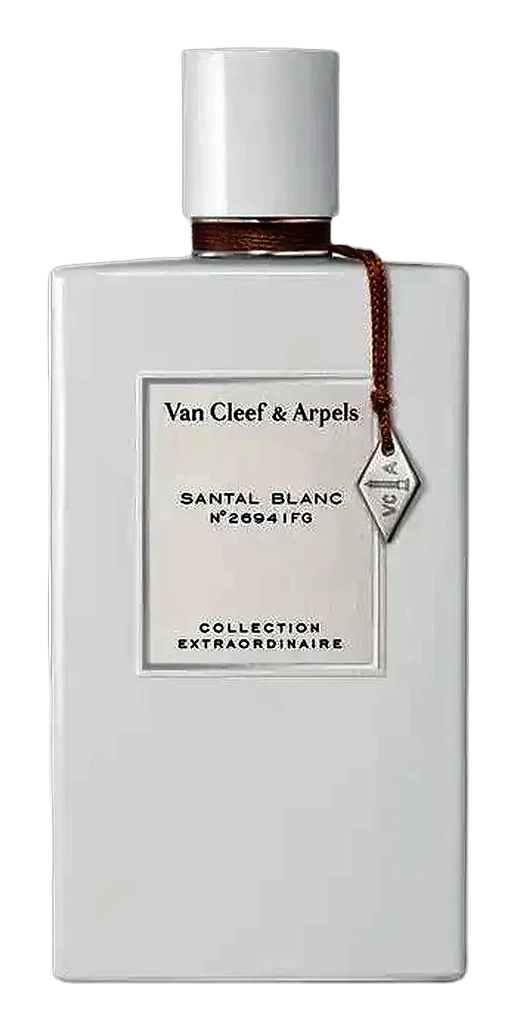
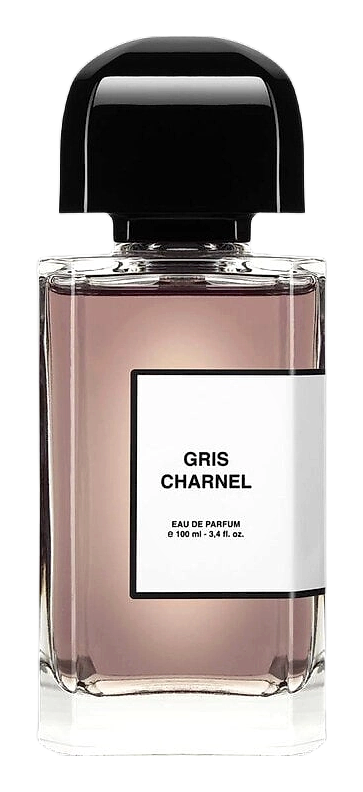
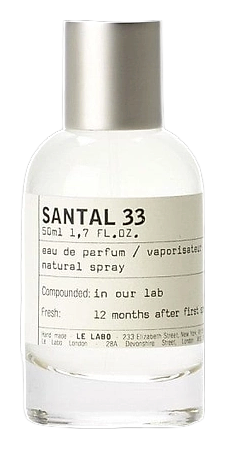
Voile d'Ocre has found its audience among people who appreciate straightforward woody compositions without complexity or surprise. The fragrance's value-for-money score is notably high, wearers feel they get genuine quality at an accessible price. Comparisons to Santal 33 and Gris Charnel suggest it occupies similar territory: warm, powdery woods in an accessible format. The moderate sillage and intimate projection make it a day-to-day proposition rather than a statement piece, which is exactly what many wearers want.