The Story
Why it exists.
The beginning
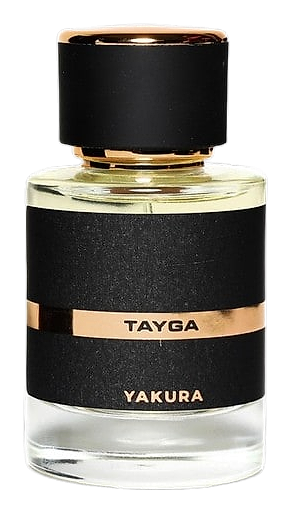
Tayga arrived in 2020 from Yakura. Its name is used in the Old Altay language for “forest,” and the fragrance follows that cue without becoming heavy or conventionally green. Lemon verbena and bergamot bring light into the opening, with a clean tartness and gentle bergamot brightness. Vetiver and cedarwood pull the composition toward the ground, giving the citrus a wooded, mineral spine rather than an overtly leafy character. There is no documented perfumer, founding story, or specific brief, so the clearest account is the one written by the notes themselves: citrus first, forest floor next, and warm mineral woods at the end.
What makes Tayga interesting is the way its few notes change the temperature of citrus. Lemon verbena and bergamot could have made a conventional sparkling scent, but vetiver adds dry earth while cedarwood introduces a cleaner, straighter grain. The result remains restrained, with citrus brightness tempered by roots and wood rather than overwhelmed by either side of the composition. Ambergris then adds a subtle marine warmth beneath the woods, while sandalwood gives the base a smooth, powdery surface.
The evolution
Tayga begins with a clean flash of lemon verbena and bergamot, opening into a lively, lightly tart citrus accord. That brightness quickly gives way to vetiver and cedarwood, pulling the fragrance downward into dry soil, aromatic roots, and a pencil-shaving texture. The opening seems brighter and more citrusal than the composition that follows, but the woods keep the transition grounded rather than sharp. In the later stages, ambergris introduces a faint mineral warmth beneath the forest profile, while sandalwood smooths the edges into something soft and powdery. The citrus fades first; vetiver and cedar remain the central structure. As those bright facets diminish, the dry root character of vetiver, the straighter grain of cedarwood, and the warm ambergris accord become clearer.
Cultural impact
Tayga draws its name from the Old Altay word for “forest,” and its composition expresses that idea through woods, roots, citrus, and mineral warmth. Lemon verbena and bergamot introduce a fresh opening, while vetiver and cedarwood bring dry earth and a clean wooden grain. Ambergris adds a subtle marine undertone beneath them, and sandalwood gives the base a soft, powdery finish. The fragrance invites appreciation through its shifting balance: bright citrus at first, then increasingly prominent woods, followed by warmer and smoother textures as the composition develops.