
The Story
Why it exists.
The beginning
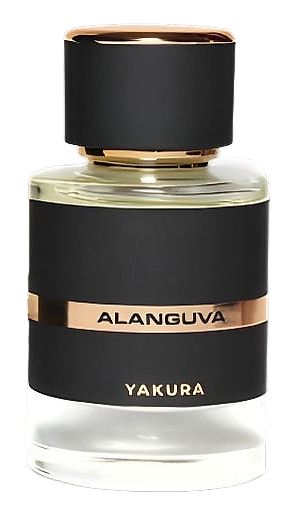
Alanguva arrived in 2020 under Yakura's name, with no perfumer publicly credited and no documented place, person, or event attached to it. What the fragrance does offer is a clear composition: Lily and Passion Fruit at the top, Musk and Orange Blossom in the middle, then Cedar and Ylang-Ylang at the base. That pairing gives Alanguva its character before any narrative is laid over it. The opening is bright and juicy, with Lily laying a clean white floral note across the sharper fruit. It moves into a soft floral center where Musk and Orange Blossom round things out, then settles into a base of dry cedar and creamy, quietly sensual ylang-ylang. The effect is layered but readable, moving from brightness to softness to a warm woody finish that stays close to the composition it was built from.
The interesting part is the contrast. Lily brings a cool, clean floral register, while Passion Fruit adds ripe sweetness and a tropical edge. Musk and Orange Blossom make the middle feel airy and polished, almost powdered rather than heavy. Cedar then introduces dry structure, keeping the fruit from turning syrupy, while Ylang-Ylang adds a creamy, slightly sensual depth. The result is neither a straightforward tropical fruit scent nor a soft white floral. It's the tension between the two, held together by musky softness and a woody base.
The evolution
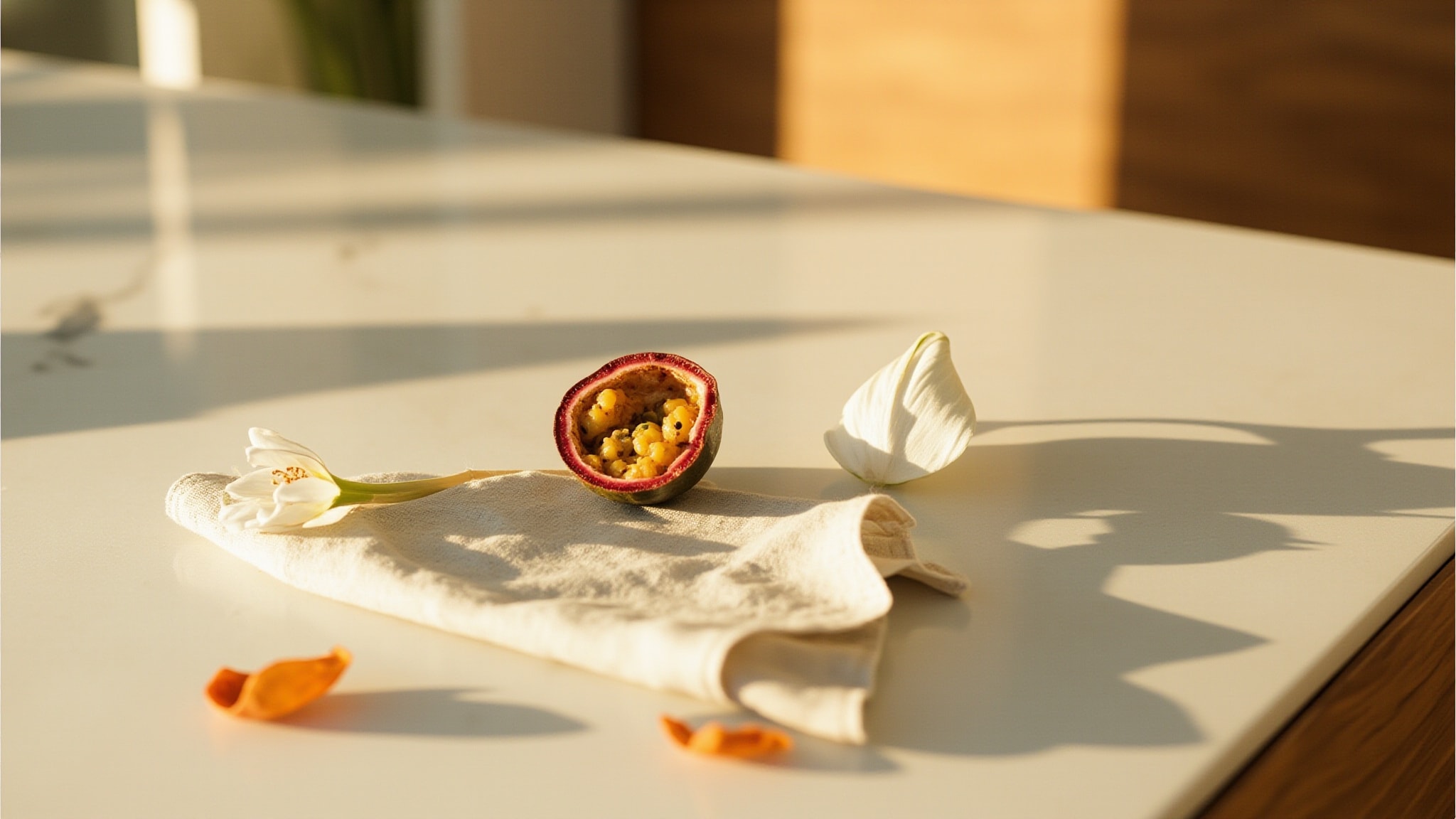
The first impression is ripe and floral: Passion Fruit gives the opening a juicy brightness, while Lily lays a clean white flower across it. As the scent settles, Orange Blossom and Musk take over, replacing that fruitiness with a smoother, more intimate floral warmth. The middle feels softer and more polished, like sunlight moving across pale fabric. In the drydown, Cedar introduces a dry, steady grain, while Ylang-Ylang keeps the base creamy and quietly sensual. The bright opening gradually disappears into a balanced floral-woody finish, with the fruit still lingering as a memory rather than the main event. Over time, the composition narrows into its quieter notes: the juicy brightness recedes first, the floral heart becomes the most present layer, and the cedar-woody base holds longest. What remains at the end is soft, warm, and lightly creamy, with only a trace of the earlier fruit.
Cultural impact
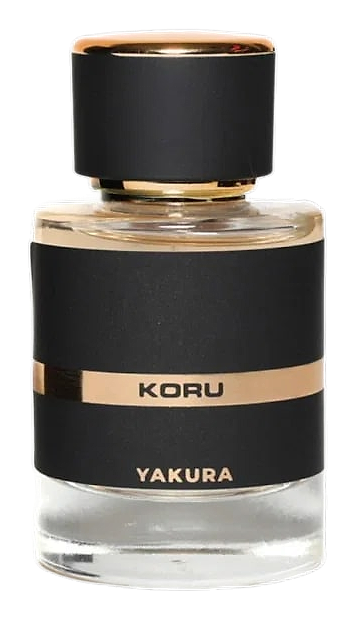
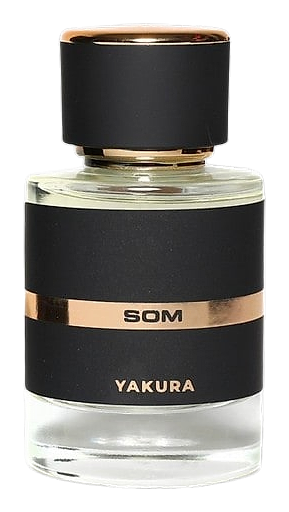
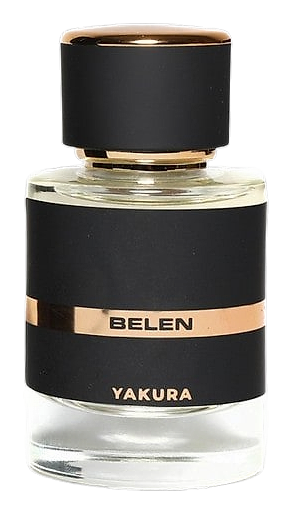
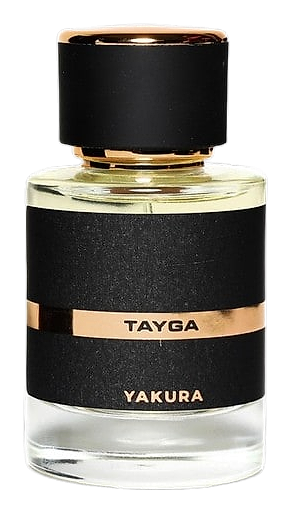
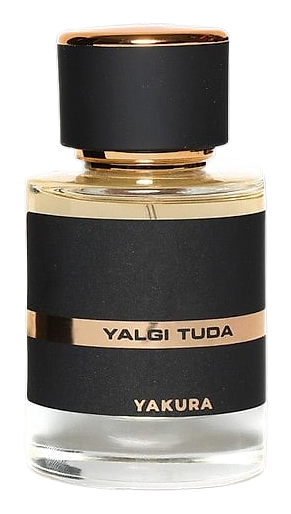
Alanguva was released in 2020 under Yakura, a house whose names include Koru, Som, Belen, Yalgi Tuda, and Tayga. Alanguva itself is built around a nature-rooted note list: Lily, Passion Fruit, Musk, Orange Blossom, Cedar, and Ylang-Ylang. It's worth discovering for the way its floral heart sits between a juicy opening and a warm woody base, a structure that makes the name easy to return to.