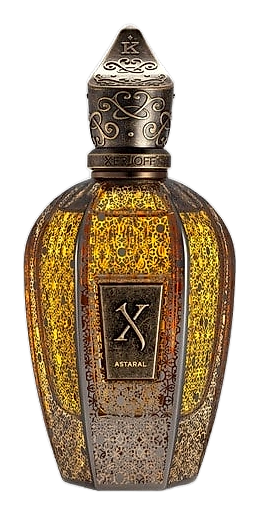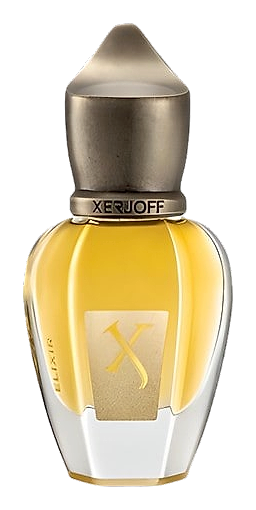

The Story
Why it exists.
The beginning
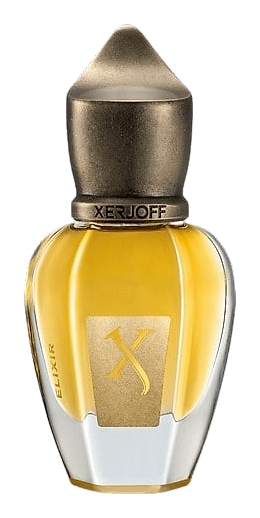
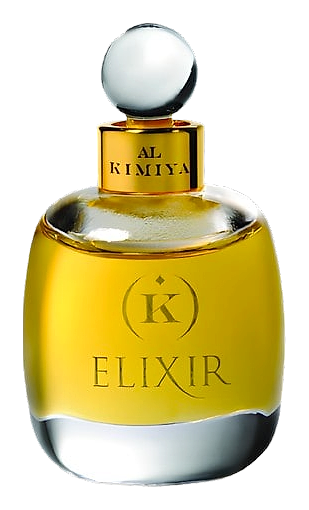
Elixir Attar was built as an exercise in restraint. Not restraint as limitation, but as discipline. An attar doesn't project the way alcohol-based perfumes do. It absorbs. It develops. It requires the wearer to let go of the need for immediate gratification. The brief was simple: create something that unfolds over time, using perfume oil in its most concentrated form. The result is a fragrance meant to be worn as ritual, not trend.
What makes this composition unusual is the interplay between the bright, almost medicinal warmth of copaiba and the deep, almost medicinal warmth of aged oud. They shouldn't work together, one's fresh, one's dense. But the rose bridges them. It doesn't soften so much as reconcile. Then the gurjan balsam enters. Earthy, slightly balsamic, it gives the drydown a grounded quality that most oud fragrances skip entirely. This is attar thinking: materials that age, shift, and outlast. Each element takes its time, revealing itself only when the conditions are right.
The evolution
The opening arrives warm and resinous, copaiba doing the work of a top note without the usual citrus lift. Rose follows, a quiet floral counterweight to the balsamic weight. The cade oil appears, adding a dry, complex dimension. The labdanum gives it sweetness beneath. As the heart phase develops, the oud fully announces itself, dense and resinous, taking over the drydown. The amber and gurjan balsam settle into something skin-close and persistent. On fabric, traces can remain for quite some time.
Cultural impact
The attar format draws wearers who've moved past projection and into longevity. Oil-based, without alcohol, it attracts those looking for something that works differently. It's not a fragrance for someone still learning what they like. It's for someone who's sure. The concentrated nature means a little goes a long way, and the way it develops on the skin becomes a private conversation between wearer and fragrance.