
The Story
Why it exists.
The beginning
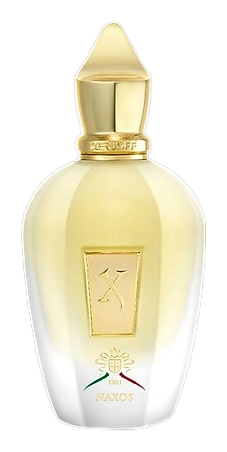
The name says 1986. That's the year the Fondazione Piemontese per la Ricerca sul Cancro was established in Italy, a foundation built around the idea that science and compassion could occupy the same room. Xerjoff didn't simply release a fragrance and attach a charity to it. The Candiolo Cancer Institute is baked into the concept itself. Every bottle funds research directly. The fragrance is the gesture, but the point is what happens after you smell it.
Green tea absolute is the unexpected material here. Less common than citrus, less predictable than rose or oud. In 1986, it functions as the stabilizing force, a vegetal, slightly bitter counterweight to the sweetness of orange blossom and the brightness of mandarin. Without it, this would be a pleasant citrus floral. With it, the composition earns its complexity. Cardamom then serves as the aromatic bridge, warm enough to ground the citrus, distinct enough to keep the heart from disappearing into softness. The pyramid is short. The intention is long.
The evolution
The opening lasts roughly fifteen minutes as mandarin orange does what mandarin does, immediate, uncomplicated brightness. Then the green tea takes over. It doesn't arrive with fanfare. It simply becomes the scent. The cardamom appears around the forty-five minute mark, threading warmth through the green. The drydown belongs entirely to orange blossom, soft and almost powdery, staying close to the skin for the remaining hours. On fabric, it lingers faintly into the next morning. On skin, it becomes skin.
Cultural impact
1986 exists because the Candiolo Cancer Institute needed funding and Xerjoff had the platform to provide it. This is the Spray to Help collection, fragrance as contribution, not just consumption. The softness of the scent matches the quietness of the mission. Each bottle sold contributes directly to cancer research funding.