
The Story
Why it exists.
The beginning
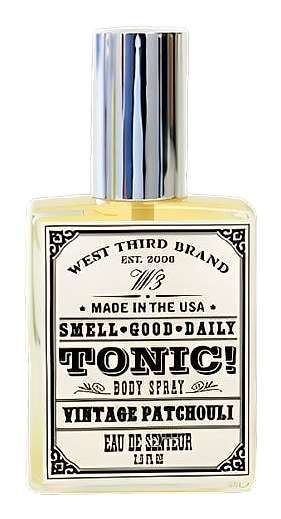
The name evokes the festival, sure. But this composition from Michael Loring Probst isn't a nostalgia play. West Third Brand was developing wood-and-resin formulas during the 2010s, and Woodstock emerged from that period of experimentation. It followed Vintage Patchouli in the catalog, a release that helped the brand define what its resinous base could do across different compositions. Probst built it around materials that age well on skin: sandalwood, cedar, benzoin resin, and a thread of olibanum frankincense that runs through the whole structure. No volatile citrus, no sharp edges to start. Just a slow build of warm density that reveals itself over hours rather than seconds.
What's interesting here is the absence. Woodstock skips the bright opening entirely. The coumarin does the heavy lifting early, giving a hay-like, almost tobacco-adjacent warmth before the woods arrive. Benzoin and vanilla then bind everything into a resinous wash that feels more architectural than decorative. The first hour reads as foundation rather than overture, a base layer being laid down before the more recognizable notes make their entrance.
The evolution
The first thirty minutes smell like standing inside a warm wood box, cedar and sandalwood with a faint sweetness underneath. Patchouli surfaces next, not dirty or earthy but dry, almost dusty, the kind that reads as incense smoke rather than damp soil. Around the second hour the benzoin fully opens, and the composition gets syrupy, a vanilla-and-coumarin warmth that wraps around the frankincense rather than competing with it. The frankincense itself stays restrained throughout, a cool thread that prevents the whole thing from collapsing into pure sweetness. By hour four what remains is a close-skin blend of sandalwood, musk, and the ghost of benzoin, warm but not heavy, still present without projecting. On fabric, the vanilla-coumarin core lingers into the next morning as something faint and sweet, a shadow rather than a statement.
Cultural impact
Woodstock occupies an interesting space in the independent fragrance conversation of the 2010s. Compositions like Woodstock, built on accessible materials with a clear point of view, gave indie perfumers a template for what a resinous, wood-forward scent could look like without relying on luxury-tier pricing or rare aromatics. Its placement among the woody-resinous releases of the era, alongside Vintage Patchouli in West Third Brand's catalog, reflects how the brand carved out a specific corner of the market rather than chasing broader trends.