The Story
Why it exists.
The beginning
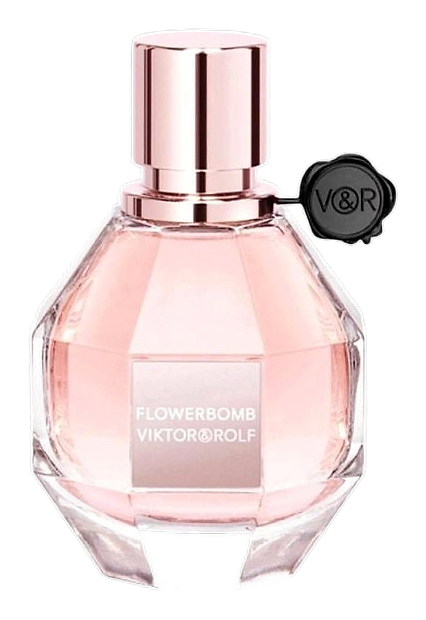
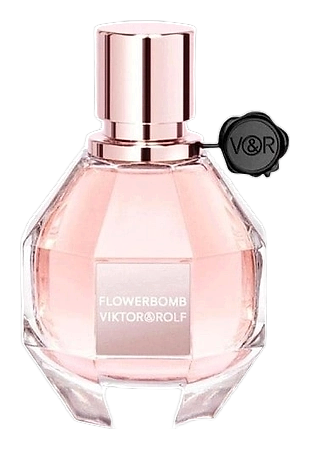
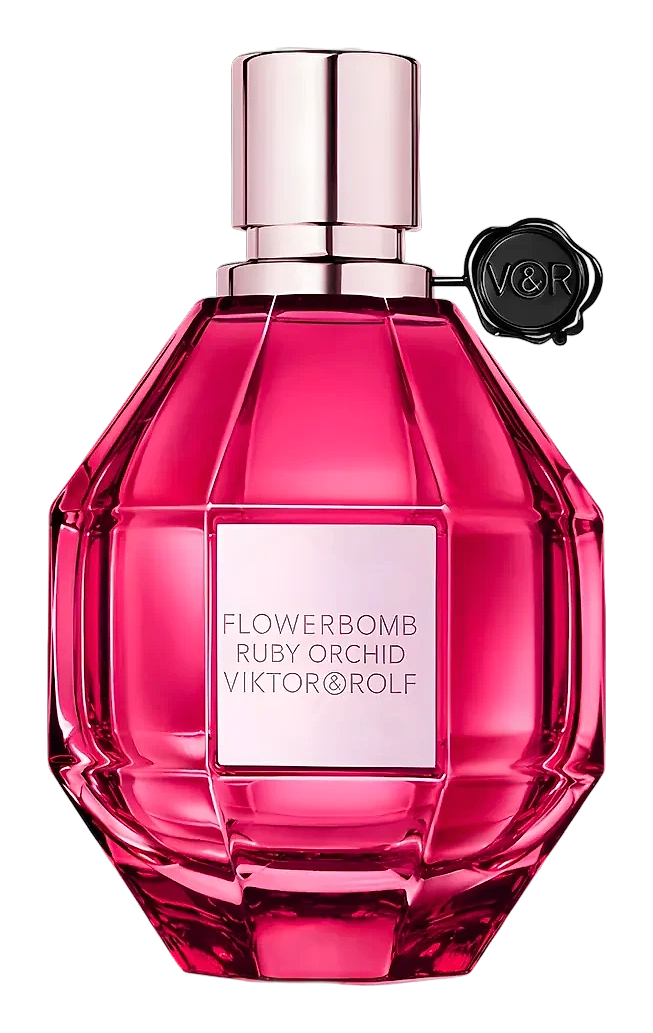
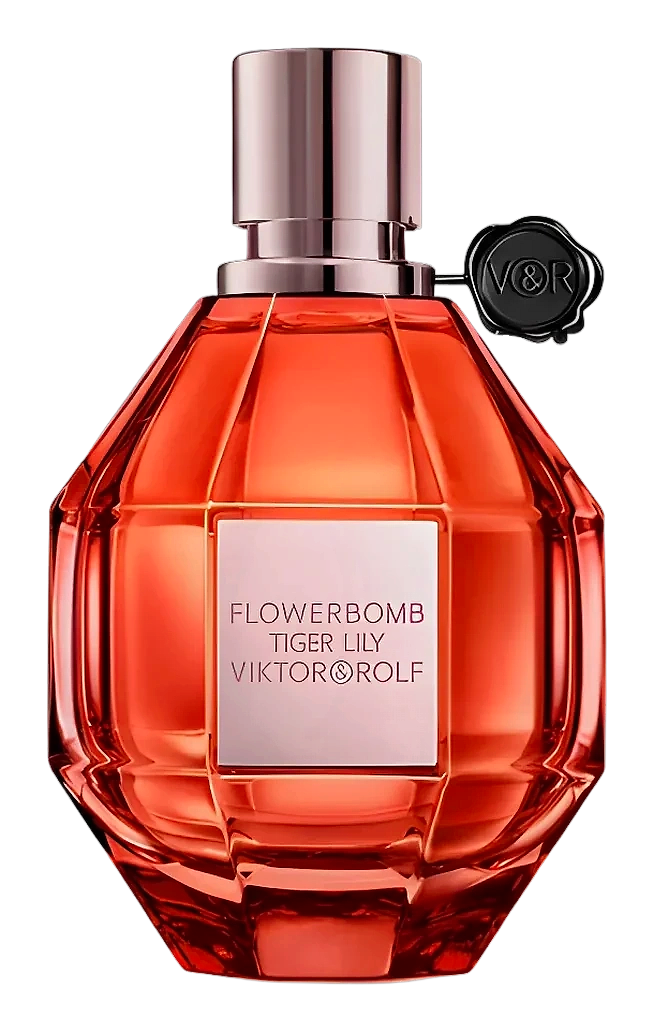
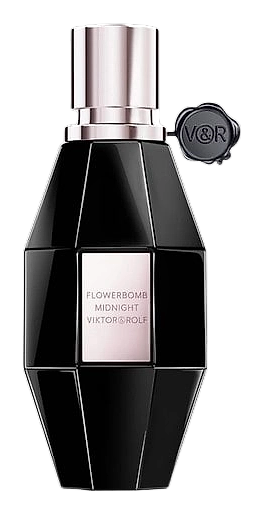
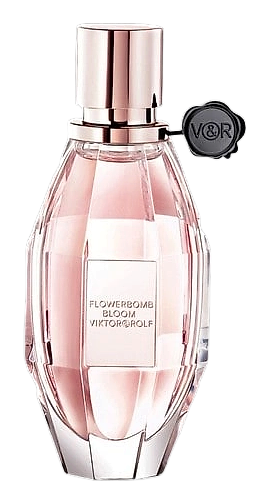
The Magic Collection arrived in 2015 with Flowerbomb, Viktor&Rolf's grenade-bottle statement that luxury could be confrontational. Salty Flower came later as the collection continued to develop, exploring the tension between tropical florals and unexpected mineral elements. Marie Salamagne, the nose behind it, worked with a brief that sounds simple: tropical flowers, transformed by salt. What that actually means takes about ten hours on skin to fully understand. The salt accord doesn't soften the frangipani. It makes the frangipani more itself, stranger, more memorable, the kind of flower note you point to when someone asks what you smell like. The tropical flowers don't retreat from the mineral presence.
Ambroxan is the quiet engine here. Derived from ambergris, it reads as skin-warm and slightly mineral, a close companion to the salt accord that extends everything else into something that stays. Moss keeps the base from going fully sweet, which matters when the heart is jasmine sambac and tuberose together. Those two can easily become overwhelming. The salt and ambroxan keep them in place, present but not smothering. This is the composition's real trick: holding tropical richness without losing the mineral clarity that makes it wearable in warm weather. A full workday, close to the skin, nothing asking for attention but the flowers.
The evolution
The opening is the salt. Not a hint of it, dominant, crystalline, the kind of mineral freshness that makes you check if someone opened a window. Bergamot arrives within minutes, bright and citrus-sharp, but the salt doesn't disappear. It settles into the composition and stays. Orange blossom softens the transition into the heart, a floral bridge that works. The frangipani and jasmine sambac arrive together, tropical and sweet but held in place by the salt beneath them. The interplay here is particularly interesting: the salt doesn't kill the sweetness but instead corrals it, keeping the tropical notes from becoming syrupy or one-dimensional. Tuberose adds depth but doesn't take over, Salamagne keeps it restrained, which is the right call. As the fragrance moves deeper, the salt begins to recede slightly, its mineral sharpness softening as the florals fully assert themselves.
Cultural impact
The salt accord polarized, some found it unexpectedly addictive, others noted a salted-popcorn quality they didn't expect. What no one disputed was that it smelled like nothing else in the Magic Collection, or much else in mainstream fragrance. It's less wearable and more conceptual, occupying the space for wearers who want tropical flowers but need something mineral to keep them honest. The fragrance appeals to those who appreciate complexity over comfort, who want a scent that asks something of the wearer rather than simply pleasing.
The House
Viktor&RolfViktor&Rolf is a Dutch avant-garde fashion house founded in 1993 by designers Viktor Horsting and Rolf Snoeren. The duo, both born in 1969, trained together at the Arnhem Academy of Art and Design before relocating to Paris, where they built a reputation for conceptual fashion that blurs boundaries between art and commerce. Their fragrance line, launched in partnership with L'Oréal, translates their theatrical design philosophy into wearable form. Flowerbomb remains their signature scent, housed in the now-iconic grenade bottle they designed themselves. The brand operates from Amsterdam, maintaining the provocative sensibility that has defined their work across fashion, fragrance, and installation art for three decades.
The Creator
Marie SalamagneSalamagne's style is characterized by a skillful balance between power and subtlety. She isn't afraid to use bold ingredients, but she does so with a deft hand, ensuring that the overall effect is harmonious and refined.