The Story
Why it exists.
The beginning
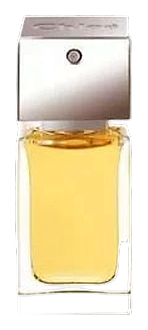
Marypierre Julien built Angel in 2011 as a deliberate counter to the aquatic and fruity scents dominating the Victoria's Secret lineup. Where most VS fragrances chased freshness, Angel went warm and complex, floral-heavy with a base built around oud, a material the brand hadn't committed to before. The plum and pink pepper opening was designed to hook fast, pulling wearers into something that felt both glamorous and unexpected. Angel marked a moment where the brand decided it could do more than crowd-pleasers.
The tension in Angel comes from what shouldn't work together but does. Violet, cool, powdery, almost austere, sits against oud's dark, animalic warmth. Gardenia adds cream without sweetness, letting the florals lean dusty rather than fruity. Pink pepper cuts through the plum's sweetness with a quiet spice. And ambergris, often buried in mass-market compositions, gets used as a structural element here, binding the florals to the base, giving the drydown real depth. It's a composition that takes risks, particularly for a brand known for accessibility.
The evolution
The opening hits plum and pink pepper within seconds, bright, slightly tart, with the pepper adding a quiet heat underneath the sweetness. Within ten minutes, violet sweeps in and shifts the temperature. The fruitiness doesn't disappear, but it cools, becoming part of the floral backdrop rather than the star. Gardenia arrives to thicken things, adding cream without tipping into sweetness. The oud begins its slow build around the thirty-minute mark, pushing through the florals like a whisper that keeps getting louder. By the second hour, the florals have softened into powder, and the base is all oud, musk, and ambergris, warm, slightly animalic, intimate. On fabric, the drydown can last into the next day.
Cultural impact
Angel occupies a specific corner of the VS catalog, not the mass-appeal fruity-florals, not the vanilla-and-musk crowd-pleasers. The oud and violet combination gives it a polarizing quality that serious fragrance people notice. It's the kind of VS release that converts skeptics, proof that the brand could do more than expected when it committed to complexity. Wearers tend to describe it as the VS fragrance that actually lasts, the one that turns heads, the one that made them reconsider the entire brand.
The House
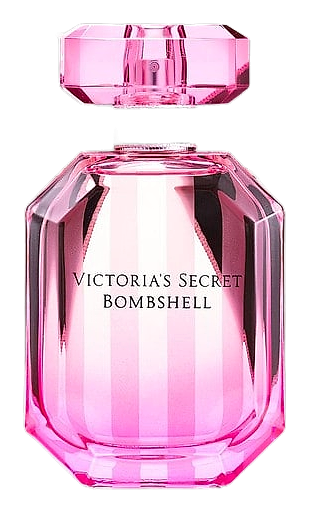
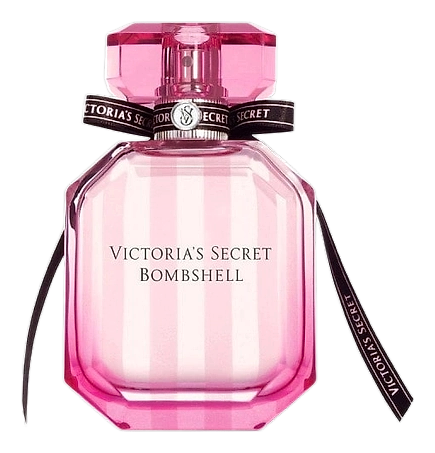
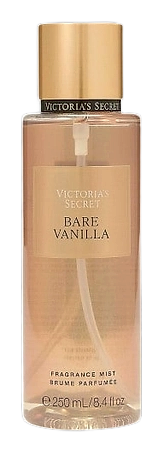
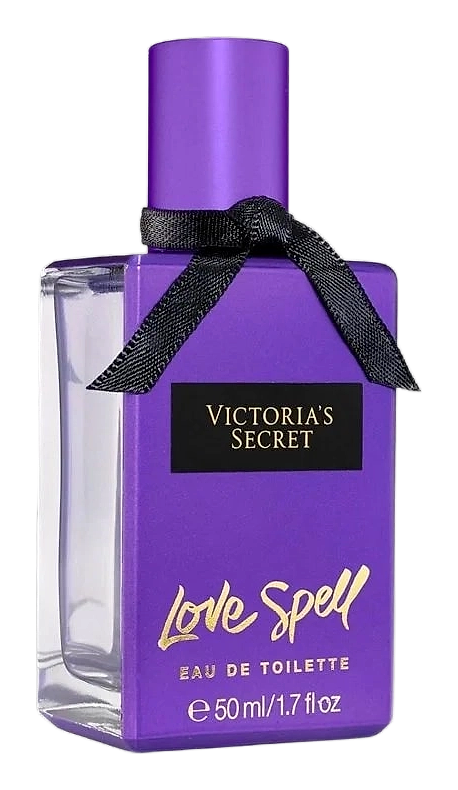
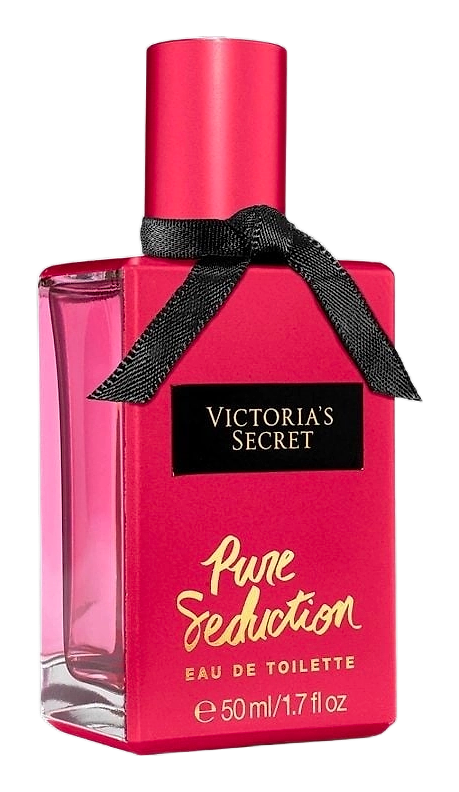
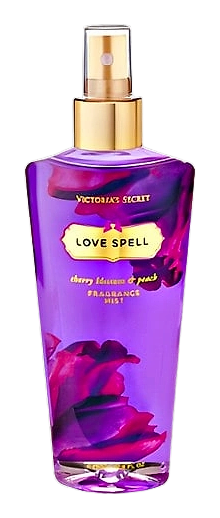
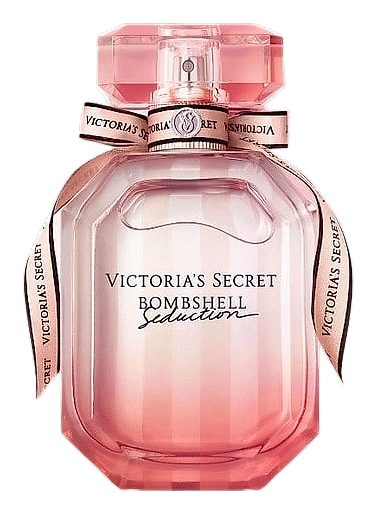
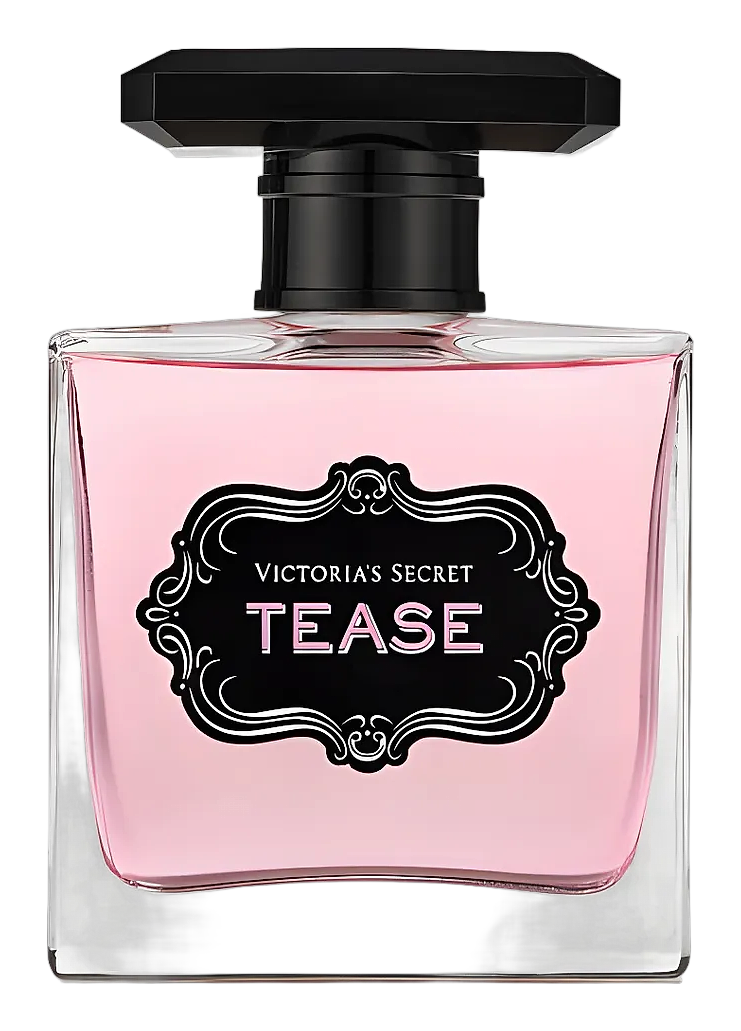
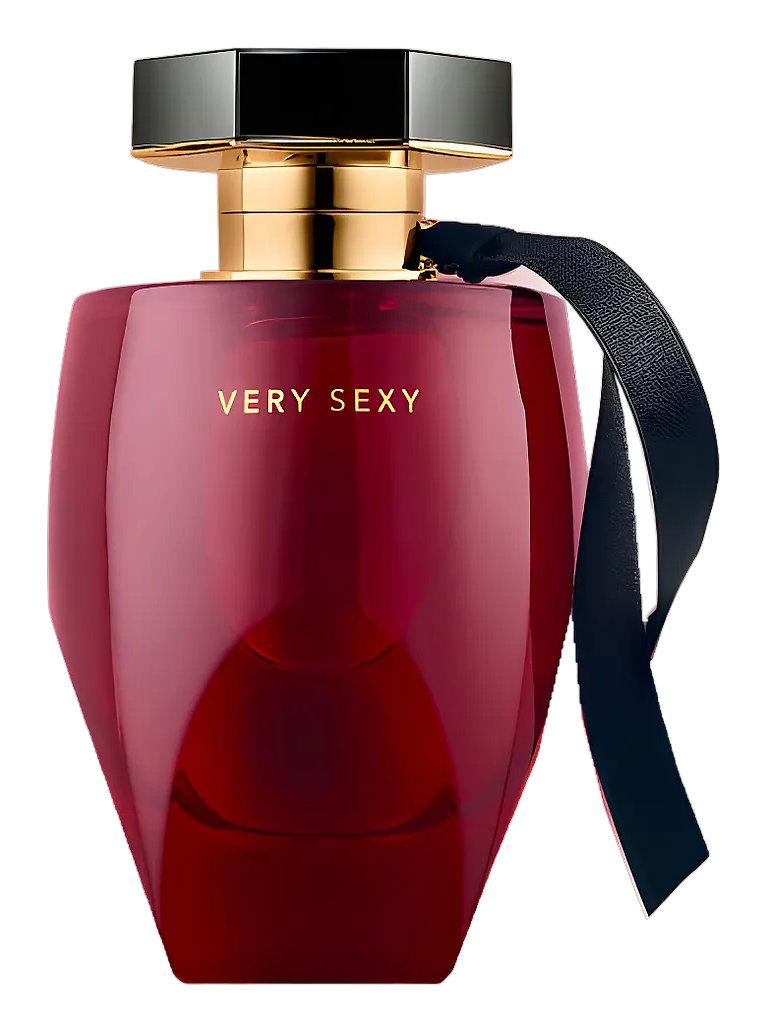
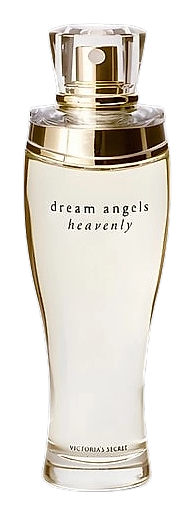
Victoria's SecretVictoria's Secret began as a San Francisco lingerie company founded in 1977 by Stanford graduate student Roy Raymond and his wife Gaye. The brand entered fragrance in 1989, launching its first perfume Victoria as part of a national magazine campaign. By the early 1990s, the company had grown to 350 stores nationwide with estimated sales of $1 billion. The beauty division grew substantially enough to generate nearly $1 billion in sales by 2006. Victoria's Secret fragrances are developed through Givaudan's Paris laboratory, the same fragrance house behind perfumes for Tom Ford, Prada, and Louis Vuitton. The brand works with a rotating roster of over 30 perfumers rather than a single in-house nose, creating scents for its Dream Angels, Very Sexy, Body, and Pink collections. Popular fragrances include Bombshell, Love Spell, Tease, and Heavenly, which ranked as the top-selling fragrance in the United States by both revenue and volume from 2005 to 2010. Victoria's Secret has won 20 Fragrance Foundation awards since 2001. The company offers fragrances alongside perfumed body care products including body mists, body lotions, and eau de parfum in various formats.
The Creator
Marypierre JulienHer signature lies in botanical precision and a particular gift for translating natural beauty into wearable form. Julien gravitates toward floral and herbal accords, her French sensibility softened by a Mediterranean directness.