The Story
Why it exists.
The beginning
Basic Instinct arrived in 2004, crafted by perfumer Harry Frémont. The name echoes the 1992 film, hinting at something assured and bold. Frémont built this around white florals and dark fruit, then grounded everything in patchouli and powder. The composition leans into deeper, more layered character than many of its counterparts, offering richness that unfolds over time rather than announcing itself all at once. It's a fragrance for someone drawn to complexity and nuance.
What makes Basic Instinct unusual is how the florals behave. Gardenia and tuberose are both heady, almost narcotic in their sweetness, together they could easily become overwhelming. The plum and apricot keep them tethered to something fruity and alive. The powder adds a finishing layer that transforms the overall effect into something that wears close to the skin, intimate rather than projected. This is where the fragrance shifts from bold to refined, balancing richness with subtlety in a way that feels personal rather than performative.
The evolution
The opening hits plum first, dark and immediately sweet. Apricot follows with a warmth that adds depth to the fruity opening. Within minutes, gardenia and tuberose arrive, not as a wall of florals but as a bloom that happens close to the skin. The patchouli appears as the top notes fade, keeping everything grounded, preventing the sweetness from floating away. The drydown is where Basic Instinct earns its reputation. The powder becomes the dominant character, softened by vanilla, with just enough warmth to make skin smell like skin but better. The sillage stays intimate and close, something that doesn't announce itself but definitely gets noticed.
Cultural impact
Basic Instinct occupies an unusual position in the Victoria's Secret catalog, a fragrance that stands apart from the brighter, more straightforward offerings in the lineup. The powder-forward drydown and dark florals made it a favorite among those seeking something more sophisticated. It carved out a space between accessible florals and something more complex, proving that a mass-market brand could offer a fragrance with real depth.
The House
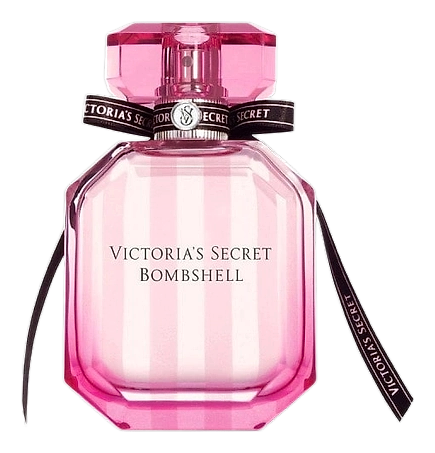
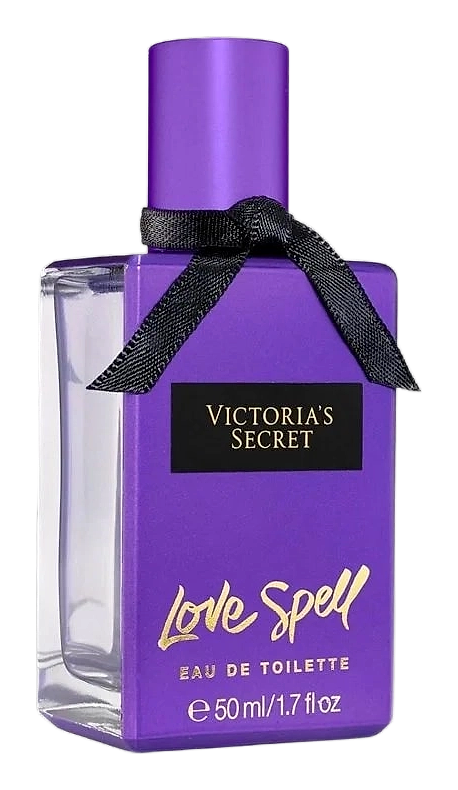
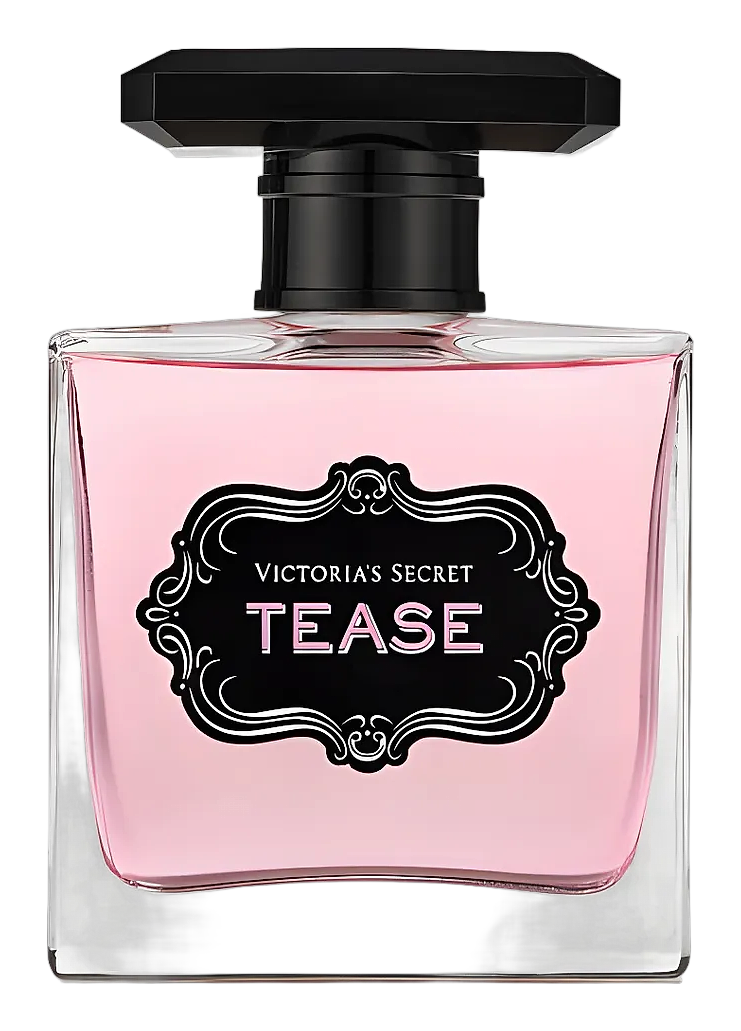
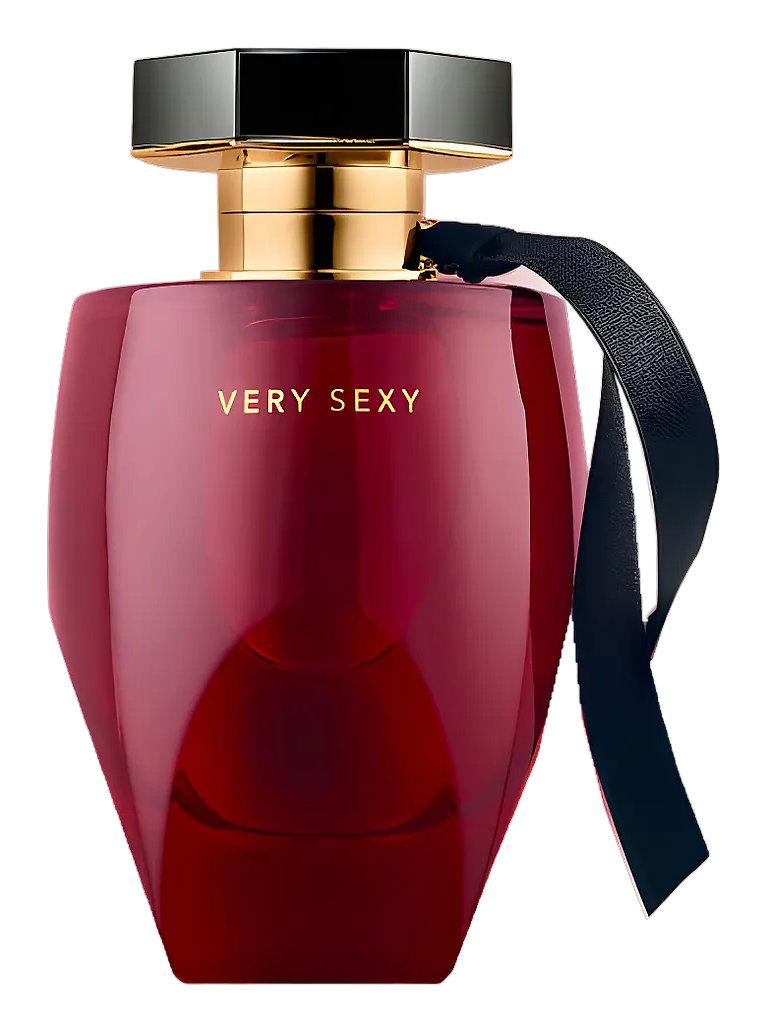
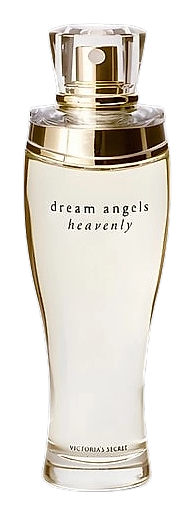
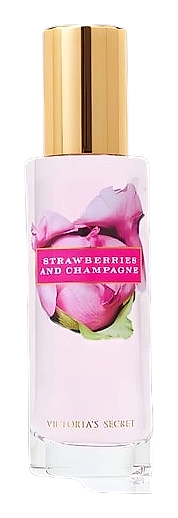
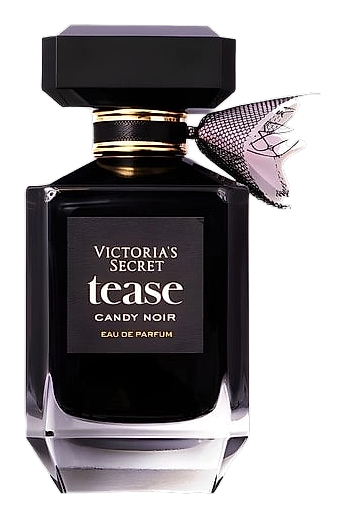
Victoria's SecretVictoria's Secret began as a San Francisco lingerie company founded in 1977 by Stanford graduate student Roy Raymond and his wife Gaye. The brand entered fragrance in 1989, launching its first perfume Victoria as part of a national magazine campaign. By the early 1990s, the company had grown to 350 stores nationwide with estimated sales of $1 billion. The beauty division grew substantially enough to generate nearly $1 billion in sales by 2006. Victoria's Secret fragrances are developed through Givaudan's Paris laboratory, the same fragrance house behind perfumes for Tom Ford, Prada, and Louis Vuitton. The brand works with a rotating roster of over 30 perfumers rather than a single in-house nose, creating scents for its Dream Angels, Very Sexy, Body, and Pink collections. Popular fragrances include Bombshell, Love Spell, Tease, and Heavenly, which ranked as the top-selling fragrance in the United States by both revenue and volume from 2005 to 2010. Victoria's Secret has won 20 Fragrance Foundation awards since 2001. The company offers fragrances alongside perfumed body care products including body mists, body lotions, and eau de parfum in various formats.
The Creator
Harry FrémontFrémont's style resists easy categorization. He works fluently across woody, floral, amber, and leather territories, with an especially strong command of vetiver and musks that has become something of a signature.