The Story
Why it exists.
The beginning
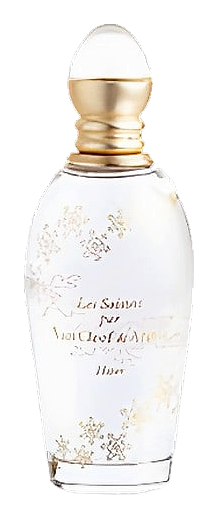
The Les Saisons collection arrived in 2004, a series that asked: what does a season smell like? Alberto Morillas designed Winter to subvert entirely. Rather than heavy woods and warm resins, he gave it lime and musk, a fragrance that captures the idea of cold air rather than cold earth. The contradiction was the point. Named Hiver but built for warmer skin, the fragrance became the quietly defiant member of the Les Saisons family. Where Spring bloom and Summer heat performed their names faithfully, Winter refused the assignment. On skin, it reads as cool, crisp, almost aquatic, citrus that doesn't shout, spice that doesn't burn. The kind of composition that earns respect without demanding attention. Morillas, whose career spans everything from ck One to Creed Silver Mountain Wind, understood that restraint is its own statement. For a house built on the whisper of precious stones, this was the right kind of quiet.
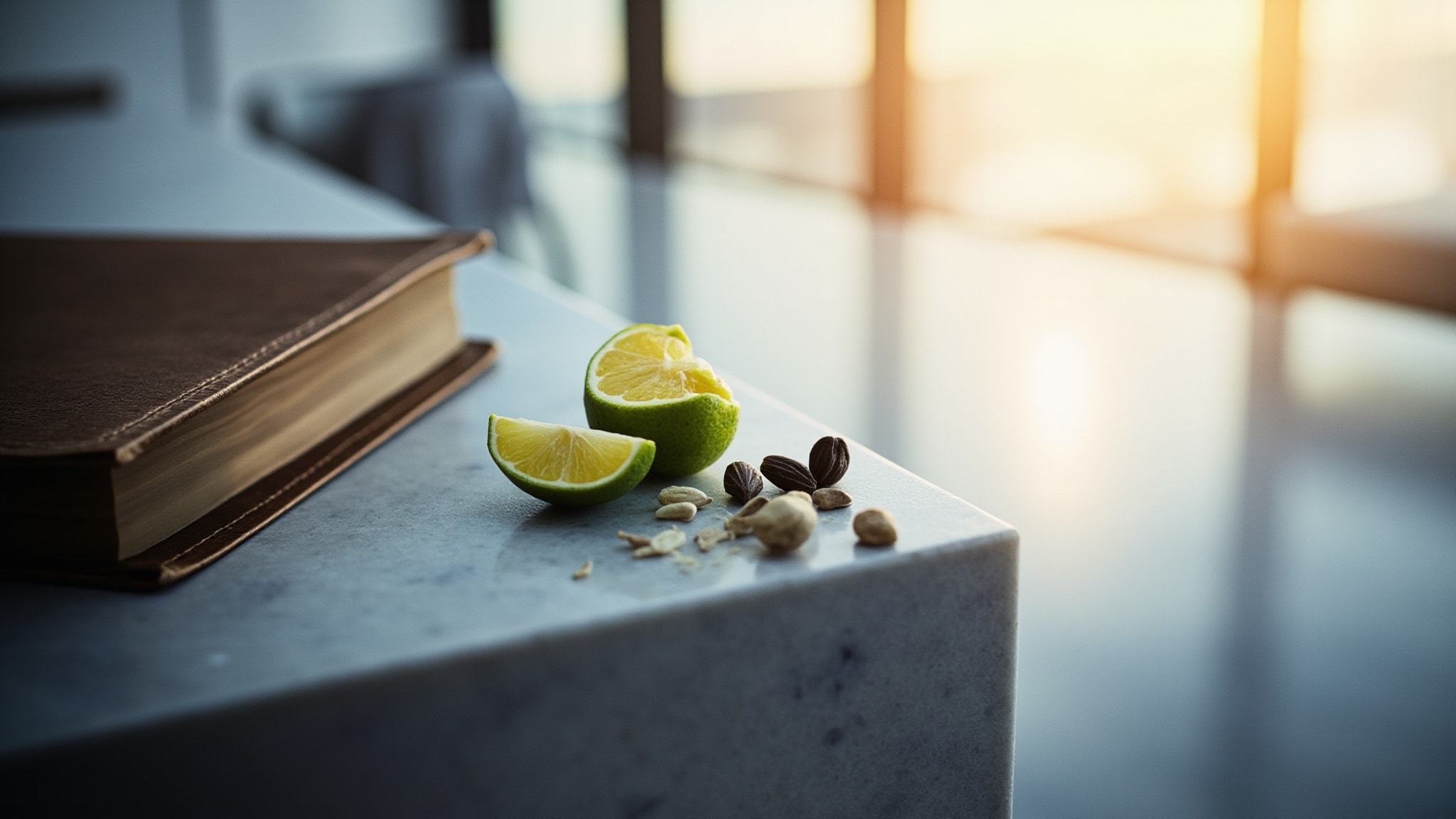
The note structure is unusually direct: lime and cardamom open, then hand off to a heart where white pepper and musk create something cool and slightly metallic. The amber base doesn't warm so much as anchor, it keeps the whole thing from floating away. What's interesting is the linearity. Most fragrances evolve; Les Saisons Hiver arrives and stays. The lime doesn't fully disappear, it recedes into the musk, becoming more of an impression than an ingredient. This is the criticism and the compliment in one: it's consistent, for better or worse. The 4-6 hour longevity matches that character, present but never demanding, intimate by design. The white pepper is the quiet surprise.
The evolution
The opening hits bright, lime sharp and immediate, with cardamom lending a faint green spice underneath. Within minutes the citrus begins its slow retreat, but it doesn't vanish. It settles into the composition like a memory of something sharper. By the heart phase, the white pepper arrives. This is where the fragrance earns its cool reputation, there's a metallic cleanliness to this stage that feels more like winter air than any pine or cedar could deliver. The musk threads through here, keeping the pepper from becoming sharp, adding a softness that prevents the whole thing from reading as clinical. The base is where Les Saisons Hiver becomes itself. Amber holds, but it's not a heavy amber, it's more of a warmth that stays close to the skin rather than filling a room. The sillage is moderate by design; this is a fragrance that asks to be leaned into, not announced. On most skin types, expect 4-6 hours. The drydown is quiet, that cool musk fading into something almost powdery, barely there.
Cultural impact
The 2004 seasonal collection from Van Cleef & Arpels marked a shift in how luxury houses approached limited editions. Rather than relying on heavy winter accords, Alberto Morillas designed Hiver around cool, fresh notes that challenged the assumption that cold weather demands warm resins. The collection reflects early 2000s minimalism in perfumery, when restraint was gaining favor over opulence. Hiver remains notable for its unusual positioning: a winter-named fragrance that performs best in warmer months, suggesting the house prioritized artistic concept over seasonal marketing logic.