The Story
Why it exists.
The beginning
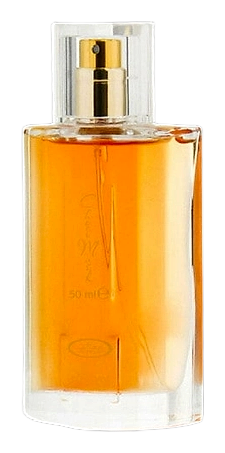
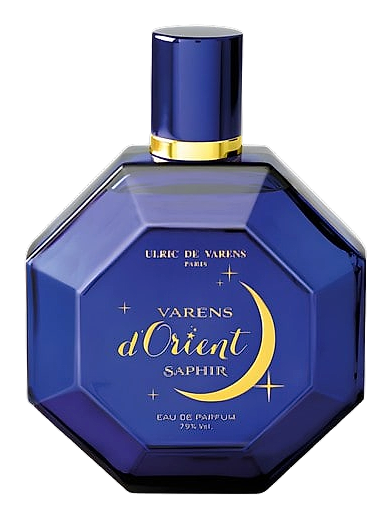
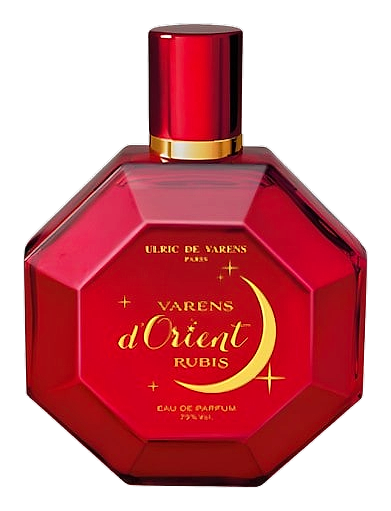
Rubis is the second chapter in Ulric de Varens' Varens d'Orient collection, following Sapphire into the house's vision of accessible Eastern luxury. By 2016, the brand had spent three decades building a catalogue that refused to choose between wide appeal and interesting scent. The Rubis was the answer to a specific brief: what does a precious stone smell like when you translate it into something anyone can wear? Henri Bergia worked with that question directly. The result isn't a literal interpretation of ruby, it's the feeling of something rare made approachable.
The architecture is worth noting. Pear as a top note in an Oriental composition is unusual, it's a fruit that typically reads fresh and fleeting, a bridge between bright citrus openings and deeper hearts. Here, Bergia uses it to delay the jasmine. The sambac doesn't arrive immediately. It waits behind the fruit, and when it finally surfaces, the labdanum is already there to give it somewhere warm to land. That's not an accident. It's a deliberate pacing, a slow reveal that keeps the fragrance from feeling heavy even as the oud settles underneath.
The evolution
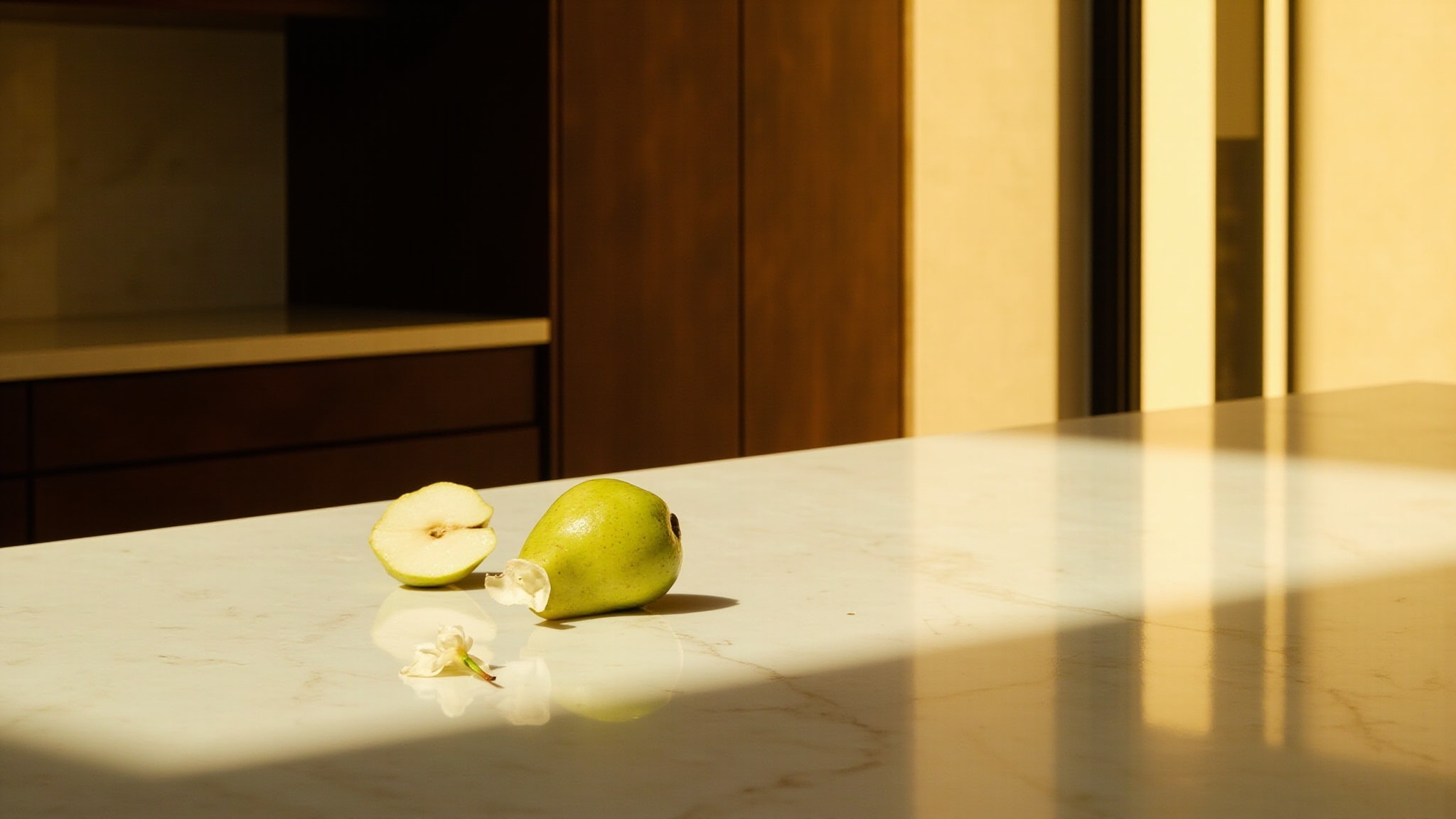
The first thirty minutes belong to the pear. Crisp, almost dewy, with just enough weight to suggest something more than a standard fruity opening. Then the jasmine emerges, not the sharp indolic jasmine of some interpretations, but the warmer, rounder sambac that carries a honeyed undertone from the labdanum already working beneath it. By hour two, the oud begins its slow rise. It doesn't overpower. It anchors. The musk follows, wrapping around the wood and staying close to the skin. At hour four, the fragrance has settled into something quieter but still present, a skin-warm Oriental that reads as personal rather than ambient. It doesn't fill a room. It leaves a trace.
Cultural impact
Varens d'Orient Rubis arrived during a period when Western audiences were developing broader appreciation for Oriental fragrance families, a trend that accelerated through the 2010s as travel and e-commerce made niche and Middle Eastern-influenced scents more accessible. The 2016 launch positioned itself within Ulric de Varens' broader strategy of offering approachable interpretations of typically bold olfactory territories. Rather than competing in the luxury niche segment, the Varens d'Orient collection sought to introduce consumers to oud and labdanum through gentler, everyday compositions. This democratizing approach reflected a wider cultural shift in perfumery, where traditional boundaries between mass-market and niche fragrances blurred.