The Story
Why it exists.
The beginning
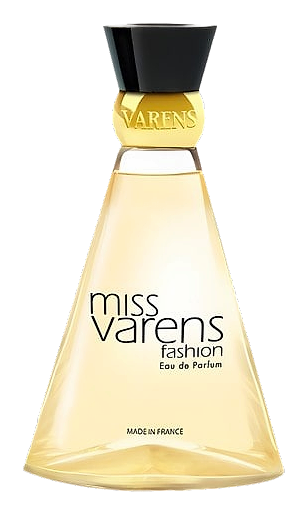
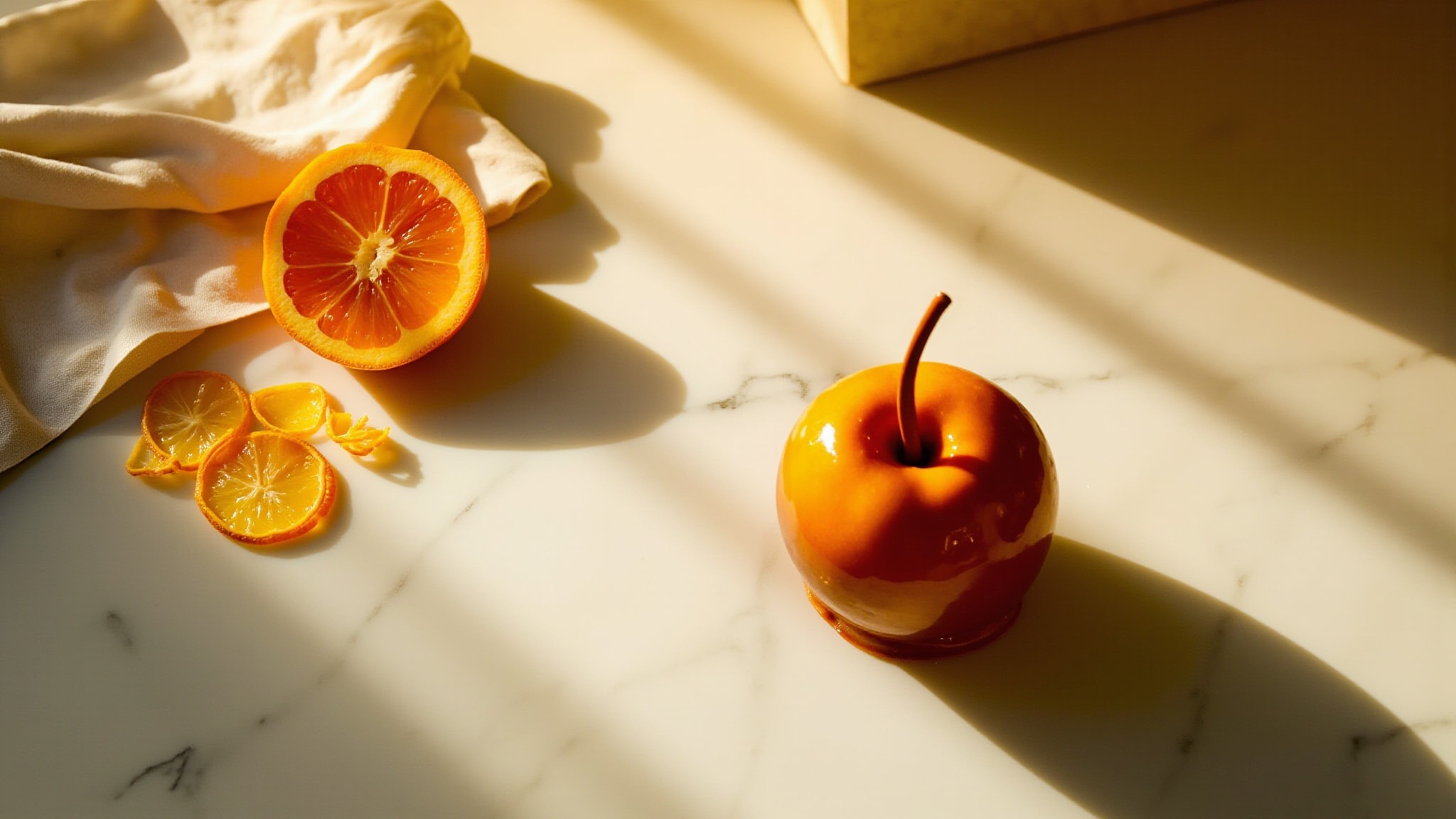
Miss Varens Fashion arrived in 2012 as part of the broader Miss Varens collection, a line Ulric de Varens built to offer accessible, fashion-forward fragrance options. The house had spent decades proving that French perfume culture didn't require a luxury budget, and this release leaned into that philosophy with a composition that smelled like the idea of dressing up, not the act itself. Candy apple, honey, and orange were arranged into something bright and pleasurable, the kind of scent that makes you reach for your wrist without thinking. It wasn't trying to reinvent anything. It was trying to make people smell good and feel good about it.
What makes Miss Varens Fashion interesting is the way honey and patchouli sit together in the drydown. Honey is forgiving, it rounds edges, adds body, makes everything around it feel warmer. Patchouli is the opposite: earthy, slightly sharp, stubborn. Most fragrances keep them apart or let one dominate. Here they negotiate. The raspberry and candied apple in the heart give the honey somewhere to shine without drowning in itself, and the patchouli arrives late enough that it feels like a correction rather than a contradiction. It's not a sophisticated trick, but it's an honest one, the kind of choice a perfumer makes when they know exactly who will wear this and when.
The evolution
The opening is immediate: orange zest brightens the air, and within seconds candied apple arrives, that specific sweetness of caramel-coated fruit, the kind you find at outdoor markets. The honey doesn't rush. It builds over the first thirty minutes, thickening the composition until the heart reads as warm rather than bright. Raspberry emerges around the one-hour mark, adding a tartness that pushes back against the sweetness without overpowering it. The amber and patchouli become apparent by hour two, giving the fragrance its weight. By hour three, the orange has faded and the candied apple softens into something skin-close, almost edible. Patchouli lingers longest, a faint earthiness that prevents the drydown from becoming pure sugar. On fabric, the honey and raspberry stay detectable into hour five or six. On skin, closer to four. Miss Varens Fashion doesn't project far, but it doesn't need to. It's the kind of fragrance you notice when you're standing close.
Cultural impact
Discontinued now, Miss Varens Fashion has found a second life among fragrance enthusiasts who track down what the mainstream moved past. It's not a collector's grail, there are no waiting lists or secondary market premiums, but it's a scent people seek specifically because it no longer exists at every counter. The honey-forward gourmand direction it takes was part of a broader movement in the early 2010s toward accessible sweetness, and it holds up against better-known competitors in that space. Wearers who connect with it tend to describe it as the fragrance they wish more people knew.