The Story
Why it exists.
The beginning
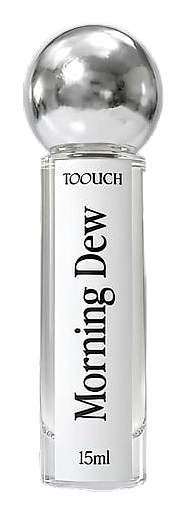
Morning Dew arrived in 2025 from Toouch, the work of Truong Chieu Sy, who is listed as the brand's owner and perfume maker. The scent draws its name from a specific moment: the stillness that follows sunrise, when the air still holds the night's coolness and the world hasn't quite committed to the day. That suspended pause became the structural idea behind the composition, the one where everything feels possible because nothing has been decided yet. It's part of Toouch's All Day Bloom collection, a line built around a quiet, early-morning register, where the opening minutes of the day take priority over the warmer, heavier territory that other entries in the range might explore.
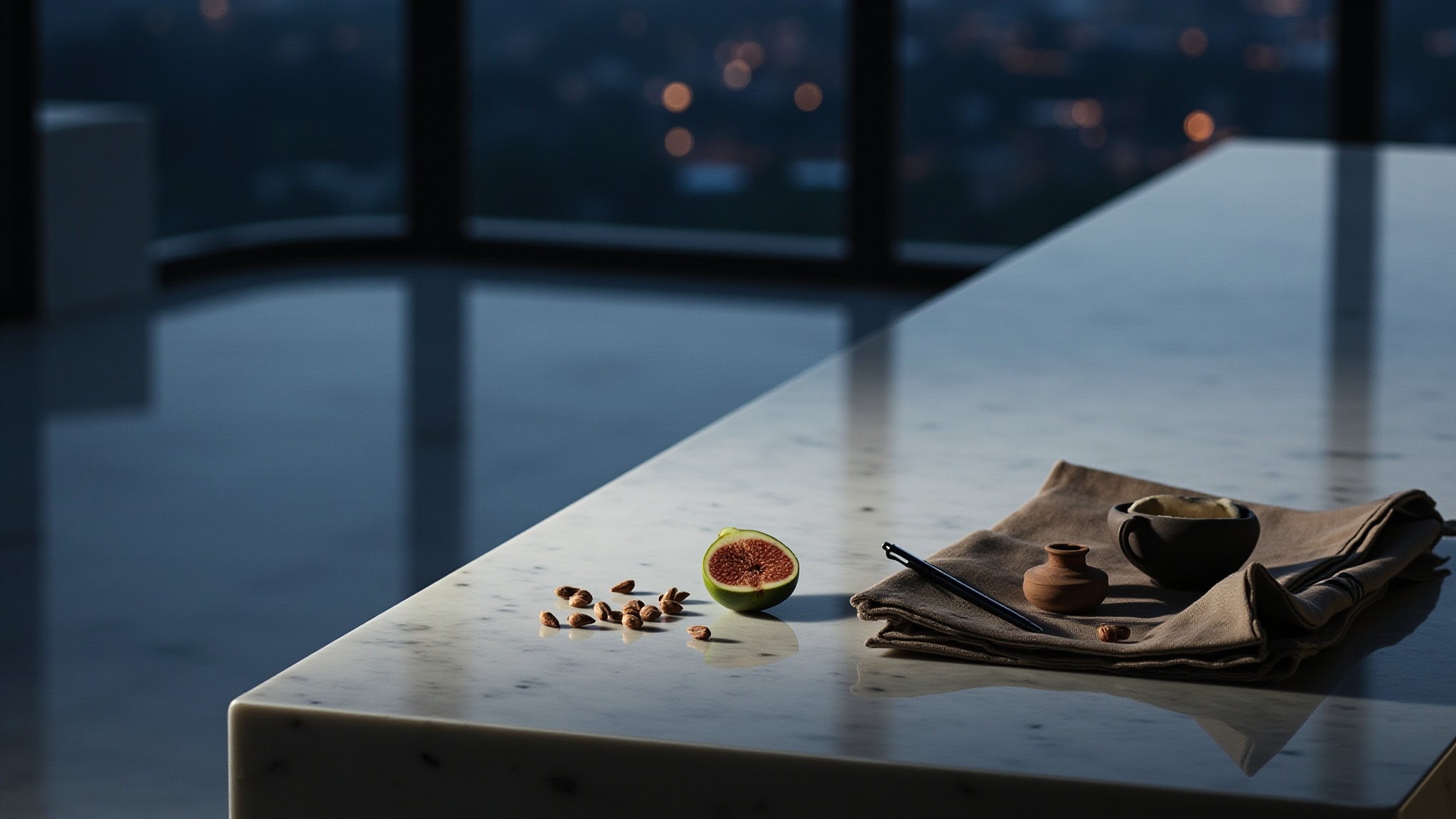
What sets this apart is the restraint. The top notes, cardamom, green fig, and red berries, could have leaned into sweetness, but the cardamom pulls everything slightly savory, like cracked pepper on a green fruit. The heart of papyrus and white cedarwood is the structural pivot: papyrus brings that dry, almost papery quality you find in old books or sun-baked reeds, while white cedarwood adds a creamy wood grain that keeps the blend from going brittle.
The evolution
First 15 minutes and Morning Dew is all cool fruit and spice. The fig is green, the way it smells when you cut one before it's fully ripe, and the cardamom has a dry heat that keeps the berries from tipping into jam. That opening is the most explicit part of the fragrance, the one where people across the table notice it, and the cardamom's savory edge is what stops the fruit from collapsing into something candied. There's a brightness to the red berries that flickers rather than glows, the kind of effect you get when a note is treated as accent rather than lead, and the fig grounds it with a slightly bitter, leafy quality that recalls the inside of a fig leaf more than the flesh of the fruit itself. By the 30-minute mark, the berries recede. Papyrus arrives, and with it, the scent changes register entirely.
Cultural impact
Morning Dew sits within Toouch's All Day Bloom collection, a line that seems to treat fragrance as a way of marking time, with each entry occupying a different register within a single conceptual day. Morning Dew is positioned at the start of that arc, a composition interested in the earliest hours, when the air is still cool and the day hasn't yet committed to a direction. What makes the scent interesting in context is how little it pushes. There's no obvious regional signaling, no heavy-handed attempt to make the fragrance mean something beyond what it is, just a clean, considered execution that lets the notes do the work.