The Story
Why it exists.
The beginning
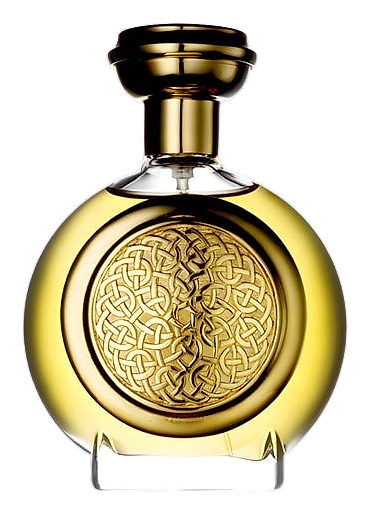
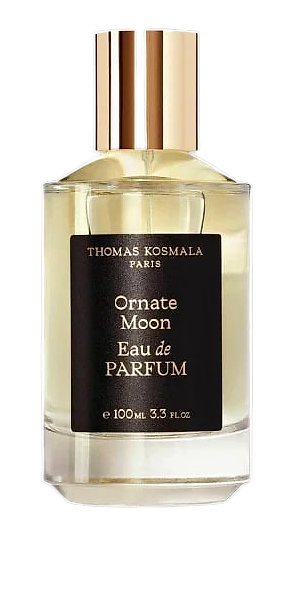
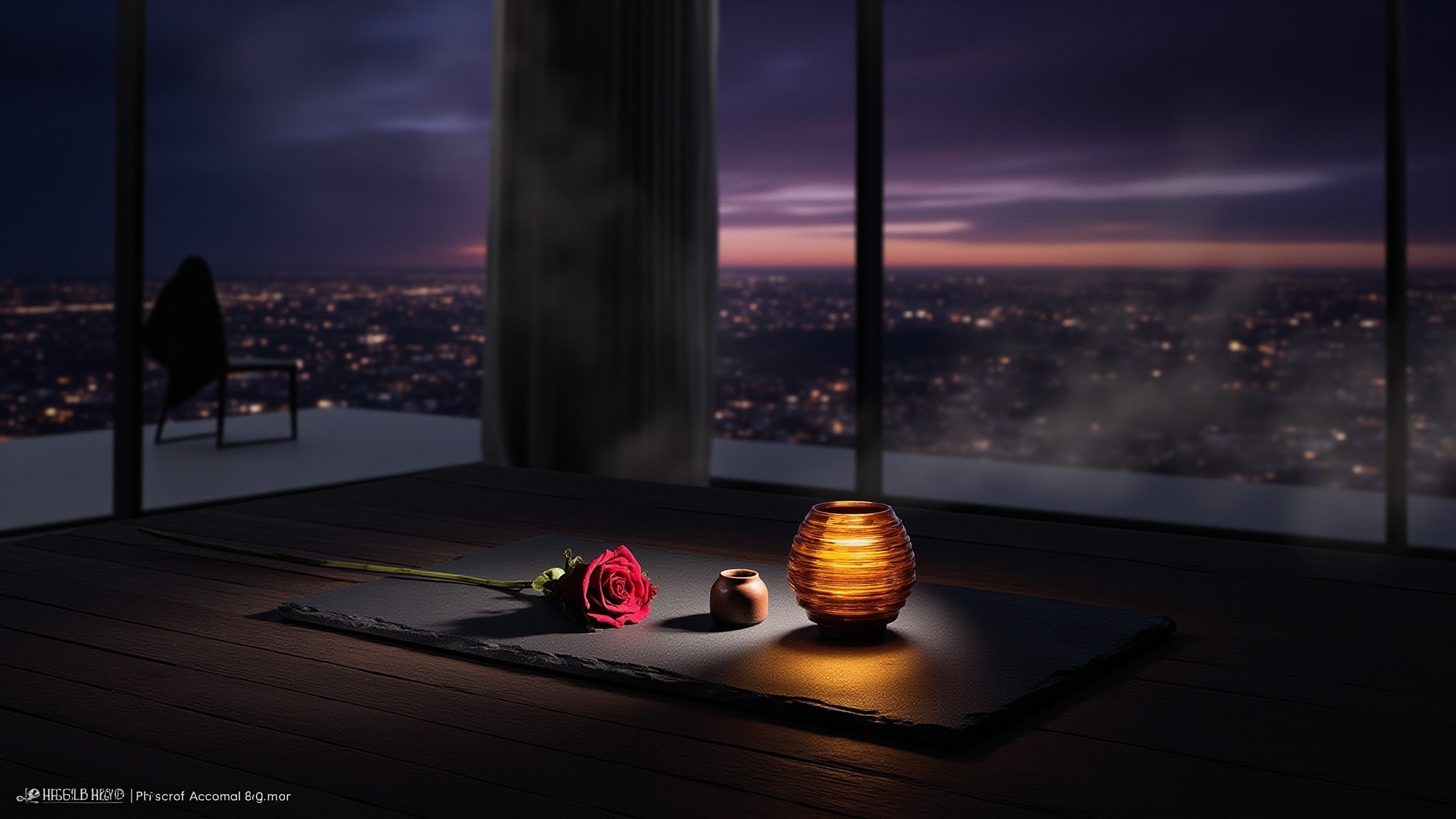
Thomas Kosmala named this fragrance after a specific kind of night, the ornate moon that rises over vast, dark landscapes. The brief was simple: bridge the modern and the traditional, the Western and the Eastern. Burning incense and oud to capture the spirit of old trade routes. Rose and vanilla to soften the edges, to make it wearably mysterious instead of simply heavy. The perfumer was building toward something that could belong to anyone, anywhere, regardless of gender or occasion. Ornate Moon is what happens when tradition decides to be generous.
The rose and incense pairing is not new, it's ancient, in fact. But the way Kosmala handles it here keeps it from feeling like a pastiche. The rose essential oil opens bright and almost medicinal before the incense smoke arrives to ground it. Then vanilla and iris take over the middle, creating a creamy, powdery warmth that feels like a door opening onto a sunlit room after hours in the cold. The real architecture, though, is the oud. It doesn't announce itself. It builds underneath everything else, patient, giving the fragrance its staying power. The structure is deceptively simple, three acts that feel like one continuous breath.
The evolution
The first five minutes announce themselves clearly: rose and incense, bright and smoky in equal measure. Not aggressive, but present. Within the first hour, the vanilla softens the sharper edges and the iris adds its powdery, slightly floral character, this is the heart of the fragrance, the part that makes people lean in rather than step back. By hour three, the oud has taken over. It's warm, resinous, and animalic without being dirty. On some skin types, the musk and amber become more pronounced as the hours pass, creating a skin-like warmth that lingers past the eight-hour mark on dry skin. What surprises most people is that the rose never fully disappears, it haunts the drydown, faint but present, like a memory of the opening.
Cultural impact
Ornate Moon enters a fragrance landscape that has grown more sophisticated about orientals. The rose-and-incense opening offers an accessible entry point for those who find pure oud compositions intimidating, while the vanilla-iris transition keeps it warm enough for daily wear. It's the kind of fragrance that bridges collections, interesting enough for enthusiasts, approachable enough for someone building their first serious wardrobe. The 2024 launch aligns with a broader trend toward genderless compositions that refuse easy categorization, positioning itself not as a statement but simply as a well-made option for anyone who wants it.