
The Story
Why it exists.
The beginning
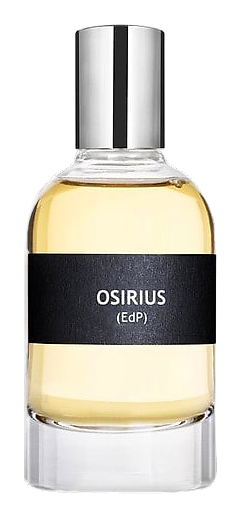
Osirius comes from Rodney Hughes, the perfumer behind Therapeutate Parfums. Its origin story remains private, but the name and composition point toward something larger than a simple floral: a fragrant world in tension. Rose, mimosa, violet, and tuberose bring color, while galbanum and oakmoss root that softness in green earth. Bergamot appears at the opening alongside violet and galbanum. Cognac, cinnamon, and black pepper add further notes to the composition, introducing a different kind of depth alongside the floral materials. Cypress, rosewood, guaiac wood, and sandalwood complete the structure with woody elements. It is a fragrance built around contrast, with every floral note balanced by mineral, aromatic, or woody materials.
What makes Osirius worth noticing is the collision between water and earth suggested by its composition. Galbanum sits beside rose and mimosa, while oakmoss brings the floral heart into contact with damp bark and green earth. Cognac, black pepper, and cinnamon add further dimensions to that balance. Cypress, rosewood, guaiac wood, and sandalwood keep the composition grounded, so the result feels less like a bouquet than a single, unusual arrangement of floral, green, woody, and aromatic notes. The unisex framing makes sense here.
The evolution
The first impression is lucid, with bergamot, galbanum, and violet creating a green impression. Rose, mimosa, geranium, ylang-ylang, and tuberose then gather into a richer floral heart, joined by cognac, cinnamon, and black pepper. Oakmoss connects that bloom to the earth, while sandalwood and guaiac wood lend a polished inner warmth. As the opening fades, violet, rose, mimosa, and ylang-ylang remain part of the floral composition. Cypress and rosewood emerge more clearly, with oakmoss providing a dark thread through the structure. Across the wear, the composition moves between its floral, green, woody, and aromatic materials, with spice remaining close to the scent profile throughout.
Cultural impact
Osirius reflects a fragrance practice built around the meeting of contrasting materials. Its floral notes include rose, mimosa, violet, geranium, ylang-ylang, and tuberose, while galbanum and oakmoss introduce green and earthy elements. Bergamot shapes the opening, and cognac, cinnamon, and black pepper add further contrast. Cypress, rosewood, guaiac wood, and sandalwood anchor the composition with woody notes. The result is a layered fragrance that invites attention to the relationships between flowers, earthier materials, spice, and wood.
The House
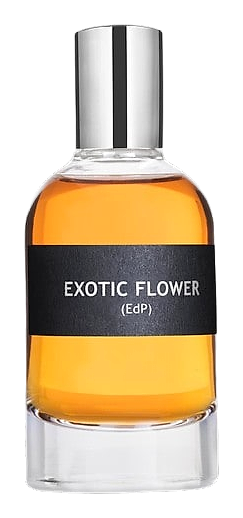
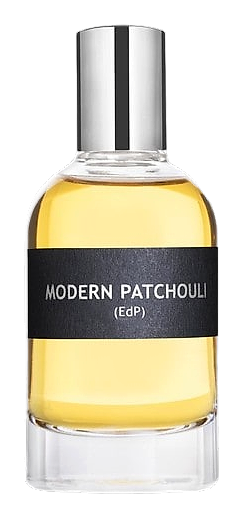
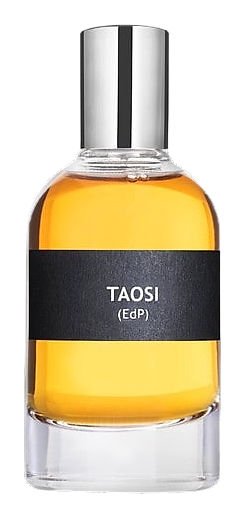
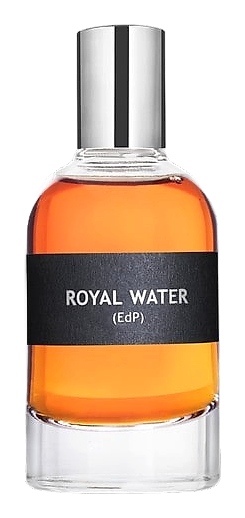
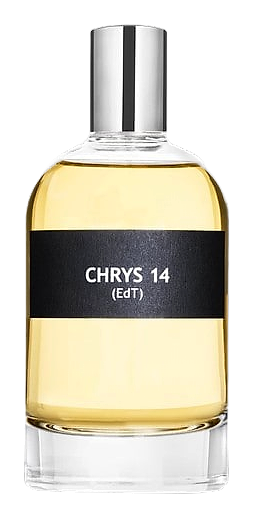
Therapeutate ParfumsTherapeutate Parfums is a New York fragrance house founded by Rodney Hughes. Its identity sits between natural perfumery and artistic storytelling, with compositions built around expressive names such as Cardamom Rose, Osirius, Exotic Flower and Chrys 14. The catalogue also includes scents introduced in 2017, including Halo/gm, Le Fumoir and Rubeus, giving the house a varied archive of floral, smoky, herbal and aromatic ideas. A review of Taosi describes fresh herbal and citrus notes lifted by pepper, nutmeg and mint, a detail that points to the vivid, layered character of Hughes's work.
The Creator
Rodney HughesHughes builds with naturals at the center. Resins, florals, woods, and freshly distilled essential oils carry his compositions, and he leans on aromatic materials that feel alive rather than abstracted.