





Heritage
A house, in its own words
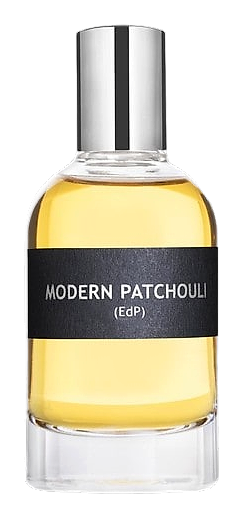
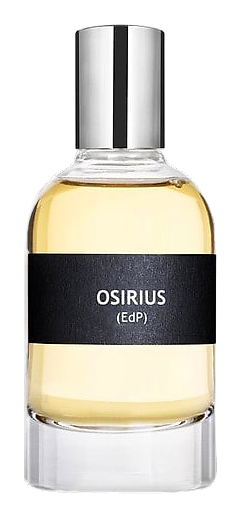
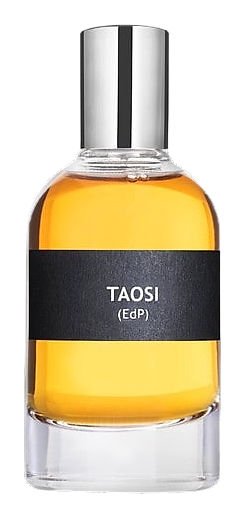
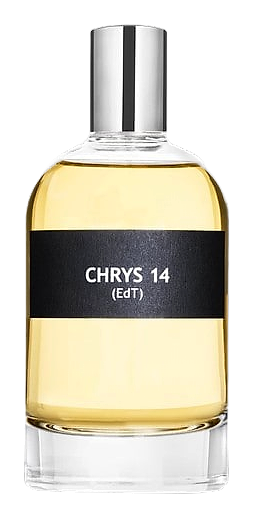
Therapeutate Parfums emerged in New York under the creative direction of Rodney Hughes, who presented the house as a certified natural perfume brand using organic and wild-harvested materials. The available research does not establish a more precise founding date, nor does it provide a detailed account of the company's early years, so the house's history is best understood through its founder, its stated material standards and its expanding catalogue. The name Therapeutate suggests a connection between fragrance and wellbeing, while the individual perfume titles give the work a more personal, narrative dimension. Fragrance Review's account of Taosi places that release within a broader practice of composing clear opening notes followed by more textured developments. The later releases listed in the brand archive, including Halo/gm, Le Fumoir and Rubeus in 2017, show a catalogue that moves between bright aromatic compositions and darker, atmospheric ideas. No perfumer credits are linked to these releases in the supplied research, leaving Hughes as the central identifiable creative figure without assigning formal authorship to every formula. Therapeutate Parfums appears to treat perfumery as a meeting point between nature, sensation and narrative. Its use of the term natural is tied in published descriptions to organic and wild-harvested raw materials, giving the brand a material foundation rather than a purely abstract fragrance concept. At the same time, the names of its perfumes invite interpretation. Cardamom Rose suggests a dialogue between spice and floral softness, Exotic Flower opens the door to botanical imagination, and Le Fumoir evokes smoke and intimacy. Histoires de Parfums, a separate fragrance house included in the research, describes its fragrances as stories to be read on skin. That language resonates with Therapeutate's naming approach, but it should not be treated as a direct company statement. The available evidence points to a creative vision that values recognizable materials, contrasting aromatic families and the emotional character of a scent. Rather than presenting perfumery as a single house style, the catalogue spans freshness, spice, florals, smoke and patchouli, allowing each composition to develop its own atmosphere.