The Story
Why it exists.
The beginning
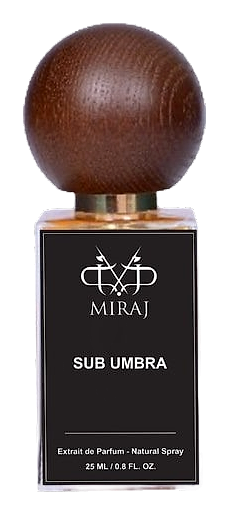
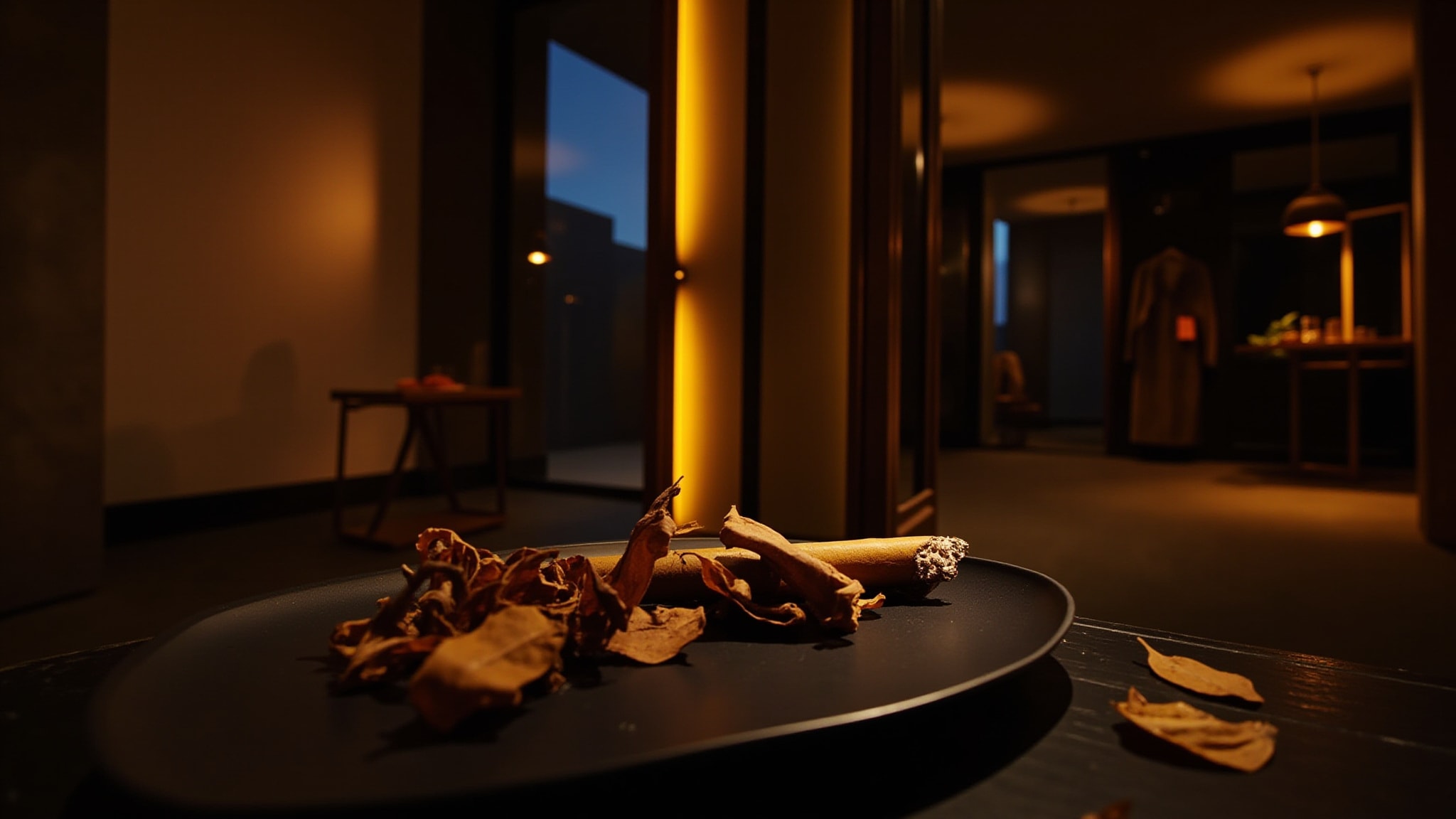
Sub Umbra arrived in 2024 from Abderrahim Larhrissi and The House of Miraj. The name is connected to the moon's shadow, and that association gives the fragrance a darker, more introspective character. Rum and tobacco create a low-lit combination, with patchouli adding an earthy foundation and amber bringing warmth to the composition. The result is layered without relying on a single dominant impression. Rum contributes a sweet, boozy quality, tobacco adds dry and papery texture, patchouli lends an earthy depth, and vanilla rounds the sharper edges. Amber holds these different facets together, giving Sub Umbra a warm, softly shadowed profile.
What makes Sub Umbra worth a closer look is the way its notes meet. Patchouli brings earthy, almost forest-floor depth. Tobacco and rum move in contrasting directions, one dry and papery, the other sweet and boozy. Amber and vanilla soften the space between them, adding a creamy warmth that makes the combination feel cohesive. The earthiness grounds the scent, while the sweetness keeps it approachable and the tobacco prevents it from becoming overtly sugary. Together, the notes create a fragrance that feels warm, dark, and textured, with enough contrast to remain interesting.
The evolution
Sub Umbra combines rum, tobacco, patchouli, amber, and vanilla into a warm and layered fragrance. Rum brings a sweet, boozy impression, while tobacco contributes dry, papery texture. Patchouli adds an earthy depth that gives the composition weight, and amber supplies a warm, softly resinous quality. Vanilla smooths the sharper facets and lends a rounded sweetness. As the scent develops, rum and vanilla can make the first impression feel generous and enveloping, while tobacco and patchouli introduce a drier, more grounded character. Amber remains important to the overall effect, holding the sweetness, earth, and dryness in balance. The result is a fragrance that can move between lush warmth and shadowed depth.
Cultural impact
Sub Umbra can be understood through the contrast at the center of its composition. Rum contributes sweetness and a boozy impression, while tobacco introduces a dry, papery texture. Patchouli adds an earthy foundation, and amber and vanilla soften the darker notes with warmth and rounded sweetness. This interplay gives the fragrance broad appeal without making it easy to reduce to a single mood. It suits those drawn to scents that move between sweetness and shadow, richness and dryness. The combination is especially notable for the way familiar gourmand notes take on a deeper, more textured character through tobacco, patchouli, and amber.
The House
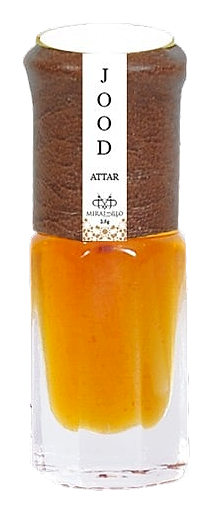
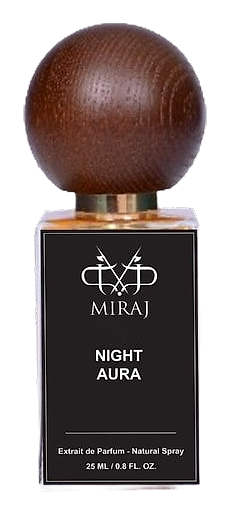
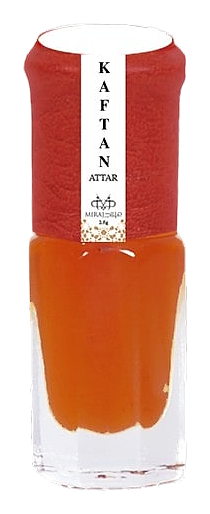
The House Of MIRAJThe House of Miraj stands apart as a Moroccan fragrance house built on the conviction that scent carries memory, geography, and emotion in equal measure. Founded by Abderrahim Larhrissi, who serves as House Master Perfumer, the brand channels a deeply personal approach to composition. Each fragrance draws from a global palette of rare natural ingredients while maintaining a sensibility rooted in Moroccan olfactory traditions. The house has developed a portfolio that includes Kaftan, Arabesk, Jood, Night Aura, and Cedar Marrakech among others, spanning scents inspired by place, heritage, and sensory memory. The House of Miraj operates as a niche fragrance house, producing limited expressions that prioritize authenticity of material over commercial accessibility.
The Creator
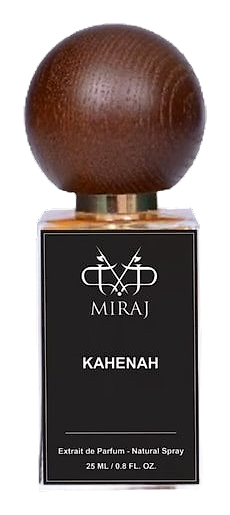
Abderrahim LarhrissiLarhrissi's signature lies in the marriage of green, resinous materials with luminous citrus. Juniper, fir and cypress form a backbone in his work for Kahenah, bringing a crisp, aromatic quality that recalls forests and mountain air.