The Story
Why it exists.
The beginning
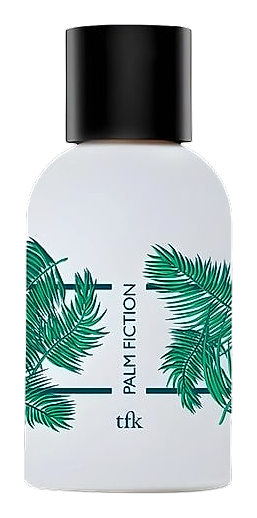
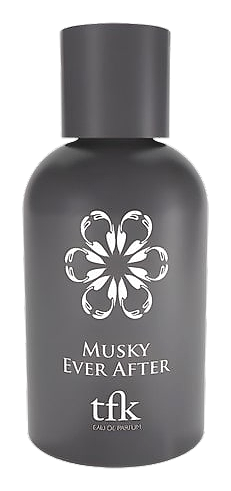
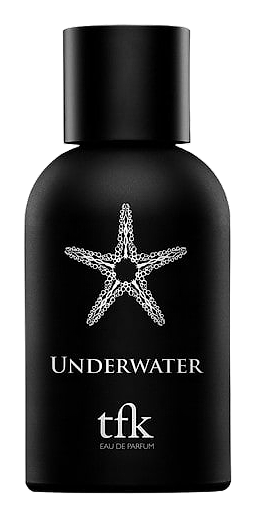
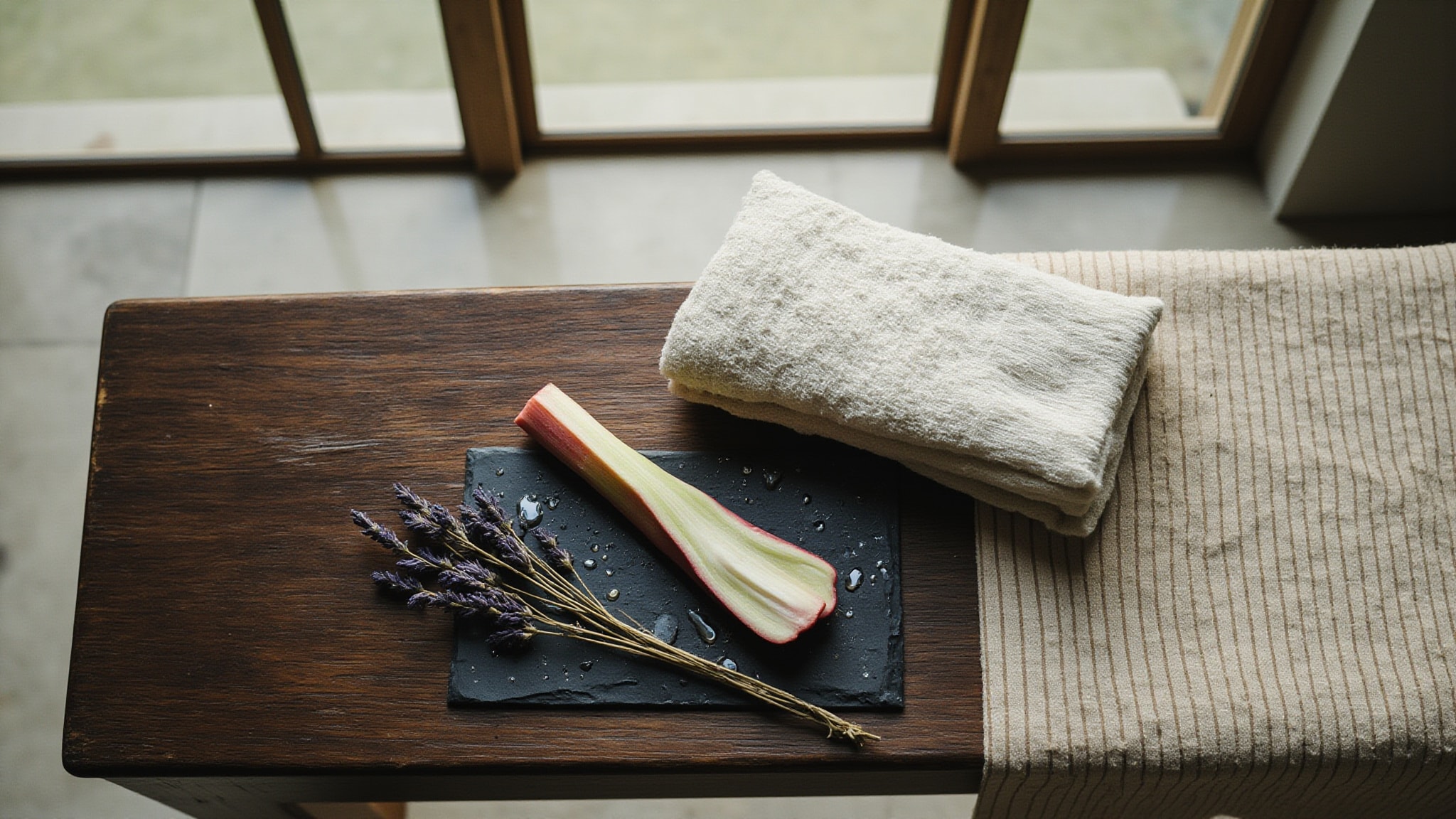
Most fragrances named Underwater lean aquatic. This one doesn't. The Fragrance Kitchen built a catalogue around a range of compositions, and Underwater sits firmly within a green, mossy, lavender-led structure rooted in classical European perfumery traditions. A fougère rather than a heavy oriental, it reads as a quiet statement of range. The rhubarb is the tell. Where many fougères open with citrus, this one starts with something sharper and more unexpected, a fruit note that reads almost tart before the lavender sweeps in to soften the edges. The rhubarb has a vegetal snap to it, the kind of scent you associate with rhubarb forced in early spring, before the stalks have sweetened into dessert territory.
Fougère is one of perfumery's oldest structures, built around lavender, oakmoss, and a woody base. Rhubarb is a rare choice for the top of a fougère, where bergamot or lemon usually sits. The sour, vegetal edge of rhubarb pushes against the lavender's herbal sweetness rather than supporting it, creating a tension that defines the character of Underwater from the first spray onward. The result feels like a contemporary read on a centuries-old form. The oakmoss and sandalwood anchor it in tradition, but the rhubarb keeps it from feeling like a museum piece.
The evolution
The first ten minutes are rhubarb, almost aggressively so. Tart, green, with the faint sweetness of a fruit that hasn't fully ripened. Then the lavender arrives and the composition exhales. Not sharp lavender, not the kind that smells like a fresh towel, but something rounder, slightly powdery, settling into the skin like dust on linen. By the second hour, the base is fully present. Oakmoss gives it that earthy, forest-floor quality, the smell of damp bark and decomposing green. Sandalwood and cedar warm the bottom without making it heavy. The whole thing stays close to skin rather than projecting outward. The next day, what's left is oakmoss and a ghost of lavender, quiet but still legible.
Cultural impact
Underwater sits within The Fragrance Kitchen's catalogue as a fougère that swaps the expected citrus opener for rhubarb, setting it apart from other compositions in the green and aromatic space. The fragrance occupies a particular corner of the brand's range, one where herbal, mossy materials take precedence over sweeter or resinous notes. By choosing rhubarb rather than bergamot or lemon at the top, the composition immediately establishes a different kind of opening, one that's sharper and more vegetal than what you'd typically find in this family of fragrances.