The Story
Why it exists.
The beginning
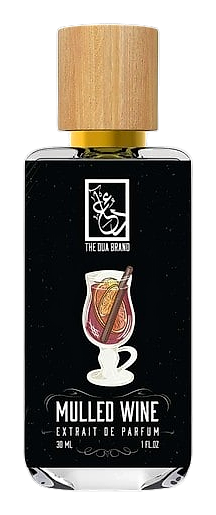
Some scents live in the glass. Mulled Wine lives in the pot. Launched in 2022 by The Dua Brand, this composition translates the kitchen-table ritual of warming red wine with whole spices into something wearable. The house has built a reputation on translating recognizable experiences, the beverage-as-fragrance category practically belongs to them. Mulled Wine is the seasonal entry: the drink you make when the first real cold hits and someone says, stay a while. The kind of scent that announces itself with warmth, like steam rising from a saucepan left too long on the burner. It doesn't pretend to be anything other than what it is, and that honesty is what makes the whole composition feel lived-in rather than performed. There's a comfort here that doesn't need explaining.
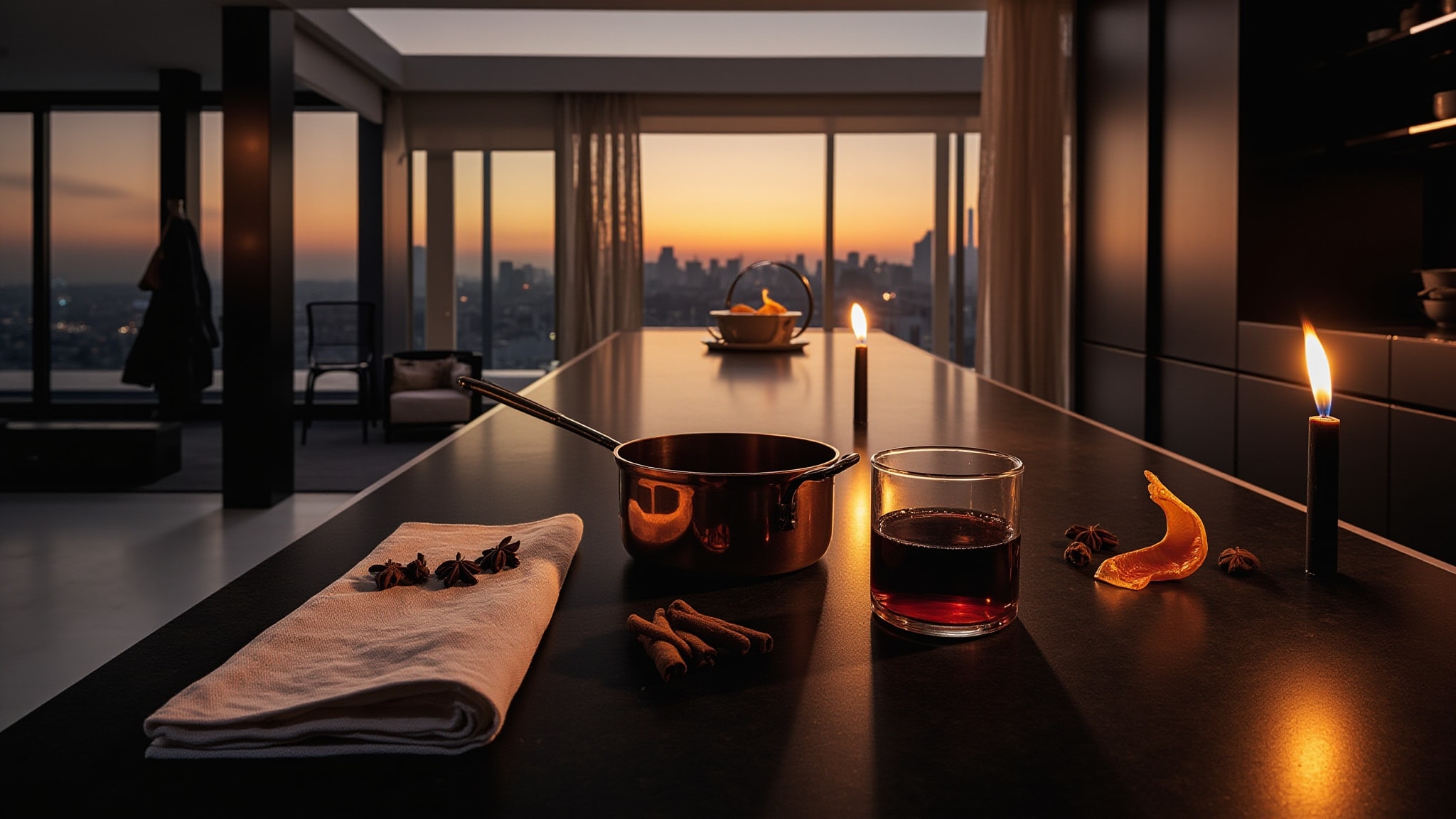
The composition doesn't disguise what it is. That's the move. Whole cloves, cinnamon bark, star anise, and cardamom pods form a spice quartet that hits the nose before the red wine even enters. Maple syrup sweetens the pot without turning it into dessert. Orange peel lifts the top with a citric brightness that keeps the whole thing from collapsing into potpourri. It's a literal translation, and the literalness is what makes it land. Each spice has room to speak without shouting over the others, the way a well-made mulled wine gives every ingredient a turn in the air.
The evolution
The opening is a spice-rack collision: cinnamon, clove, and cardamom arriving in dense layers, with orange zest cutting a bright window through the warmth. The red wine rises early, deep and almost tannic, and the maple syrup wraps around it like a slow-pour glaze. The heart is where the drink becomes a drink. Then it plateaus. Not dramatically. Just a long, warm plateau of clove-tinged musk that lasts hours without changing shape. Star anise surfaces occasionally, a licorice flicker in the background. The drydown is faint maple and white musk on fabric, the ghost of the glass left on the table. It doesn't reinvent itself. It just stays, like the last person at the dinner who keeps pouring. The transition from opening to heart happens almost seamlessly, each phase leaning on what came before rather than wiping the slate clean.
Cultural impact
Mulled Wine sits in the seasonal-gourmand lane, a category built around the idea that certain scents belong to certain times of year. This is one of the more direct translations in that catalog, the kind of fragrance that doesn't apologize for what it is. It's not subtle. It's not trying to be. For the person who wants to smell like the drink, not like the idea of the drink, it delivers. The composition reads as comfort rather than concept, pulling from a ritual most people already know rather than inventing something entirely new. That approach gives it a kind of accessibility that more abstract gourmands can't reach.