The Story
Why it exists.
The beginning
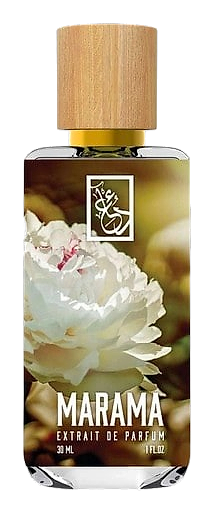
Marama arrived in 2021 as part of The Dua Brand's Inspired Expression collection. This one takes its cues from Xerjoff's Lunosa, a fragrance dominated by Indian tuberose, and Marama carries that same floral intensity into a different register. The composition centers on a tuberose-forward structure, a flower with the kind of presence that fills a room and then keeps filling it, the sort of bloom that seems to generate its own light against darker base notes beneath it. There's nothing apologetic about the volume here. Marama plants itself firmly in the floral category and stays there, confident in its scale, unembarrassed by the attention it draws.
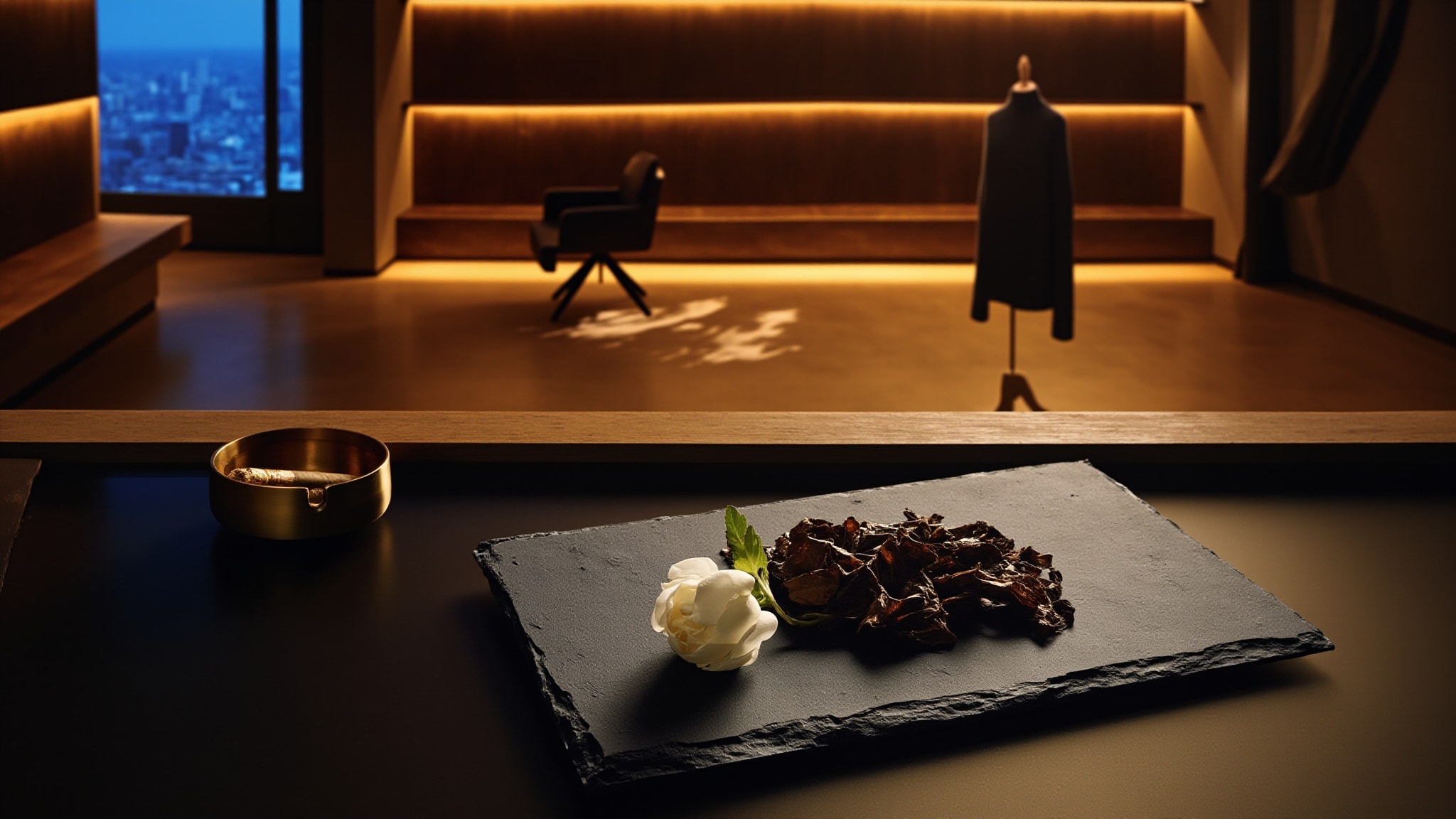
What makes Marama interesting is the balance between two heavyweights. Indian tuberose is one of the most polarizing white florals in perfumery, creamy and almost carnal, the kind of note that dominates everything around it. But the oud and cypriol underneath aren't just backing it up. They create a smokey floor that gives the floral something to push against. Without that earthy base, the tuberose would float away into sweetness. With it, the whole composition stays grounded, anchored to something older and more resinous. The sandalwood softens the edges between these two worlds, creamy and warm, acting as the bridge that keeps the blend from feeling like two separate fragrances fighting each other.
The evolution
The first ten minutes belong to neroli, and it moves fast. Bright, green, slightly bitter, the kind of citrus that reads as confident rather than cheerful. Then the neroli doesn't fade so much as get steamrolled. Indian tuberose takes over with a density that feels almost tactile, creamy and honeyed, riding in alongside gardenia for a heart that smells like a florist's window at dusk. The sandalwood underneath keeps it from going too sweet, adding a warmth that previews what's coming. By hour two, the tobacco shows up. Not cigarette tobacco, not ash, but the sweet, pipe-like richness of cured leaf, folded into the vetiver's green earthiness. This is where Marama stops being a white floral and starts being something stranger. The oud and cypriol surface in the base, dark and woody, pulling the whole composition down into something that feels more like evening than afternoon.
Cultural impact
Marama occupies a specific space in contemporary perfumery, the intersection where tuberose takes the lead and darker notes provide counterweight. It references Xerjoff's Lunosa, a composition that has drawn attention for its bold treatment of Indian tuberose, and Marama carries that same intensity forward. The fragrance appeals to wearers who want the volume of a statement floral, something that announces itself on entry and maintains its presence throughout the wear, but who also prefer their florals grounded in something smoky and woody rather than pure sweetness.