
The Story
Why it exists.
The beginning
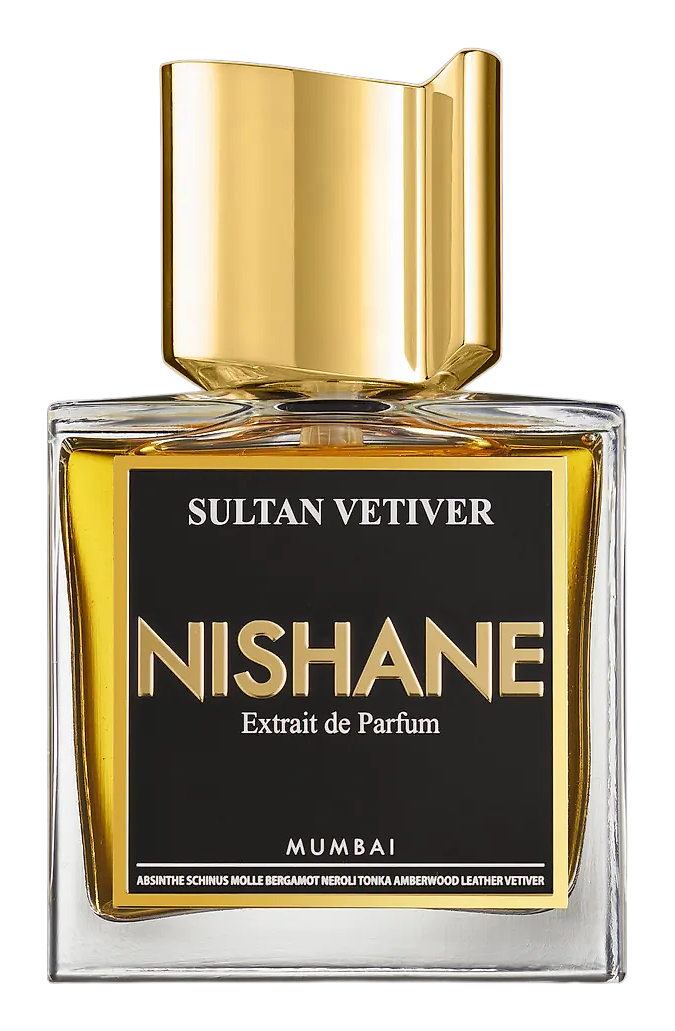
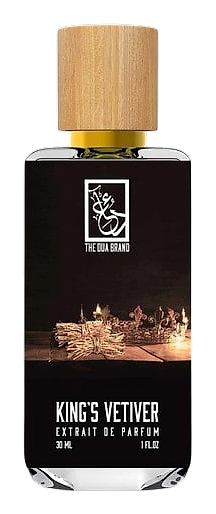
King's Vetiver landed in 2022 as part of The Dua Brand's Inspired Expression collection, a line built around translating hard-to-reach niche compositions into something the mainstream shelf can hold. The target here was clear from the start: Sultan Vetiver by Nishane, an oriental woody that occupies a specific corner of the vetiver conversation. Rather than chase the original's price tag, The Dua Brand set out to reconstruct its architecture, the same blueprint executed with different materials and a more accessible price point. The house has built its reputation on exactly this kind of reconstruction, studying the structure of aspirational scents and rebuilding them for a broader audience of fragrance wearers.
What makes this composition interesting is the vetiver stack. King's Vetiver layers three distinct expressions of the root, each one pulling in a different direction. Java vetiver contributes its dark, rooty smoke, the kind of note that reads almost tarred at close range. Bourbon vetiver brings an earthy sweetness, a rounder character that softens the sharper edges. Haitian vetiver holds the greener, cleaner line, keeping the composition from collapsing entirely into smoke and sweetness.
The evolution
The opening belongs to bergamot and neroli, with anise threading through like a cold wire under the citrus brightness. Pepper arrives quickly, adding a dry heat that keeps the sweetness of anise from turning cloying. The composition reads bright, almost sharp, a clean entry that doesn't telegraph where it's headed. There's a tension in the way the citrus and the anise play against each other, the one pulling toward clarity and the other toward something darker, and the pepper sits between them like a referee keeping the match honest. As the composition develops, the vetiver stack arrives and the temperature drops. Java vetiver brings the smoke first, that rooty, slightly tarred quality, while Haitian vetiver keeps a green thread alive underneath.
Cultural impact
King's Vetiver sits in an interesting spot in the current landscape. The triple-vetiver approach is distinctive enough to stand on its own, even for someone who's never smelled the original it's referencing. Wearers who gravitate to it tend to be vetiver-curious but cautious about the genre's austerity, and the leather and tonka do enough softening work to make the root approachable without losing its character. The composition functions as a kind of bridge, familiar enough to read as wearable in a professional setting but unusual enough to spark questions from anyone who catches it at close range.