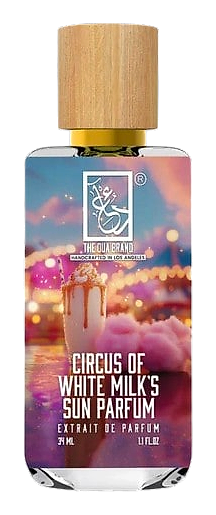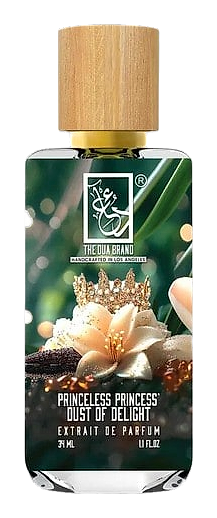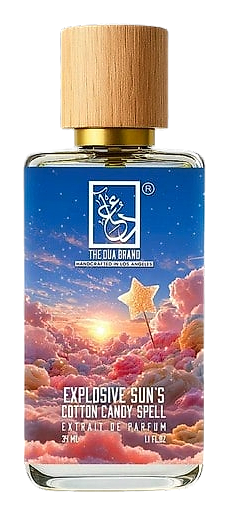
The Story
Why it exists.
The beginning
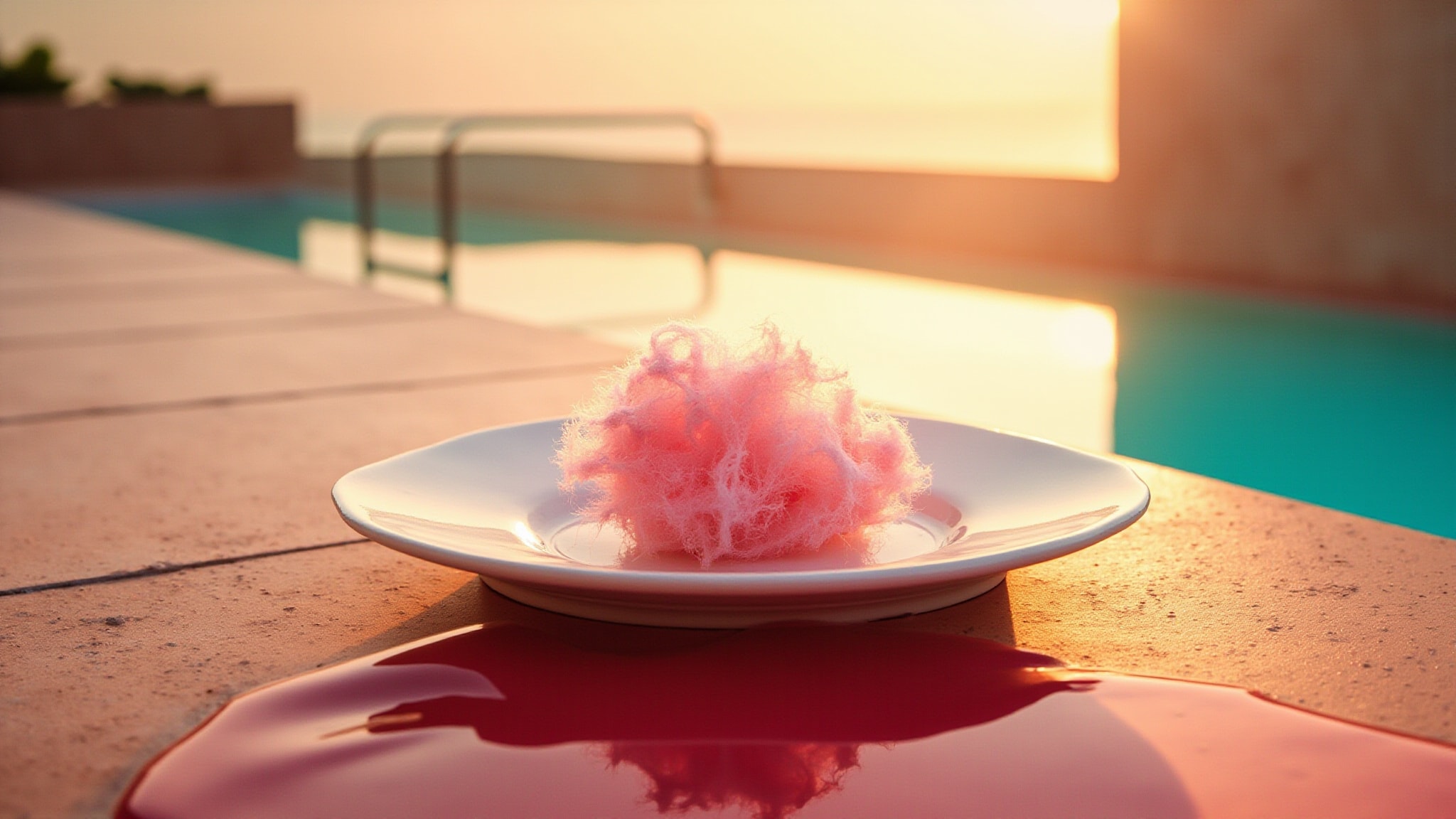
Mahsam Raza built Cotton Candy Spell as a gourmand composition rooted in The Dua Brand's catalog of accessible fragrances. Raza stacked the usual fruity suspects (lime, mango, guava, coconut water) against the obvious sugar notes, then pushed further with tart raspberry and red berries for edge. Hibiscus earns its place in the composition, and Indian sandalwood anchors the whole confection in something warmer than a typical candy flanker. The brand's house style leans into accessible gourmand territory, but this one asks for a second look.
The unusual note here is dust. In a composition this sweet, that single word does heavy lifting. Tart raspberry and red berries pull double duty, adding acidity that keeps the cotton candy and marshmallow from collapsing into simple syrup. The coconut water contributes brightness that lifts the heavier notes. Hibiscus appears as a tart floral note among the sweetness, and the sugar notes (cotton candy, marshmallow, sugar) build around the fruit and floral layers.
The evolution
The opening hits with a wave of fruit. Lime, mango, and guava arrive bright and juicy, with coconut water adding a watery lift to the tropical sweetness. Sugar and cotton candy bloom early, and the raspberry tartness shows up just as the fruit starts to sweeten into something dense and confection-like. This is the loudest the fragrance gets, a full-volume fruit-and-candy opening. As the hours pass, the fruit recedes. Cotton candy and marshmallow take over, but they aren't the airy spun-sugar clouds you'd expect. They land creamy and dense, almost dairy-like, with red berries threading through to keep things from going flat. Hibiscus shows up in the heart, adding a faint floral note that nobody asked for but everybody notices. Indian sandalwood starts pulling weight in the later hours, warm and resinous, giving the vanilla cream and caramel something solid to rest on.
Cultural impact
This sits comfortably in the fruity gourmand category alongside other sweet-but-grounded compositions. The cotton candy angle is a clear crowd-pleaser, but the sandalwood base and that unusual dust note give it more backbone than a typical candy flanker. The hibiscus-and-raspberry tartness is what separates it from the straight-sugar crowd. Priced at fifty-five dollars, it lands in a range that makes it easy to grab without the second-guessing that comes with higher-end niche bottles.