The Story
Why it exists.
The beginning
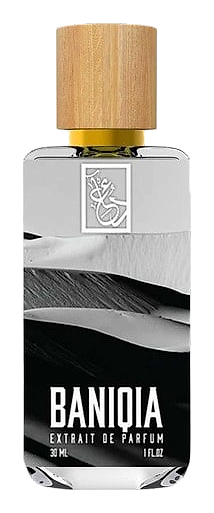
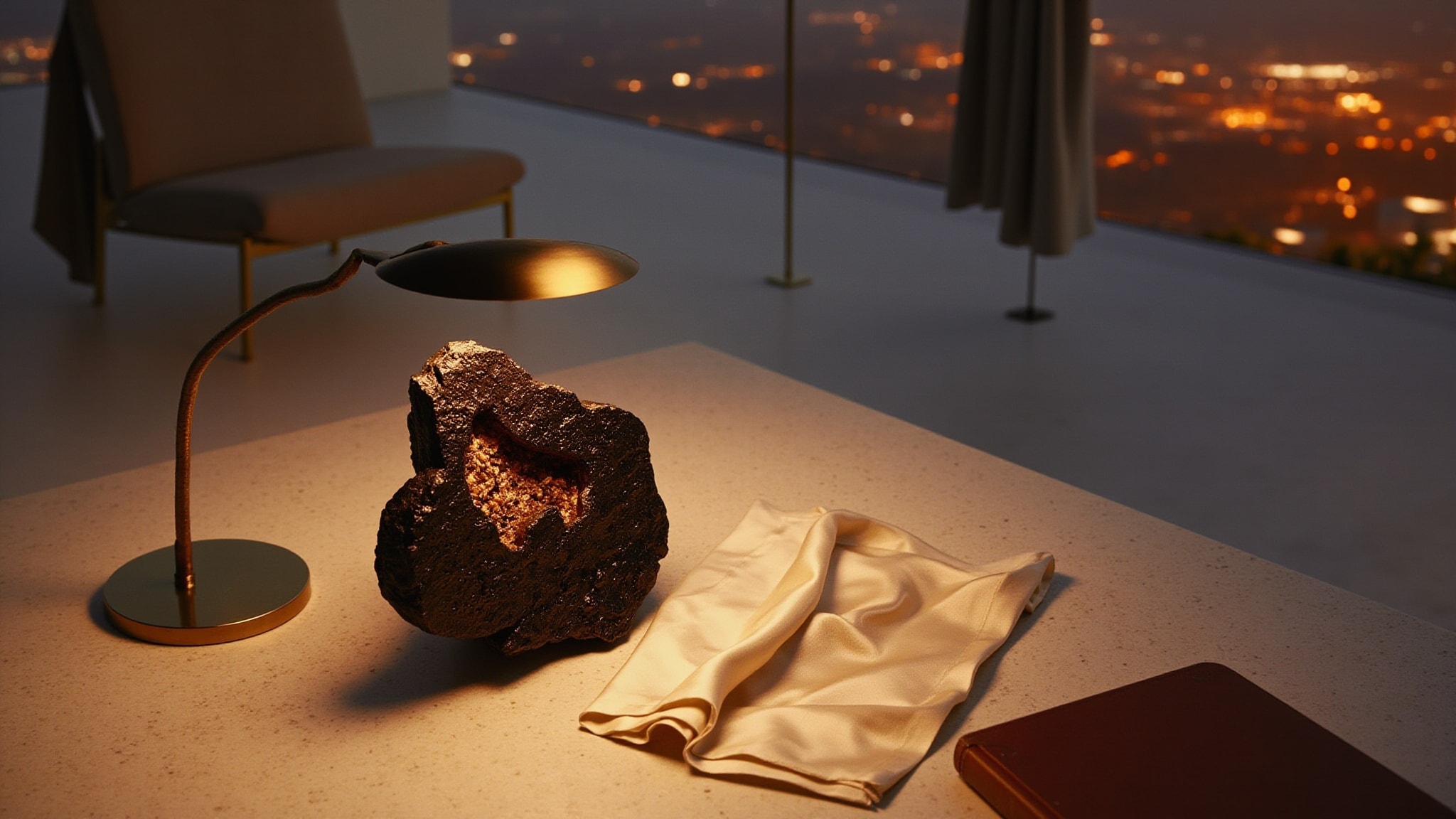
Baniqia takes its name from the spiritual capital it pays homage to, a place long associated with enlightenment, pilgrimage, and meditation. The Dua Brand built this composition in 2021 as an homage to that stillness, choosing two of the Middle East's most revered materials to carry the idea: agarwood for its depth, and osmanthus for its warm, floral sweetness. The brief wasn't subtlety. It was presence. A meditative scent that doesn't whisper its prayers, it voices them, and then it stays in the room. There's a seriousness to the way the agarwood sits on the skin, a hush that feels less like a fragrance and more like a held breath. The osmanthus does the softening, wrapping the heavier resin in something almost edible, the way warm fruit might round out the edge of a dark spice.
What makes Baniqia interesting is the marriage of oud and osmanthus, a pairing that Xerjoff explored in its own Najaf. The Dua Brand's recreation leans into the same tension: the resinous weight of agarwood set against osmanthus's quiet, fruity sweetness, two materials that pull in opposite directions and somehow hold steady. Surrounding that conversation is a supporting cast of tobacco, tonka, vanilla, sandalwood, cedar, patchouli, green notes, and musk, materials chosen to amplify the warmth rather than compete with it.
The evolution
The opening is green and sharp, a cut of cedar and tobacco leaf that reads almost outdoorsy. Then the agarwood arrives, and the composition turns heavier, denser, more grounded. The osmanthus doesn't announce itself so much as warm everything around it, lending a soft, leathery hush to the oud's rougher edges. The tobacco deepens as the hours pass, sweetening into something closer to vanilla, and the sandalwood and tonka have taken over, leaving a creamy, resinous close that clings to fabric. On skin, the drydown narrows to a close amber warmth, intimate and skin-like, the kind of scent that feels like it belongs to the person wearing it rather than to the room. On fabric, it holds onto its shape, the woods and the vanilla still readable long after the florals have quieted.
Cultural impact
Baniqia exists within a larger conversation about how complex, oud-driven compositions are interpreted and reimagined. The fragrance draws on the same territory as Xerjoff's Najaf, a release that helped define a certain kind of agarwood and osmanthus pairing in the niche world. What Baniqia brings to that conversation is a different take on the same materials, one that aims to capture the feel of the original while opening the door to a broader audience. The result is a composition that lives comfortably in the niche space, recognizable to anyone familiar with the original release but distinct enough to stand on its own.