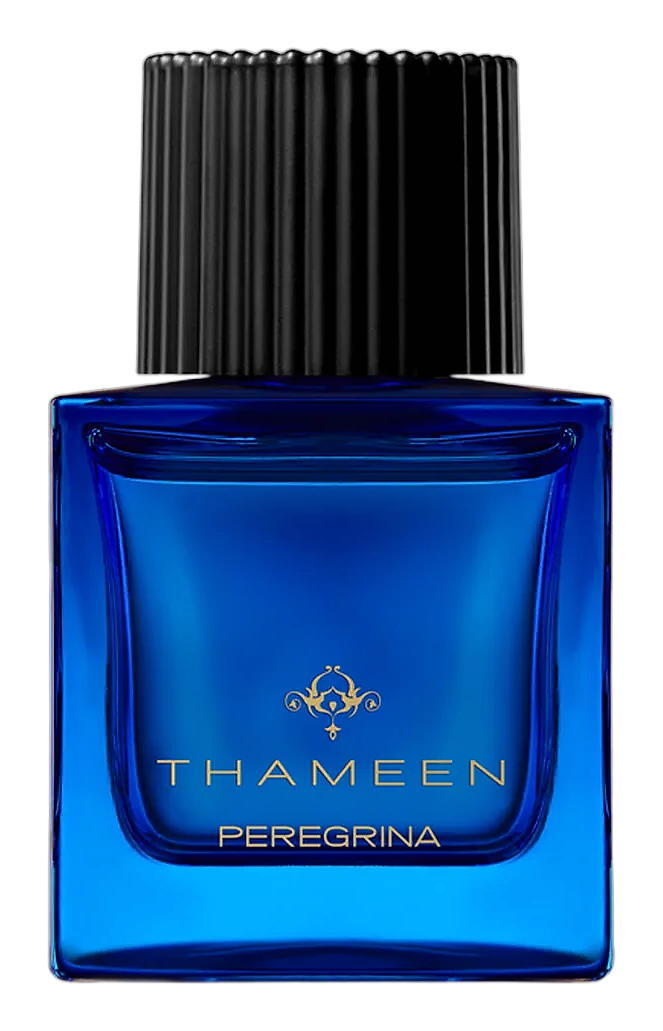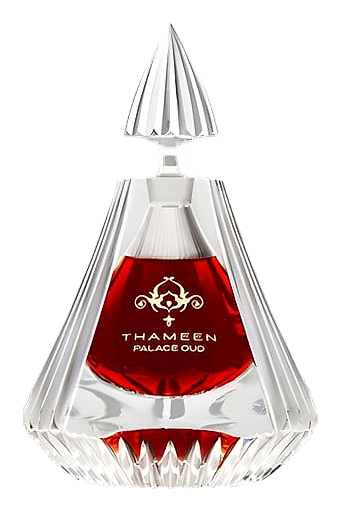
The Story
Why it exists.
The beginning
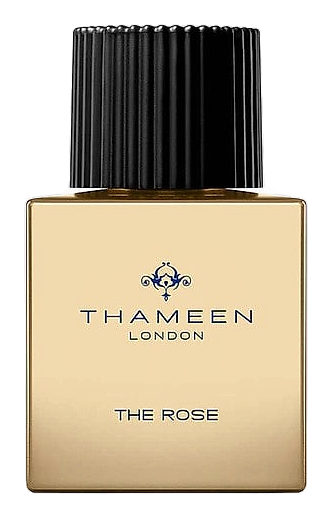
Musicology approaches fragrance as composition, and The Rose is the logical expression of that philosophy, a duet where floral and fruity notes play off each other rather than competing for dominance. Nathalie Lorson built this as a three-movement piece: raspberry and peony announce the opening, damask rose and violet carry the heart, vanilla and white woods hold the close. The result is a fragrance that reads as a complete work, not a collection of notes. The brand's founding collection, Initiation to Solfege, established this approach across multiple expressions, The Rose among them, translating musical structure into scent architecture. It's the kind of fragrance that makes you wonder why more roses don't work this way.
What makes The Rose structurally interesting is how the top and heart notes blur together rather than hand off cleanly. Raspberry and peony arrive simultaneously, creating a confectionery burst that isn't quite fruit and isn't quite flower, something in between. The damask rose then doesn't so much replace that opening as absorb it, taking on a jammy, almost honeyed quality while violet adds a powdery softness that keeps the sweetness from becoming syrupy. It's a rose that tastes like it smells, which is rarer than it should be. The vanilla and white woods base isn't an afterthought, it's the reason the fragrance lasts through a full day without evolving into something unrecognizable from its opening.
The evolution
The opening doesn't announce itself so much as arrive. Raspberry and peony burst in together, jammy and bright, with a sweetness that doesn't wait for permission. There's no transitional phase where the fruit fades and the florals take over, they arrive as a pair, already blended. The damask rose takes center stage around the thirty-minute mark, and it reads differently here than in most rose fragrances: more jam than bloom, more confection than garden. Violet slides in underneath, powdery and soft, keeping the sweetness from tipping into syrup. The vanilla and white woods don't announce themselves dramatically. They arrive quietly, warming the composition from within, and the fragrance settles into something close and skin-warm that lasts through the working day without ever becoming loud.
Cultural impact
The Rose by Thameen stands apart in a crowded market by fusing Arabian perfumery traditions with Western sensibilities. Its osmanthus and saffron notes nod to Middle Eastern fragrance heritage, while the European rose heart and vanilla base appeal to global tastes. The 2020 launch timing proved strategic, arriving as Western consumers increasingly embraced Middle Eastern fragrance houses. This cross-cultural approach has influenced how niche perfumers approach global audiences, demonstrating that heritage ingredients from different regions can coexist harmoniously in a single composition.