
The Story
Why it exists.
The beginning
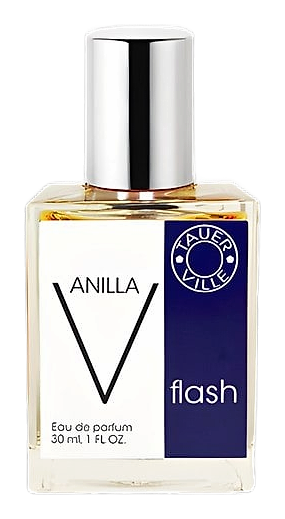
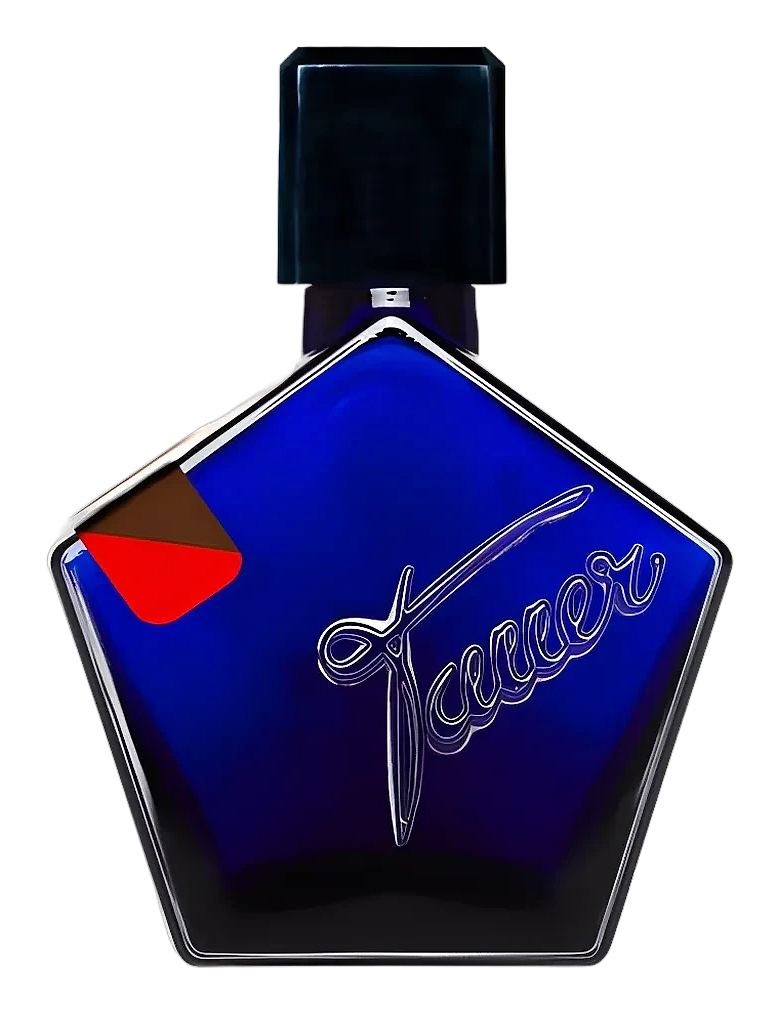
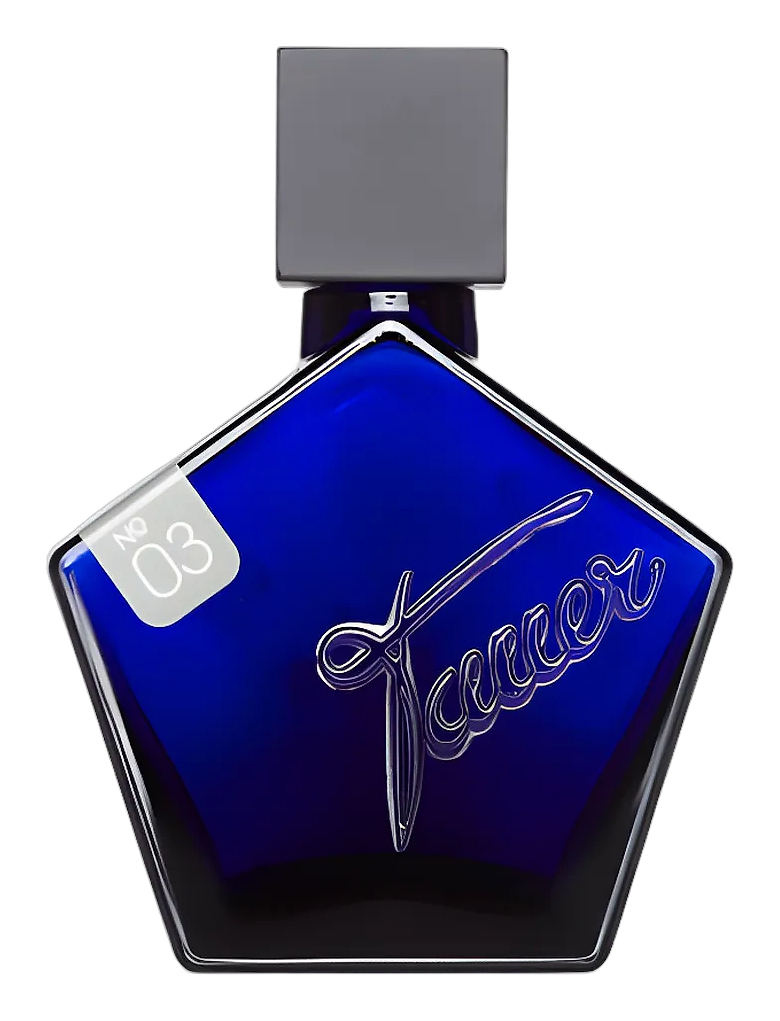
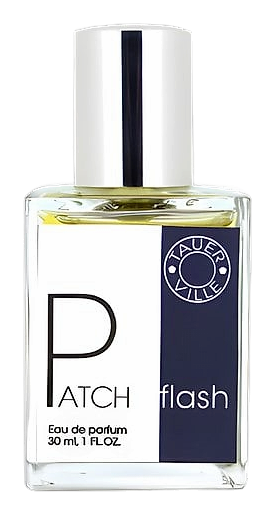
Patch Flash arrived in 2017 as part of Andy Tauer's ongoing study of singular ingredients. The Flash series, Rose, Vanilla, Amber, Tuberose, each takes one material and gives it room to exist without interference. Patch Flash follows the same logic but picks one of perfumery's most contested notes. Patchouli has fans and detractors in equal measure, often depending on the quality and the intent behind the blend. Tauer chose to work with patchoulol specifically, the softer, more elegant core of patchouli oil, rather than the note in its full, sometimes polarizing breadth.
That decision shapes everything. A standard patchouli fragrance might open dark and stay dark. Patch Flash opens with a brief, almost liqueur-like sweetness, one reviewer caught it immediately, that boozy-fruity shimmer that fades fast but announces something different is happening. Then patchouli settles in, not earthy-moldy but resinous, warm, surrounded by benzoin's balsamic sweetness. Leather doesn't dominate. It anchors. This is patchouli that learned some manners.
The evolution
The opening is quick and bright, a flash, indeed. The boozy-spicy accord announces itself, then recedes within minutes. What replaces it is the real story: patchouli oil, rich and warm, meeting benzoin's caramel-like smoothness. The leather surfaces around the heart phase, not sharp but present, like the smell of an old leather bag that's been handled daily. It holds steady for hours. The drydown is where Patch Flash earns its reputation: a warm, ambery sweetness that stays close to skin, detectable the next morning on fabric. On some skin types it projects strongly for the full 8-10 hours. On drier skin, it pulls back but doesn't disappear.
Cultural impact
Patch Flash sits comfortably in the niche fragrance tradition of rehabilitating misunderstood materials. Patchouli has a complicated history in Western perfumery, associated at various points with the 1960s counterculture, the dark orientals of the 1990s, and the clean-musk minimalism of the 2000s. Tauerville's take strips away those associations and offers patchouli as warmth rather than statement. It has a following among people who thought they didn't like patchouli.