The Story
Why it exists.
The beginning
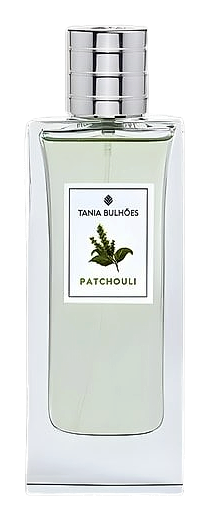
Patchouli landed in Tania Bulhões' collection in 2021, joining a fragrance lineup the Brazilian house has been building since it first moved into scent. So when the team chose the title for this composition, they went straight to the material doing the heaviest lifting in the drydown. The house's approach leans toward botanical specificity, with compositions that read close to their source materials. Patchouli follows the same logic. Two base notes, one heart note, one top. No hedging. What the pyramid offers is straightforward from a structural standpoint, but the choices themselves are quietly unexpected. Pink pepper at the top, rhubarb in the middle, patchouli and sandalwood below. Each note earns its position through what it brings that nothing else in the structure could supply.
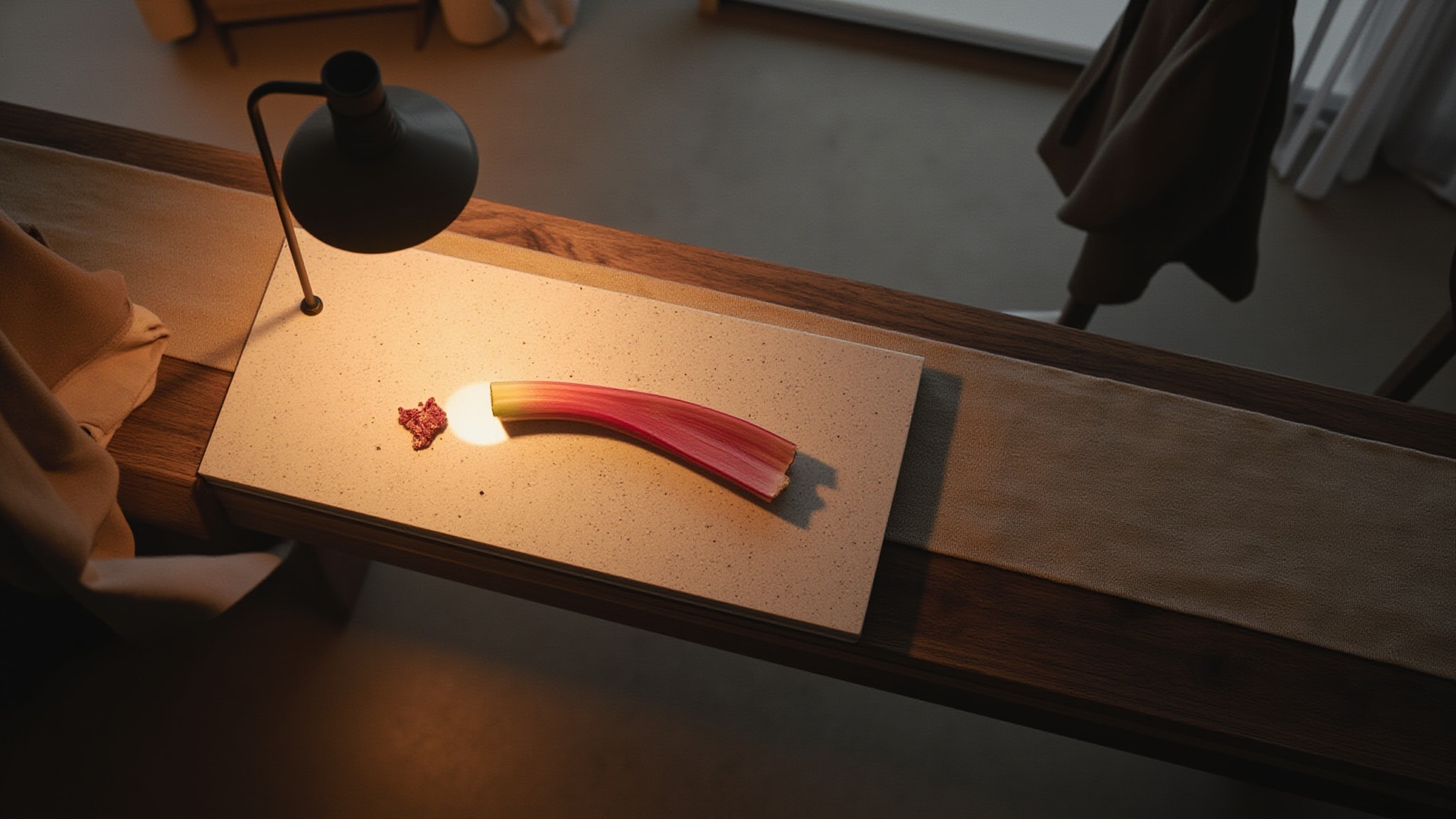
What makes this triangle interesting is the rhubarb. Pink pepper opens with a controlled spark, bright and lifted without tipping into aggressive heat. Rhubarb sits in the middle, bringing a vegetal tartness that no other note in the pyramid would deliver. Patchouli and sandalwood close it out without competing. The rhubarb does something unusual in the way it interacts with the base. It introduces a sour, green interruption that changes what the patchouli has to do.
The evolution
On skin, the pink pepper arrives first. It reads almost fizzy for the first 10 or 15 minutes, sharper than you'd expect from a composition built on such heavy base notes. That sharpness is partly the rhubarb arriving early in disguise, lending its crisp green edge before the fruit note fully registers as itself. The two notes share territory here, blending into something that reads almost citrus-bright before either one separates out. By the 30-minute mark, the rhubarb settles into its actual identity: tart, slightly vegetal, not particularly sweet. There's a stalk-like quality to it, the kind of green sourness that feels more plant than fruit. The patchouli starts coming through underneath, dusty and dry in the way good patchouli material tends to read. The pepper hasn't disappeared at this point.
Cultural impact
Patchouli isolates its central material through contrast rather than layering it with familiar companions. The composition puts patchouli at the heart of the structure and lets everything else orbit around it, rather than burying the note inside a heavier framework. The composition leans into an earthier, cooler register, one that reads distinctly different from the warmer, sweeter territory that patchouli often occupies in other contexts. The rhubarb contributes a tartness that pushes the patchouli away from its usual register, and the sandalwood underneath keeps things grounded without adding sweetness.