
The Story
Why it exists.
The beginning
Tania Bulhões names her fragrances the way botanists do, by the specific thing, not the feeling it conjures. Tangerina Verde is green tangerine. Chá Branco is white tea. Figo is fig. The choice of fig over fig fruit is deliberate. This is the whole plant, not the edible part. Brazilian nature, translated directly. The 2010 launch arrived quietly into a collection that was already mapping the flora of Minas Gerais into scent, one specific botanical at a time.
What makes Figo unusual in the fig fragrance category is the material choice. Fig leaf carries a green, slightly astringent quality that fig fruit doesn't, the smell of sap and chlorophyll, of something still growing rather than ripening. Combined with citruses in the heart, this pushes the composition away from the creamy, almost coconut-like territory that defines most fig fragrances. The musk base keeps everything close to skin rather than projecting outward, which suits the fragrance's understated character.
The evolution
The opening arrives green and sharp, not harsh, but immediate. Fig leaf announces itself without apology, carrying that vegetal bite that sits between cut grass and unripe fruit. Citruses layer in quickly, lending brightness without dominating. Within the first hour, the green quality softens as the heart develops, becoming more about the overall impression of the tree than any specific note. The drydown is where Figo becomes something personal. Musk comes forward, blending with whatever remains of the fig and citrus to create a close, intimate signature, the kind of scent that someone standing nearby will notice before you enter the room, not after. On fabric, the fig leaf lingers longest. On skin, the musk takes over once the green fades.
Cultural impact
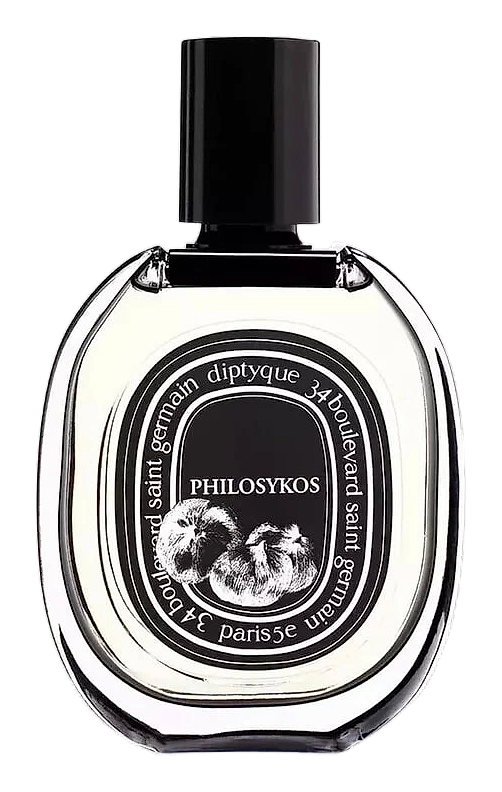
Figo arrived in 2010 during a global resurgence of fig-based fragrances, yet it carved a distinct path by refusing the creamy, lactonic direction that dominated the market. While brands like Diptyque had established fig as a fine fragrance note with Philosykos in 1996, Tania Bulhoes brought a Brazilian perspective, earthier, greener, less romantic. The fragrance reflected a broader shift among Latin American designers to claim luxury positioning on their own terms, drawing from botanical heritage rather than European tradition alone. In Brazil, where fine perfumery was long dominated by European imports, Figo represented a statement of intent. It demonstrated that a tableware designer could enter fragrance with a point of view serious enough to compete internationally.