
The Story
Why it exists.
The beginning
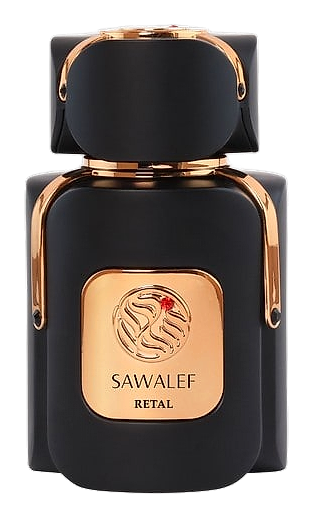
The Bosphorus takes its name from the strait that divides continents, a place where East and West have been exchanging goods and ideas for centuries. According to Fragrantica, the fragrance was released in 2019, though Parfumo lists the release year as unknown, so the 2019 date should be read with that single-source caveat in mind. Labdanum leads, an unusual choice for a top note, one that suggests the perfumer wanted the resinous character front and center rather than hidden behind citrus brightness. The composition opens on amber from the very first spray and trusts the wearer to follow without the softening layer of fruit that so many launches lean on. There's no bergamot prologue, no apple shimmer, no mandarin peel.
What's interesting here is the structural choice. Labdanum as a top note is rare. Most perfumers treat it as a fixative, a background binder, something to anchor volatile top notes and keep them from evaporating too fast. Putting it first inverts the hierarchy. It says: the resin is the message, not the scaffolding. The patchouli heart then grounds that resin in something darker, more humid, more rooted in soil than in sap. Patchouli at the heart carries a damp, loamy quality that pulls the airy lift out of the labdanum and replaces it with something weightier.
The evolution
The first half hour belongs to the labdanum, and it's not subtle. Resinous, slightly leathery, with the warm animal edge that high-quality labdanum carries when it hasn't been overly rectified. There's a faint sweetness underneath, almost honeyed, but the dominant impression is warmth, like wood that's been burning for hours. As the composition settles, the patchouli takes over, and the scent shifts from resinous to earthy. The oud arrives quietly during this passage, not the barnyard intensity some compositions aim for, but a smoother, more meditative version, woody and slightly medicinal, the kind of oud that whispers rather than shouts. The rose appears late, surprising given how often rose dominates from the top in similar compositions, but here it functions almost as a softener, adding a powdery floral warmth that keeps the oud from feeling austere.
Cultural impact
The Bosphorus speaks directly to wearers who already know what oud smells like and want something that respects the tradition without repeating it. It's a fragrance for someone who wants to be recognized by the initiated without alienating the uninitiated. The labdanum-led opening sets it apart from compositions that begin with citrus or fruit, and that structural choice alone signals a certain kind of wearer: someone comfortable with resin as a first impression rather than a base note. The oud-rose-sandalwood base anchors it in a recognizable lineage, and that familiarity gives the more unusual top note permission to take risks.