The Story
Why it exists.
The beginning
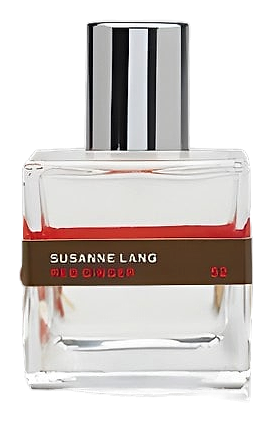
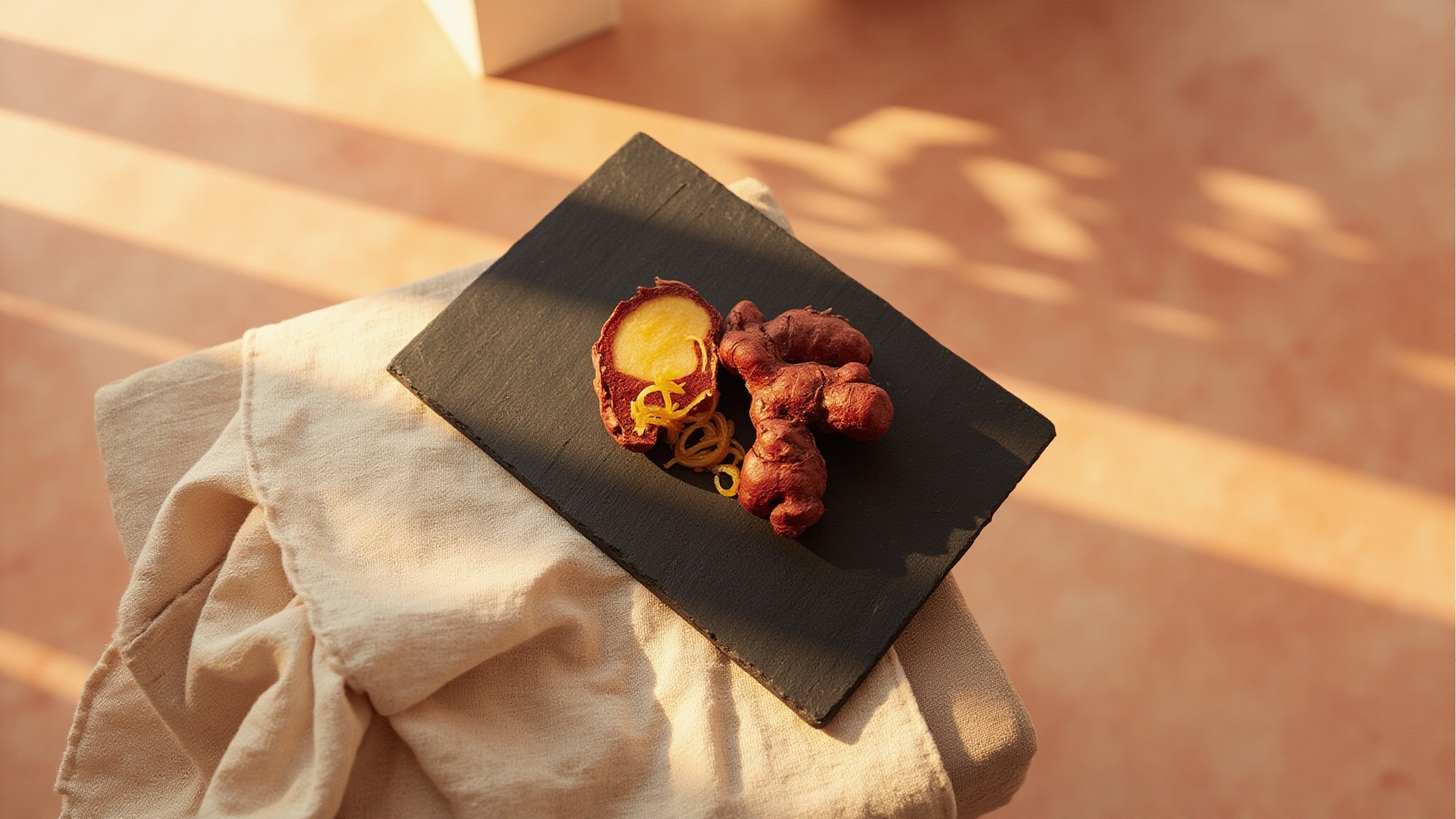
Red Ginger arrived in 2010, a decade into Susanne Lang's experiment with scent as personal memory. The brand had already proven itself fluent in warmth, vanilla as versatile base, tropical sweetness, resinous woods. Red Ginger pushed into different territory: spice without aggression, softness that still meant something. The name is literal and visual. Red ginger root, the knotted, rust-colored rhizome with its sharp, clean heat. Susanne Lang built the fragrance around that contrast: something warm and clean at the same time, something that opens bright and settles into intimacy. Pink pepper, ginger, rose, patchouli, nutmeg. Five notes that could easily crowd each other. Instead, they take turns.
What makes Red Ginger distinctive is how it refuses the usual logic of spicy fragrance construction. The ginger doesn't lead aggressively, it arrives clean, almost cool. The pink pepper adds lift without sharpness. By the time the rose and patchouli take over, the opening warmth has already conditioned the skin, so the floral-earthy heart feels inevitable rather than jarring. The nutmeg threads through the whole thing like a quiet dry note, keeping everything grounded in powdery spice rather than letting it drift sweet. The result is a fragrance that occupies a specific register: warm enough for cooler weather, soft enough for close spaces, interesting enough to reward attention. It's not trying to fill a room.
The evolution
The opening arrives warm and immediate. Ginger at the front, pink pepper lifting it just enough to keep the heat from getting heavy. Thirty minutes in, the rose begins to emerge, not overpowering the ginger but working alongside it, the way a warm room gradually warms further once the door closes. The patchouli moves slow, earthy and grounded, becoming more present as the bright notes recede. An hour in, the spice softens. Nutmeg and pink pepper linger, but the rose takes over the story, lush and powdery, a rose that learned something from the patchouli it grew beside. That's the transition: when the floral overtakes the spice, Red Ginger reveals what it actually is. The drydown is warm and close. Patchouli anchors everything, but the rose doesn't fully leave, it becomes a ghost on skin, soft musk warmth that persists for hours. The kind of sillage that requires someone standing beside you to notice. A next-morning trace on a collar, or on skin that wasn't expecting to still smell like something.
Cultural impact
Red Ginger arrived in 2010, a period when independent perfumery was finding its footing beyond the luxury mainstream. Susanne Lang positioned the fragrance within a collection that valued intimacy over statement, reflecting a quiet shift away from the bold, room-filling signatures that dominated that era. The ginger-rose-patchouli combination spoke to a growing appetite for warmth and spice that would later explode in mainstream markets with compositions like Santal 33. In that context, Red Ginger functioned as an early signal of the market's readiness for subtler, more personal fragrances that reward close attention rather than demand it.