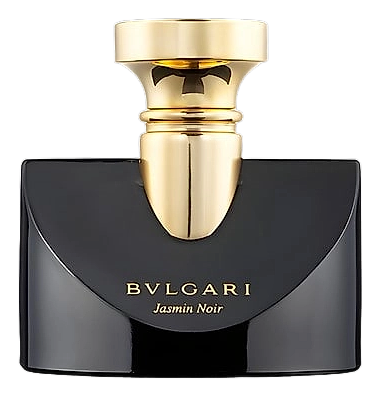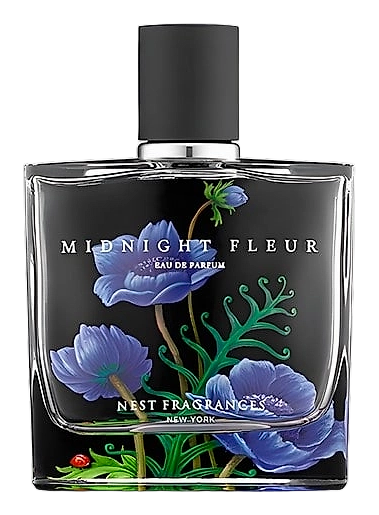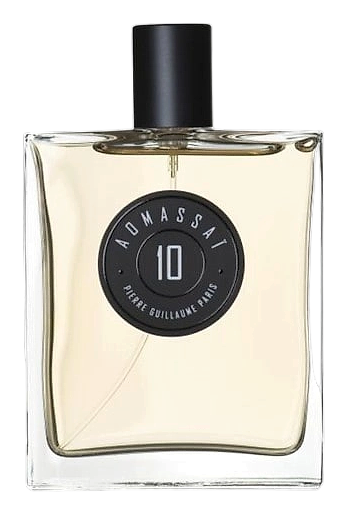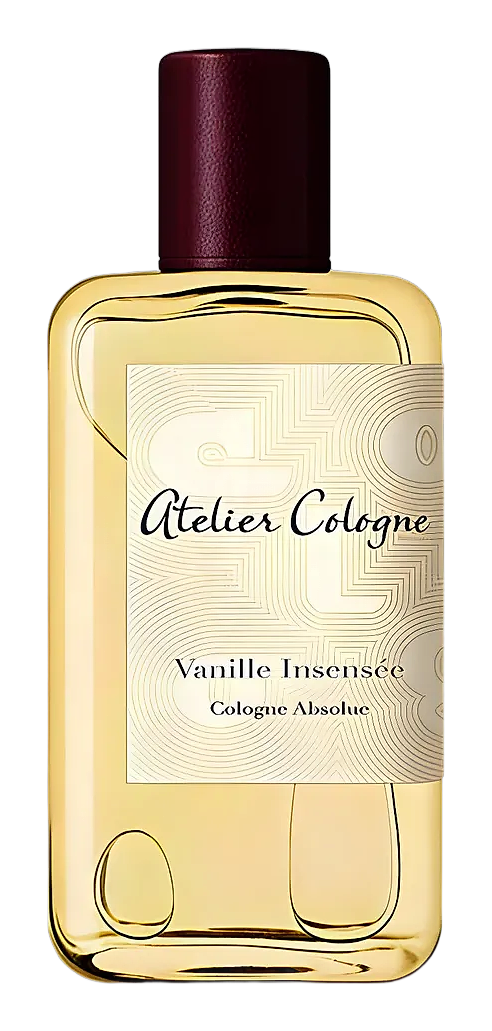


The Story
Why it exists.
The beginning
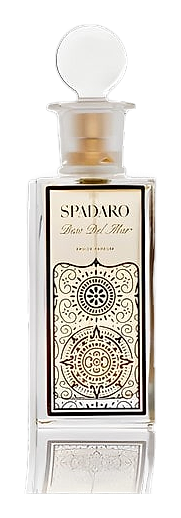
Doux Amour arrived in 2011 from Kim Spadaro, the perfumer behind Spadaro Luxury Fragrances. The name translates from the French as "sweet love," but the scent itself reads less like softness and more like something with a pulse. Spadaro built it as a floral-woody oriental, layering Moroccan jasmine and Casablanca lily into a base of amber, sandalwood, and patchouli. The ylang-ylang lends its banana-skin sweetness from the top, and vanilla arrives almost immediately, giving the whole opening a candied, almost edible weight. It's a composition that commits fully to its own intensity rather than asking permission. The result feels less like soft romance and more like the kind of love that arrives already knowing what it wants and refusing to apologize for the volume.
The jasmine here is treated with real intent. It arrives thick and almost candied rather than airy, and it's set against ylang-ylang and vanilla from the first breath, which gives the bouquet an immediate density. Casablanca lily adds a green, almost bruised edge that keeps the florals from collapsing into pure sugar. The interplay between the lily's cool, vegetal sharpness and the jasmine's lush sweetness creates a tension that holds through the early wear. The sandalwood and patchouli underneath aren't decorative. They're load-bearing.
The evolution
On skin, Doux Amour opens with a rush of vanilla-soaked white florals that read almost confectionary in the early minutes. Ylang-ylang brings its banana-skin sweetness, dense and tropical. Casablanca lily adds a cool, green undertone that keeps things from feeling purely gourmand. Then the shift begins. The jasmine thickens and darkens rather than fading, and patchouli starts to creep in from underneath, bringing that familiar damp-soil warmth. The amber settles in alongside it, softening the edges and adding a resinous glow. The sandalwood gradually takes the wheel as the hours pass, and the florals don't disappear so much as they become almost transparent, a sweetness that lingers as memory rather than presence. The drydown is woody, amber-warm, and faintly powdery, with the sandalwood taking center stage and the vanilla reduced to a low hum beneath it.
Cultural impact
Doux Amour has earned a quiet following among wearers who appreciate fragrances with presence rather than restraint. Its thick floral heart and confident sandalwood drydown give it a warmer, more lived-in character than compositions that aim for sheer transparency. The vanilla and ylang-ylang up top read almost edible, the jasmine in the middle carries real weight, and the patchouli-amber base keeps the whole thing grounded. It's the kind of scent that performs at close range and rewards attention, built for someone who wants the sweetness without the lightness.
The House
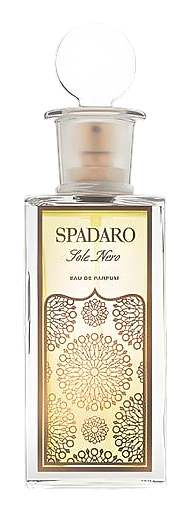
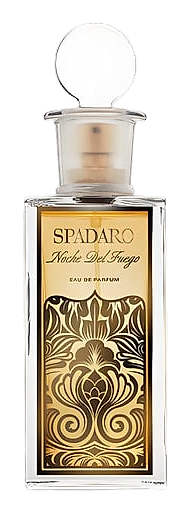
Spadaro Luxury FragrancesSpadaro Luxury Fragrances is an independent fragrance house founded by Kim Spadaro in 2009, built on a foundation of artisanal creation and emotional storytelling. The brand occupies a distinctive position in the niche fragrance market, developing scents that aim to evoke memory, atmosphere, and personal narrative rather than following mainstream commercial trends. Spadaro describes her work as a quiet rebellion against mass-market fragrances, emphasizing depth, sensuality, and spiritual resonance in each composition. The collection spans multiple collections released since 2011, including the Noche Del Fuego series (with notable 2011 and 2019 editions), Kasmaran Privé (2019), Doux Amour (2011), Sole Nero (2011), and Beso del Mar (2014). All fragrances are reportedly developed to be unisex, offering versatility across gender presentation. The brand operates primarily through digital channels and has cultivated a following among fragrance enthusiasts who appreciate its intimate, journey-inspired approach to scent creation.
The Creator
Kim SpadaroKim's style resists easy categorization because it lives in motion, in the in-between spaces of cultures and seasons. She draws from her travel experiences, translating destinations into olfactory memory rather than literal representation.