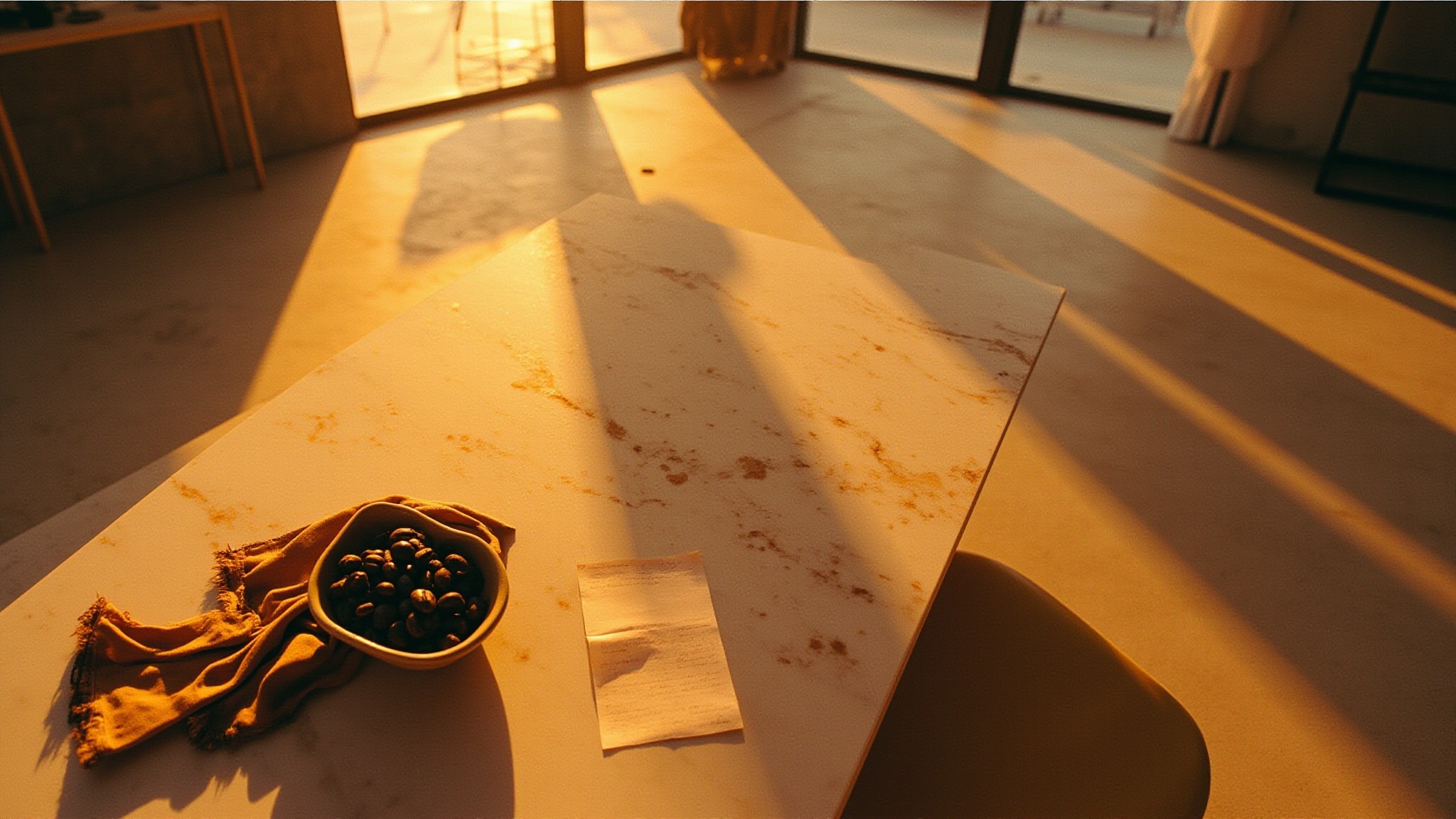
The Story
Why it exists.
The beginning
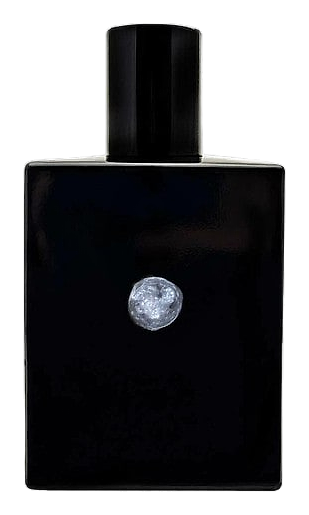
Moon Coat is the 2026 release from Space Fluid, an independent house where the person identified on the brand's materials as Markéta Maf, listed as Perfumer and Creative Guidance as well as Brand owner and Perfume maker, is also the nose behind the fragrance. Moon Coat fits the project directly: the brand's own notes describe it as the relic radiation of a nineties ferment, an old leather coat with a marzipan heart in one pocket and a bottle of wine in the other. That description does real work on skin, because the opening reads less like a top-note sparkle and more like the moment you pull a forgotten coat from the back of a closet, dust, soft leather, the ghost of spilled wine on wool, all arriving at once.
What sets Moon Coat apart is its density without weight. Sixteen listed materials orbit a single image: a leather coat worn through decades of nights. The coffee and tobacco ground it; the suede, white wine, and cognac give it texture; and the linden blossom, frangipani, daisy, and orange blossom keep it breathing. Ambrette and patchouli pull it into skin. It is not built around a star ingredient but around an atmosphere, a technique more common in haute perfumery than in indie releases. The result is a scent that reads as one continuous thought rather than a list of top, heart, and base, closer to a moodboard than a pyramid.
The evolution
The first hour is the heaviest: roasted coffee and tobacco arrive together, dense and almost edible, wrapped in white wine and cognac that lift the edges rather than soften them. Suede sits underneath, not as a note but as a texture you can almost feel. The florals, linden, frangipani, daisy, orange blossom, do not bloom so much as exhale through the warmth. By the second hour, the coffee thins and the tobacco sweetens. Petitgrain and ambrette surface, adding a green herbal coolness that contrasts the opening's density. Patchouli deepens without darkening. The third phase is quieter: the leather note, the one the name promises, finally arrives as everything else recedes. What remains after six or seven hours is a close, skin-warm impression of suede, faint tobacco, and a dry floral ghost. It does not project far in the final hours. It stays with the wearer, which feels intentional for a scent built around a borrowed coat pulled tight against the cold.
Cultural impact
Moon Coat reads as a short, almost cinematic object, the kind of fragrance that arrives with a scene already attached to it. The brand's own description, the relic radiation of a nineties ferment, an old leather coat with a marzipan heart in one pocket and a bottle of wine in the other, gives you the full image before you even press the spray, and the composition on skin stays loyal to that image rather than drifting off into something more conventional. The leather is the spine of the fragrance, soft, slightly dusty, the kind of hide that has already been worn for a few seasons rather than something freshly tanned.