Markéta Maf
Markéta Maf wears many hats. She grew up in Prague, where the scent of fresh pastries and historic stone sparked a lifelong fascination with fragrance. After publishing two best‑selling novels and mounting solo exhibitions in New York, she turned her storytelling instinct toward scent. In 2019 she adopted her artistic nickname as a perfumer and partnered with the experimental label Space Fluid. The collaboration earned two independent awards for originality, marking her first public breakthrough. Since then she has crafted limited editions that appear in boutique galleries and pop‑up installations. Her work sits at the crossroads of literature, visual art, and chemistry, inviting collectors to experience a story through scent. Markéta continues to split her time between a Prague loft and a Manhattan studio, where she writes, paints, and mixes accords that echo the moods of her dual cities.
The hits
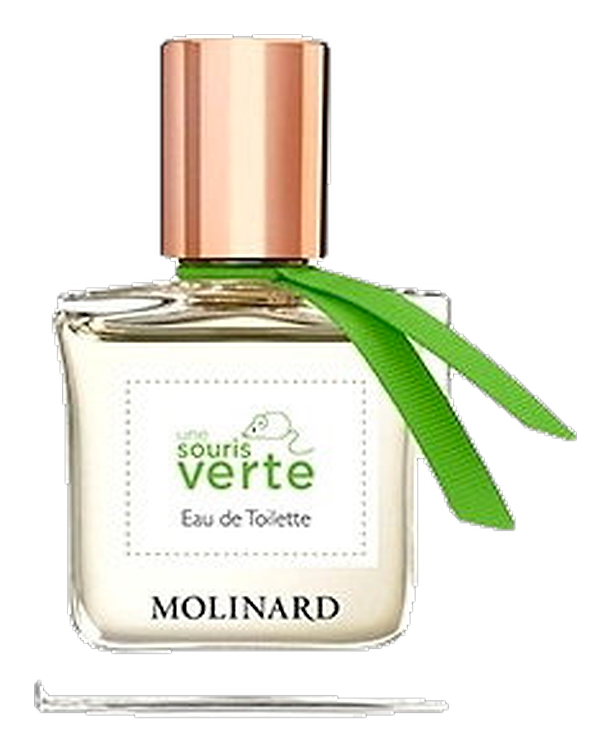
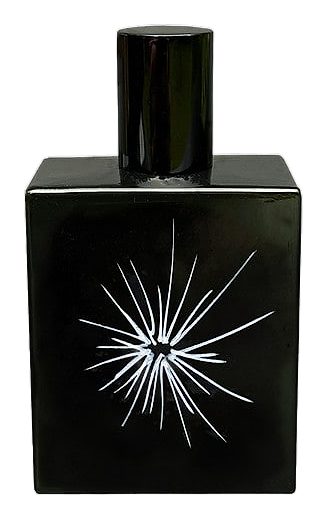
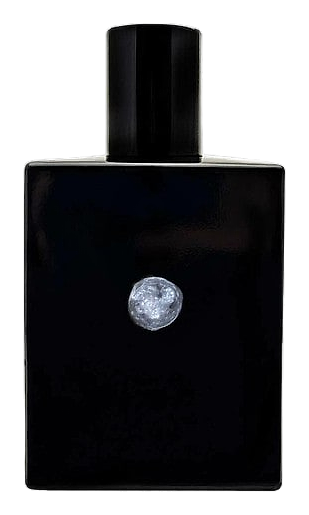
Notable creations
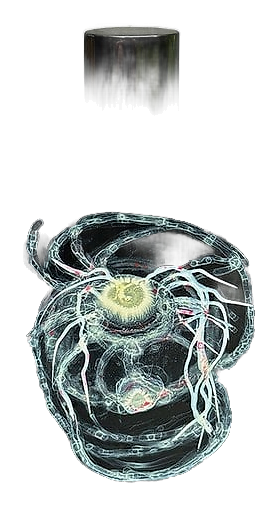
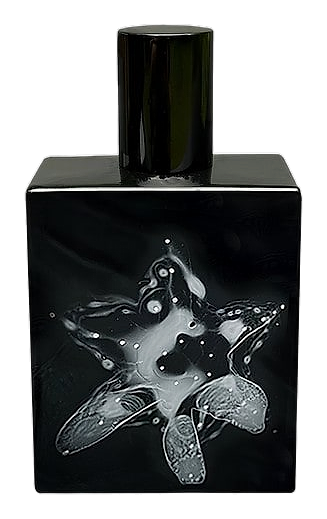
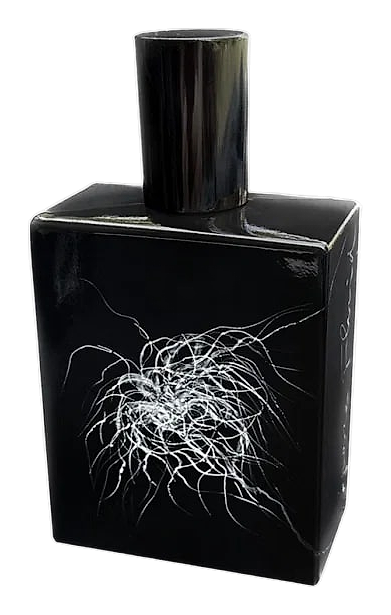
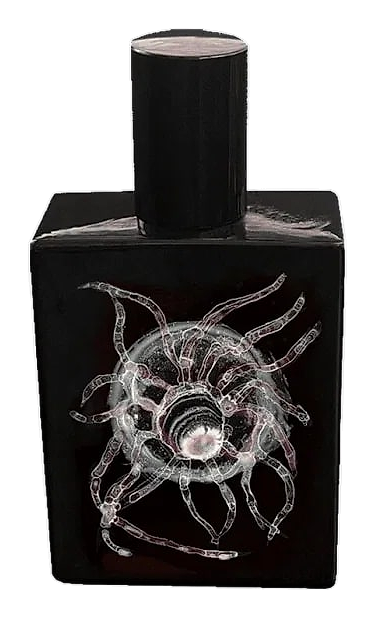
The signature
How Markéta composes
Markéta favors ingredients that evoke texture as much as aroma. She layers creamy vanilla with smoky oud to create depth, then adds a whisper of dried rose petals for a tactile finish. Natural absolutes dominate her toolbox, but she is not afraid to experiment with synthetics that mimic light and shadow. Her signatures include a subtle metallic accord that recalls city rain, and a muted amber that grounds the composition. She builds each fragrance in a minimalist fashion, allowing each note to breathe before adding the next. The result feels like a quiet gallery opening rather than a crowded runway.
Philosophy
What drives Markéta
Markéta treats each bottle as a page in a larger narrative. She believes scent can capture a fleeting emotion the way a paragraph can hold a thought. Her creative process starts with a memory—a street market in Old Town, a midnight train, a brushstroke on canvas. She translates that image into a palette of ingredients, then refines the blend until the aroma reads like a short story. The driving force behind her work is curiosity; she asks what a scent would sound like if it could speak, and then she gives it a voice. This literary‑visual approach keeps her compositions fresh and deeply personal.
The houses