The Story
Why it exists.
The beginning
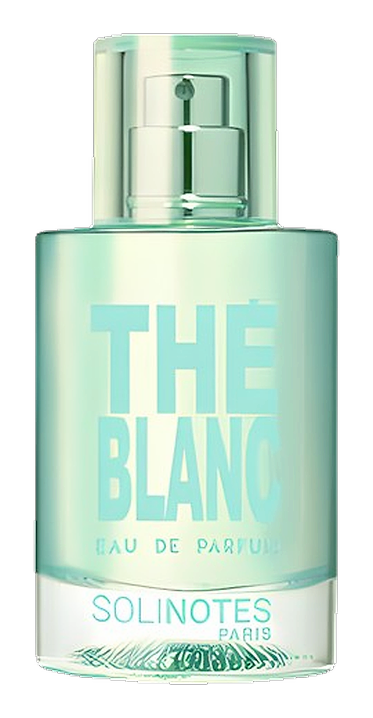
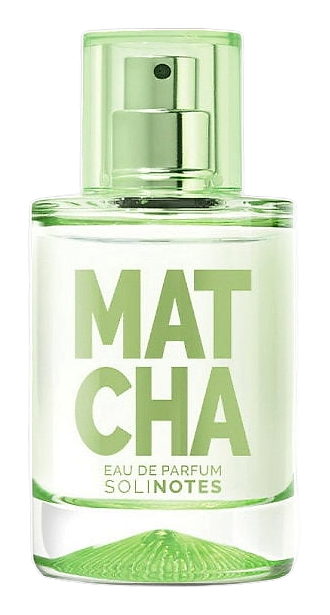
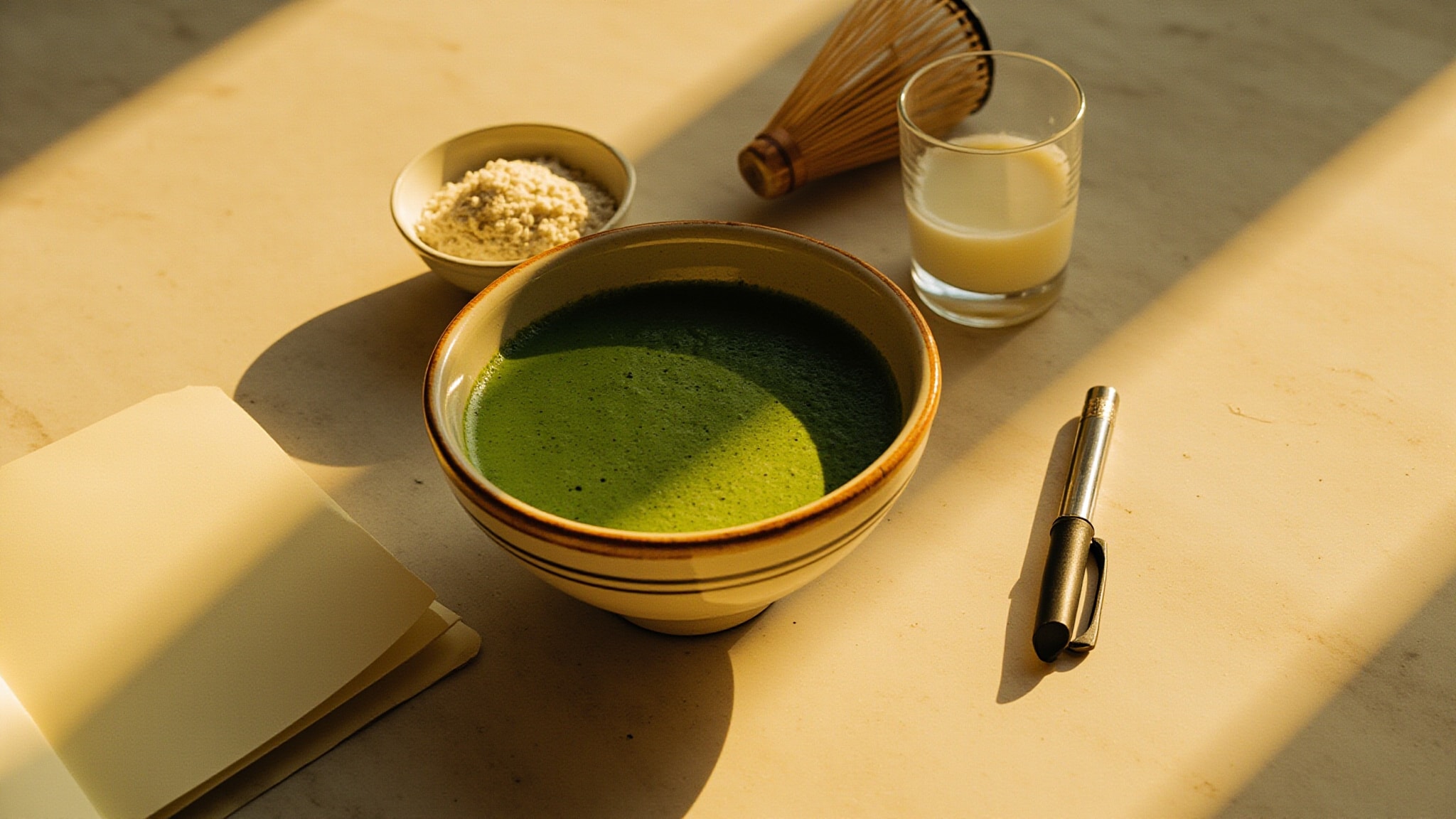
Some notes don't need to shout. Matcha, Solinotes' 2026 release composed by Felix Deschamps, is built around the idea that a single ritual can carry an entire composition. The French house has spent years treating each aromatic idea as its own canvas, and here the brief is simple: translate the quiet ceremony of matcha tea into something wearable. Almond milk opens the door, creamy and pale, softening whatever comes next. Green tea and vanilla fold into each other at the heart, the vegetal bitterness of matcha rounding itself against vanillin's warmth. It's a study in restraint dressed as comfort.
Matcha arrived in 2026 as one of the most quietly composed entries in the Solinotes lineup, a single-note study that lets the green tea ingredient speak with very little orchestration around it. The house chose almond milk rather than water or cream as the supporting accord, giving the composition a soft, slightly nutty warmth that rounds out the sharper edges of the tea leaf. On skin, the opening is unmistakable: a bright, vegetal snap of matcha with that faintly bitter, almost seaweed-adjacent greenness, followed almost immediately by the creamy sweetness of vanilla and sugar.
The evolution
The first half hour is almost entirely almond milk: cool, creamy, slightly nutty, like the first sip of a latte that hasn't been stirred yet. Vanilla arrives quietly underneath, never overtaking, just rounding the edges of the milk. Then the matcha begins to surface, not bitter but present, green and a little grassy, the way real whisked matcha tastes before sugar takes over. By the third hour, the sugar has settled into the base and the composition has tilted warmer. The sandalwood underneath starts to show itself, a faint woody hum that keeps the sweetness from drifting off. Hours later, on a sweater or scarf, what's left is a soft milk-and-sandalwood trace, faint but intact. It doesn't project much after the first two hours, but it stays close, like a memory of the mug rather than the mug itself.
Cultural impact
Matcha arrived in 2026 carrying all the warmth and familiarity of the drink it's named after, translated into wearable form through the addition of vanilla, sugar, and a generous pour of almond milk. The fragrance leans fully into its dessert-gourmand reading, treating matcha less as a bitter, leafy green tea and more as the sweetened, creamy version most people know from cafés and confectionery. The opening is bright and vegetal, with that unmistakable matcha bitterness cutting through, before the vanilla and sugar take over and round everything into something warmer, softer, and distinctly edible.