The Story
Why it exists.
The beginning
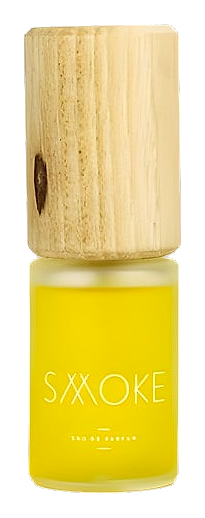
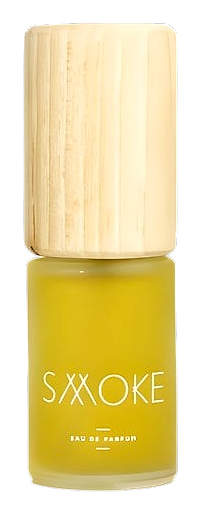
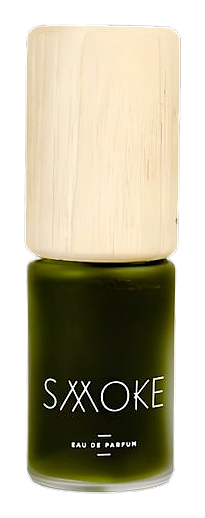
Wellspring is a green floral from Smoke Perfume, a New Orleans house working entirely with natural ingredients, essential oils and absolutes, never synthetics. The name says a lot on its own. A wellspring isn't a well. It's the source, still moving. Kathleen Currie composed Wellspring with a specific sensation in mind, the kind of green that feels alive on skin without ever pushing forward, present the way water rests on a stone, cool, inevitable, unhurried. The brief was less about any single flower and more about the feeling of stepping into damp shade after a long stretch indoors, that hush when everything around you is wet and growing. What Currie built isn't a literal translation of any landscape.
The green in Wellspring comes from petitgrain, the oil distilled from bitter-orange leaves, a material that reads as more plant-stem than citrus, more living twig than ripe fruit. The floral in the heart is ylang-ylang, but not the bright, tropical, almost candy-sweet version that material can sometimes give. Here it arrives candlelit and tempered, closer to warm wax than to a sun-drenched flower.
The evolution
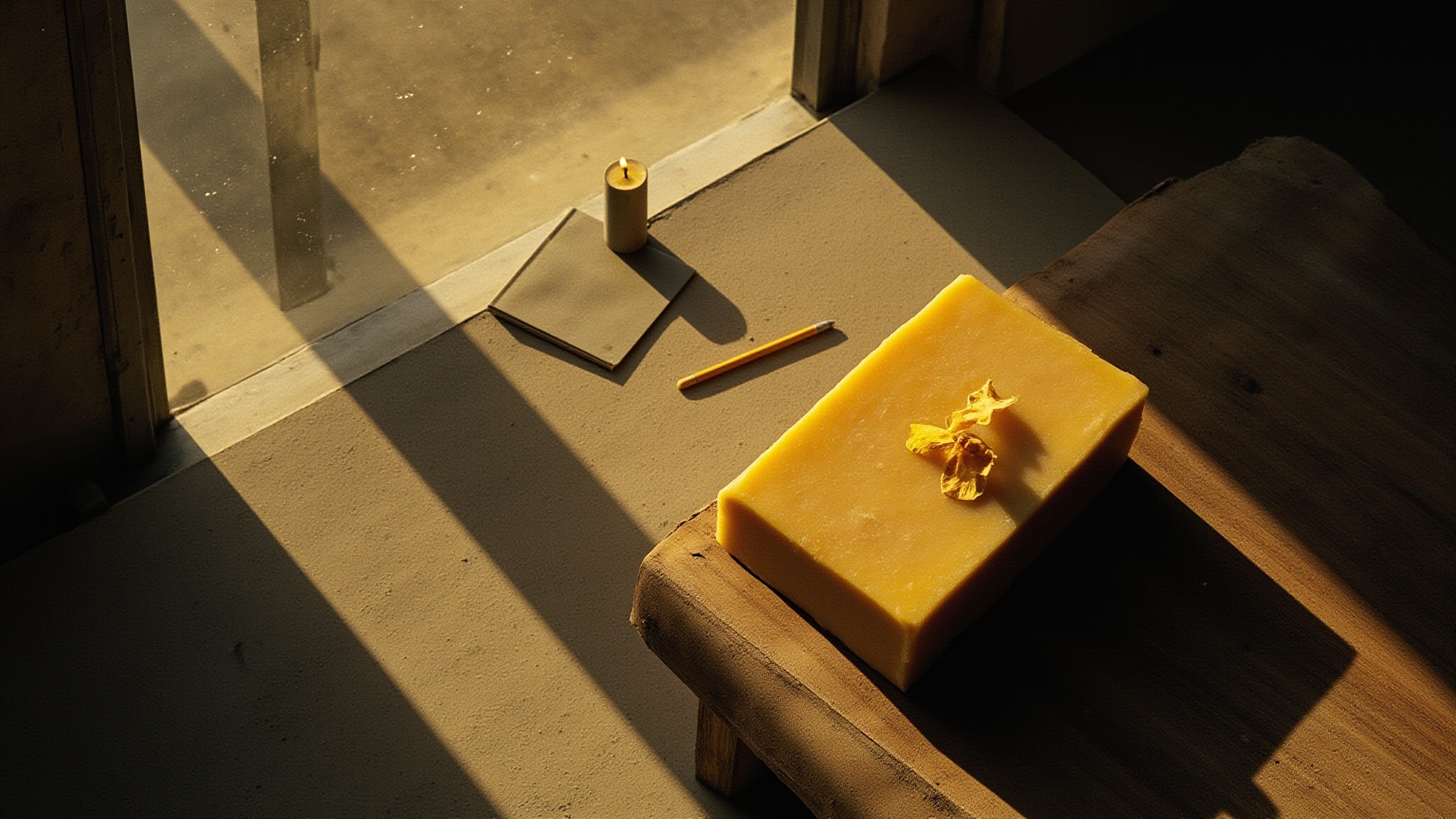
The first five minutes belong to petitgrain, and they're slightly sharp, slightly bitter, the green of crushed leaves between your fingers before the scent itself arrives. The ylang-ylang steps in quietly, not the loud tropical version, more the candlelit one, sweet but tempered, and it brings the beeswax with it, a warm goldenrod color in scent form. By the thirty-minute mark the composition settles into its most characteristic phase: floral, yes, but filtered through wax and a faint dusty cocoa, the way an old book smells when a candle has been burning in the same room. The drydown is where Wellspring earns its name. The cacao deepens, the amber warms up, and the whole thing draws close to the skin, intimate rather than projecting. It doesn't shout. It doesn't fade either.
Cultural impact
Wellspring sits comfortably in the world of natural-perfume composition, a green floral that wears more like an atmosphere than like a statement. Wearers tend to describe it less as a perfume and more as a condition, the kind of scent that shifts how a room feels rather than announcing the person who walked into it. It draws a particular kind of devotion, the kind that comes from people who have tried it once, put it on, and then found themselves going back to it when they needed something steady.