Kathleen Currie
Kathleen Currie built her relationship with scent the slow way, through touch. While studying massage therapy, she encountered aromatherapy and found herself captivated by the way essential oils could shift a room, a body, a mood. She began experimenting with blends, layering natural essences the way she might layer intention into a healing session. That experimentation became a vocation. Over fifteen years, Currie cultivated careers as an herbalist, craniosacral therapist, and breathwork teacher, practices that fed her growing perfume work with a grounding in somatic awareness and plant knowledge. She founded Smoke Perfume as an extension of these intertwined paths, a brand dedicated to atmospheric and elemental compositions that honor the raw materials at their source. Based in New Orleans, she draws on the city's sensory richness: humidity, smoke, ceremony, and ritual inform every formula she touches.
The hits
Notable creations
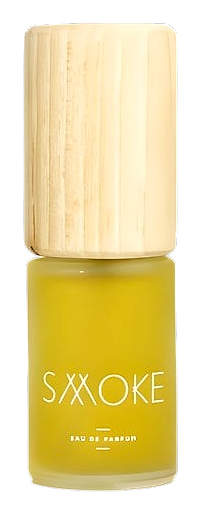
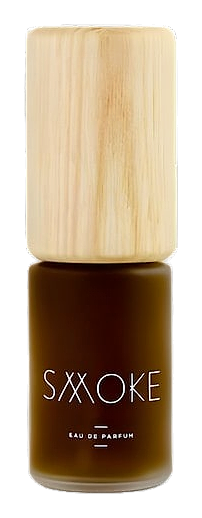
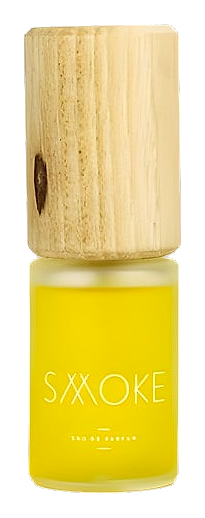
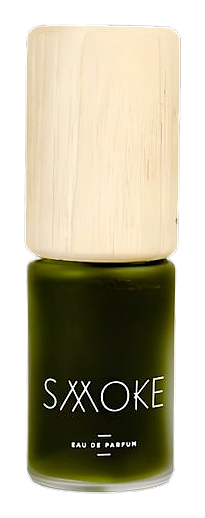
The signature
How Kathleen composes
Currie's signature lies in her commitment to all-natural, hand-crafted formulations. She builds with essential oils, absolutes, and tinctures rather than synthetic aromatics, giving her scents a raw, slightly irregular edge that synthetic compositions cannot replicate. Her catalog gravitates toward atmospheric concepts: smoke, light, ritual, shadow. Compositions tend to unfold slowly, revealing herbal depth beneath brighter openings, often with a smoldering or resinous drydown that lingers like the aftermath of a burned candle. New Orleans permeates her palette, with influences of humid air, botanical density, and spiritual undertone informing her choices. Each creation feels hand-mixed rather than engineered, carrying the unmistakable imprint of botanical intuition.
Philosophy
What drives Kathleen
Currie approaches perfumery as an act of listening. Her training in bodywork and breath practices shapes a creative process rooted in presence, where a fragrance is less an accessory and more an atmosphere one steps into. She works exclusively with natural materials, drawing from herbalism and aromatherapy to construct scents that carry therapeutic intention alongside aesthetic pleasure. For Currie, sustainability is not a marketing checkbox but a material reality: every ingredient earns its place through provenance. She seeks compositions that feel elemental rather than ornamental, bottles that hold something closer to incense or ceremony than to fashion. The result is a body of work that reads as honest, grounded, and quietly transportive.
The houses