The Story
Why it exists.
The beginning
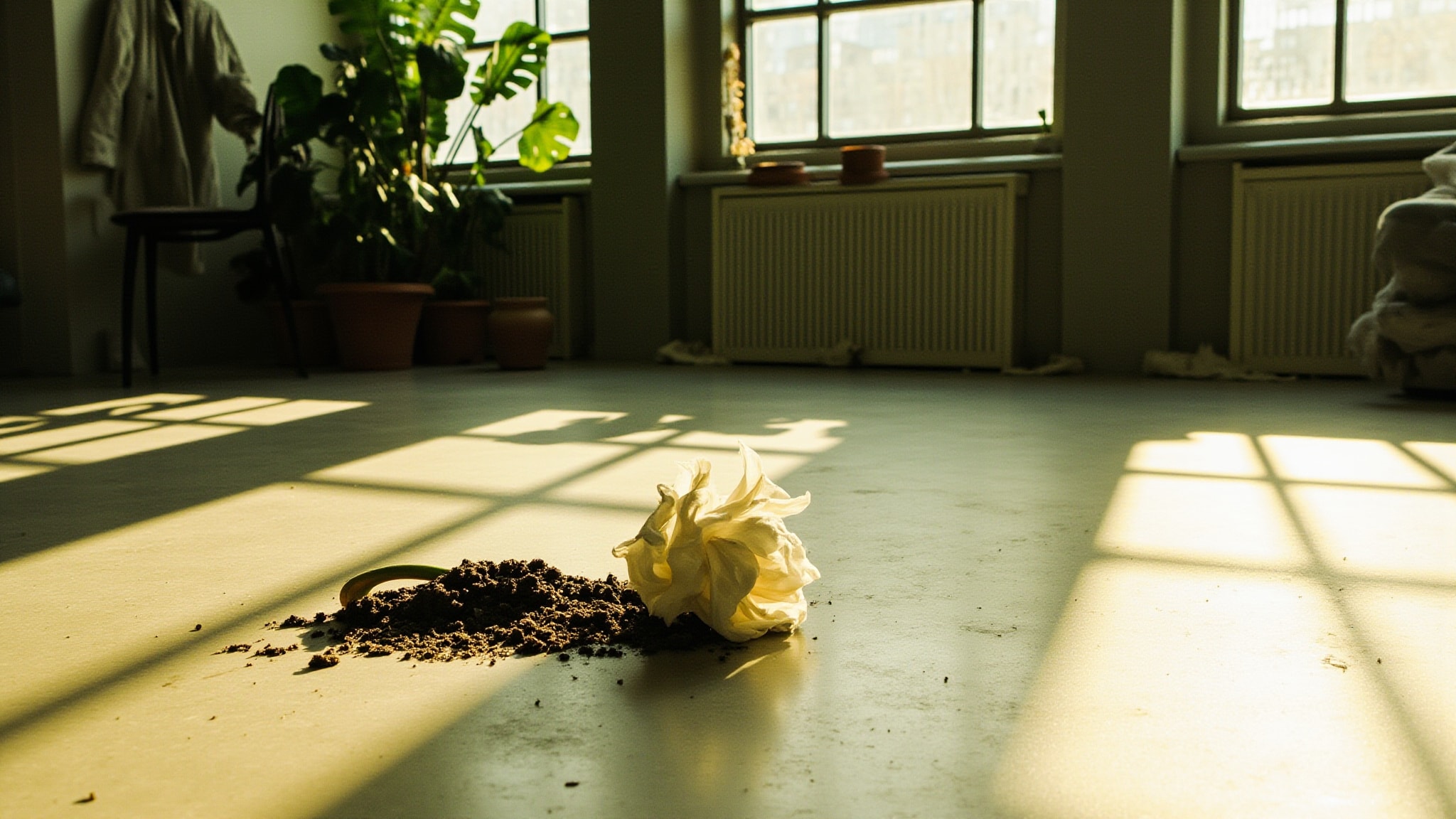
Hot House showed up in 2017, one of Brent Leonesio's Smell Bent experiments in unapologetic single-mindedness. The brand treats each release as a creative brief with a punchline, and this one wears its joke on its sleeve: what does a sealed greenhouse smell like at the peak of summer, when everything is blooming and sweating and starting to turn. Leonesio built the composition around three textures, blossoms, green notes, and soil, and let them argue it out on skin. The green register runs wet and vegetative, the way living things smell when there's no breeze to dilute them. The blossoms sit dense and overripe, pushing past the threshold of pretty into something almost uncomfortable.
The structure is almost defiant in its simplicity. Three notes, no pyramids of cushioning. Blossoms open the door. Green and earthy elements do the heavy lifting through the middle and into the base, blurring the line between floral freshness and garden decay. That ambiguity is where the fragrance earns its tension. Green notes and soil aren't background here. They're co-leads, pulling the blossoms toward something feral, something composted, something alive in a way that clean florals never are.
The evolution
Hot House opens like stepping into a glasshouse at noon. Blossoms arrive first, heady and almost cloying, but they're immediately undercut by something green and wet, crushed stems and sap rather than a polite bouquet. The first thirty minutes are loud, almost overwhelming, the florals still pulsing at full volume while the green notes start to creep in from underneath. By the second hour, the flowers start to sweeten and darken, pulling the soil note forward. The green register grounds everything, keeps it from floating into straight sweetness. Four to six hours in, the blossoms have receded and what's left is earth, damp green, a faint floral ghost. The drydown doesn't fade so much as sink, settling close to the skin like the last breath of a humid afternoon.
Cultural impact
Hot House fits squarely into Smell Bent's catalog of concept-driven experiments, scents that pick a single sensory idea and run with it without smoothing the edges off. The brand rewards wearers who treat fragrance as experience rather than accessory, people who'd rather smell like a place, a mood, a temperature than like a crowd-pleaser. Wearers describe it as polarizing by design: those who love it treat it as olfactory storytelling, a greenhouse they can carry. Those who don't tend to move on quickly. That's the house's whole philosophy. A fragrance should spark curiosity, not consensus.